- 0
- 1,060 word
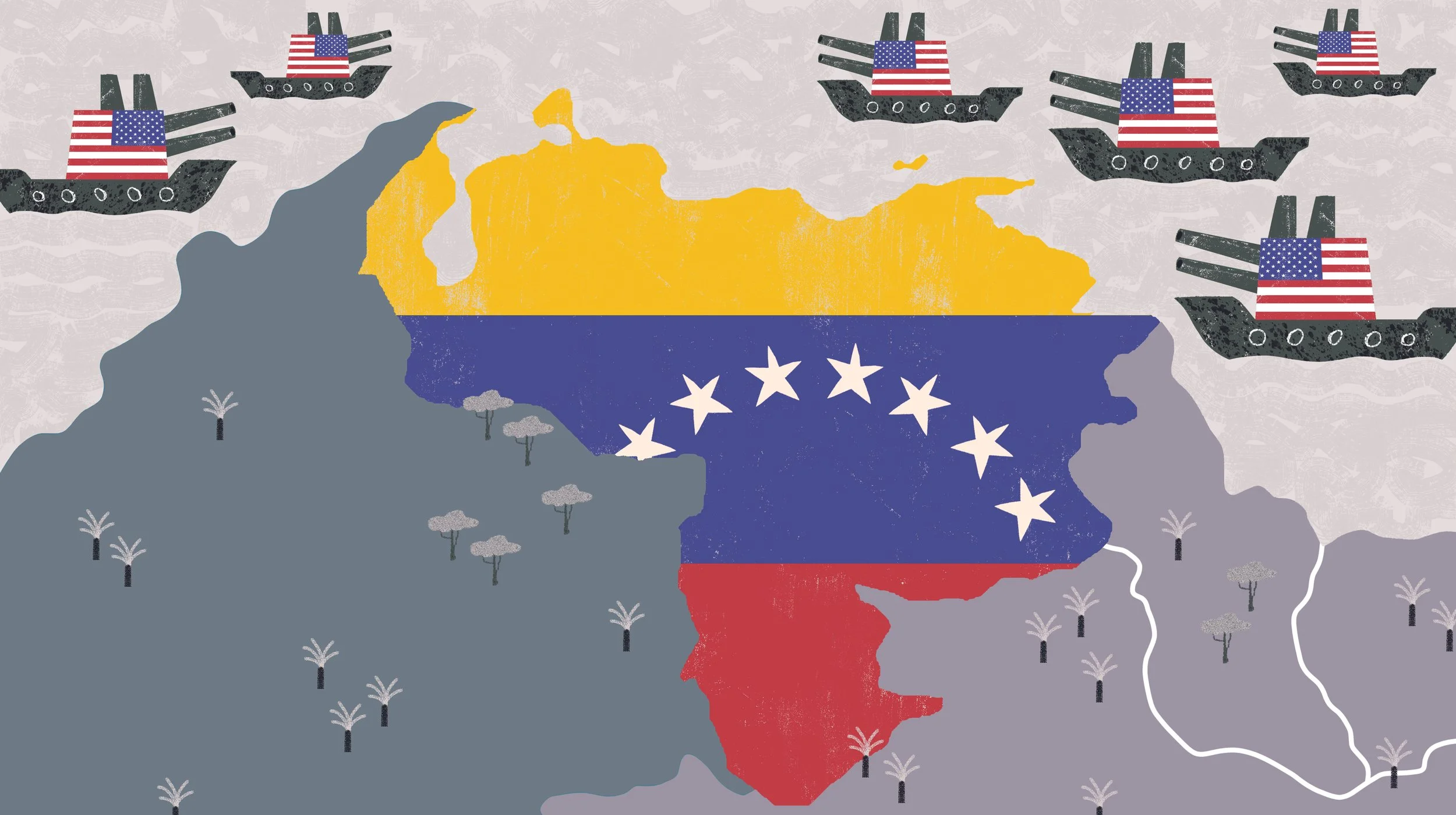
How US Capture of Maduro Crushes Venezuela’s Economy: Shocking Fallout Venezuela, which is one of the most oil-rich nations in the world has been experiencing serious economic, social and political troubles for more than a decade. Internal mismanagement as well as the effects of hyperinflation, declining oil revenues and political instabilities, had already put the country in a fragile state of the economy. However the likelihood of military interference by the United States added a new element of intricacy to the situation, raising questions about how such actions might impact the economy of the nation, both in the near future and over the long term.
This article serves to delve into the multi-dimensional impact that the U.S. military strike will have on the economy of Venezuela through assessment of potential disruptions, structural vulnerabilities, and broader regional and global implications. Read More..

Venezuela’s Economic Vulnerabilities Before Military Intervention
To understand the potential impact of U.S. military strikes then it is crucial to first grasp the structural weaknesses of Venezuela’s economy:
1. Oil Dependence
Venezuela’s economy is heavily reliant on oil with petroleum accounting for nearly 95% of export revenues. Any disruption in oil production or export due to military strikes can immediately impact government revenue, foreign currency reserves and public spending.
2. Hyperinflation
Venezuela has had the highest inflation in the world in the past years with an average of over 1,000,000% in the peak periods. The value of the Venezuelan currency, the Bolivar, had diminished greatly in purchase power; therefore, the country is susceptible to any kind of shock from military attacks affecting the economy leading to increased inflation.
3. Political and Social Instability
Political polarization and governance issues have already weakened investor confidence and reduced private sector activity. Military strikes could amplify fears of instability, triggering capital flight, currency devaluation, and a halt in investment.
Direct Economic Impacts of U.S. Military Strikes
If U.S. military strikes were to occur then the economic impacts would likely be both immediate and severe.
1. Disruption of Oil Production and Exports
The oil industry in Venezuela, from refineries to pipelines and port facilities, could very well be targeted by military operations. Such damage would:
- Reduce oil output, cutting off vital government revenue streams
- Increase global oil prices due to supply uncertainty, potentially leading to short term economic shocks worldwide
- Causes a collapse in foreign exchange inflows, worsening the balance of payments
2. Inflation and Currency Devaluation
Military strikes could trigger panic buying, hoarding, and a spike in demand for scarce goods; the bolívar might become even weaker relative to the U.S. dollar and feed hyperinflation at an even faster clip, further eroding purchasing power.
3. Capital Flight
Investors and wealthy citizens may transfer their funds abroad in anticipation of war and deplete the economy of vital capital. Lessened domestic investment would strike sectors other than oil, such as farming, manufacturing and services.
4. Employment and Productivity Loss
Destruction of infrastructure, transport networks, and businesses can directly reduce employment. Workers may flee conflict zones, reducing productivity and further undermining the economy.
Indirect Economic Effects
1. Humanitarian Costs
Wars are sure to escalate demands for humanitarian aid. Health services, meal distribution, and social services would have to be budgeted for, adding to an already weak budget base.
2. Trade Disruptions
It is a country dependent on imported items in the case of certain basic products such as medicine and food. Strikes and instability inevitably result in difficulties in their supply.
3. Investment Deterrence
Although victory over armies has been attained, investor confidence will take several years to restore. Lack of clarity regarding stability will be a deterrent to foreign direct investment, and this will hamper reconstruction.
4. Regional Economic Impact
Venezuela’s neighbors including Colombia, Brazil and the Caribbean nations could experience spillover effects, such as increased refugee flows, cross border trade disruptions and higher regional oil prices. This could also indirectly feed back into Venezuela’s economy through reduced regional cooperation and aid.
Social and Political Ramifications with Economic Consequences
- Migration Pressure: Many Venezuelians have already migrated because of the economic breakdown. Increasing conflict may lead to migration pressure; therefore, the region may suffer from a labor shortage based on remittances.
- Domestic Market Collapse: A state of instability may cause domestic markets for goods and services to collapse. Services and products would be unavailable. Black markets would emerge.
- Political Instability: Military intervention may result in the empowerment of opposition or create a leadership vacuum that may hinder the healing process.
Global Economic Implications
- Oil Prices: International crude oil may skyrocket.
- Investor Sentiment: Investors could experience higher geopolitical risks in Latin America, which could have an effect on emerging market bonds as well as stocks.
- Investor Sentiment
- Supply Chain Disruptions: Nations that have been dependent on Venezuelan oil imports could see disruptions in their fuel supplies or have to look for other sources of this energy source.
Mitigating Measures for the Venezuelan Economy
- Diversifying the Economy: Reducing dependence on petroleum through the development of the agricultural, tourism, and manufacturing sectors.
- Strengthening Financial Institutions: Bank consolidation, managing inflation, and ensuring the liquidity of the economy.
- International Aid and Cooperation: Collaboration with NGOs and neighboring countries to supply food and medicine. Emergency funds would also be needed.
- Reconstruction Planning:This is the planning involved in the design of plans for the reconstruction of infrastructure and the energy sector, with the purpose of achieving a speedy recovery as well
Conclusion
The potential impact of U.S. military strikes on Venezuela’s economy would be severe, affecting oil production, inflation, employment and social stability. Although the economy in Venezuela is already weak prior to any military intervention, such military actions may even lead to the worsening of the situation that will create short-term as well as long-term problems.
In light of this, it is significant to appreciate the importance of political remedies. While military intervention can present political ends in the short-term, this is immediately coupled with significant economic expense for Venezuela as well as the larger global community.
Finally, if the economic future of Venezuela is to be protected, a complex consideration of the relationships between politics, stability, and economic systems must take place. While the results of a military action can be dramatic, planning and diversification can help protect the future of the nation while rebuilding can take place
Author

zohaibbabar15@gmail.com
Related Posts

Stablecoin Revolution: A New Era for Pakistan’s Remittance Market
- 0
- 969 words
Stablecoin Revolution: A New Era for Pakistan’s Remittance Market. Pakistan has depended on remittances from its overseas workers to provide essential foreign...
Read out all
Rising Heat in the Taiwan Strait as Trump Heads to Beijing
- 0
- 1,046 word
Rising Heat in the Taiwan Strait as Trump Heads to Beijing. Former U.S. President Donald Trump is going to Beijing for an...
Read out all
A Tiny Monkey, A Big Heart: How Punch Won the World’s Love
- 0
- 877 words
A Tiny Monkey, A Big Heart: How Punch Won the World’s Love: In a world where viral trends come and go within...
Read out all
Energy Security Clash: Hungary Stops EU’s Massive Ukraine Aid Package
- 0
- 1,004 word
Energy Security Clash: Hungary Stops EU’s Massive Ukraine Aid Package. The European Union faces a new political crisis because Hungary blocked a...
Read out all
What Happens Now? Next Steps in the Investigation
- 0
- 537 words
(Former Prince Andrew Case Update) What Happens Now? Next Steps in the Investigation: The police arrested Prince Andrew because they suspected him...
Read out all
Nintendo Switch eShop New Games February 19 Europe
- 0
- 650 words
Nintendo Switch eShop New Games February 19 Europe. On the 19th of February 2026, Nintendo brought the European Nintendo eShop up to...
Read out all