


NAGQU, Tibet — A powerful magnitude 7.0 earthquake struck China’s Tibet region late on Thursday night, killing at least 16 people and injuring dozens in the remote Nagqu area, according to official reports cited by major news agencies. The quake hit at 10:33 pm local time, and rescue teams were deployed overnight to reach isolated communities in the high-altitude region.
The tremor’s epicentre was located 191 kilometres east-northeast of Nagqu, the United States Geological Survey said, at a depth of 18 kilometres. China’s Earthquake Networks Center put the depth at 10 kilometres. China’s state broadcaster CCTV described it as the strongest earthquake to strike the region in five years.

Death Toll and Damage
State media and international agencies reported that at least 16 people were killed in the quake. Injury figures varied across early reports: the Associated Press, citing Chinese official media, reported 46 people injured, with 11 of them in critical condition, while other outlets carried estimates ranging from 32 to as many as 65. The numbers remained preliminary as rescue work continued, and authorities had not released a single consolidated casualty count.
In Baqen County in Nagqu City, near the heart of the affected zone, at least 339 homes and 20 livestock sheds collapsed, according to official reports. The region is sparsely populated, with many residents living in traditional dwellings and herding communities scattered across the vast Tibetan plateau.
Communications were cut in parts of the affected area, complicating the response. Railway services were halted, and a section of National Highway 317 — a key route through the region — was closed, according to reports. Snowfall was forecast in the area, raising concerns about conditions for survivors and rescue workers in the thin mountain air.
The Rescue Effort
Chinese authorities launched a large-scale response. More than 1,600 rescue personnel were deployed to the affected areas, and relief supplies were rushed in, including 3,000 tents, 1,000 prefabricated housing units, along with beds, flashlights and winter clothing, according to official reports.
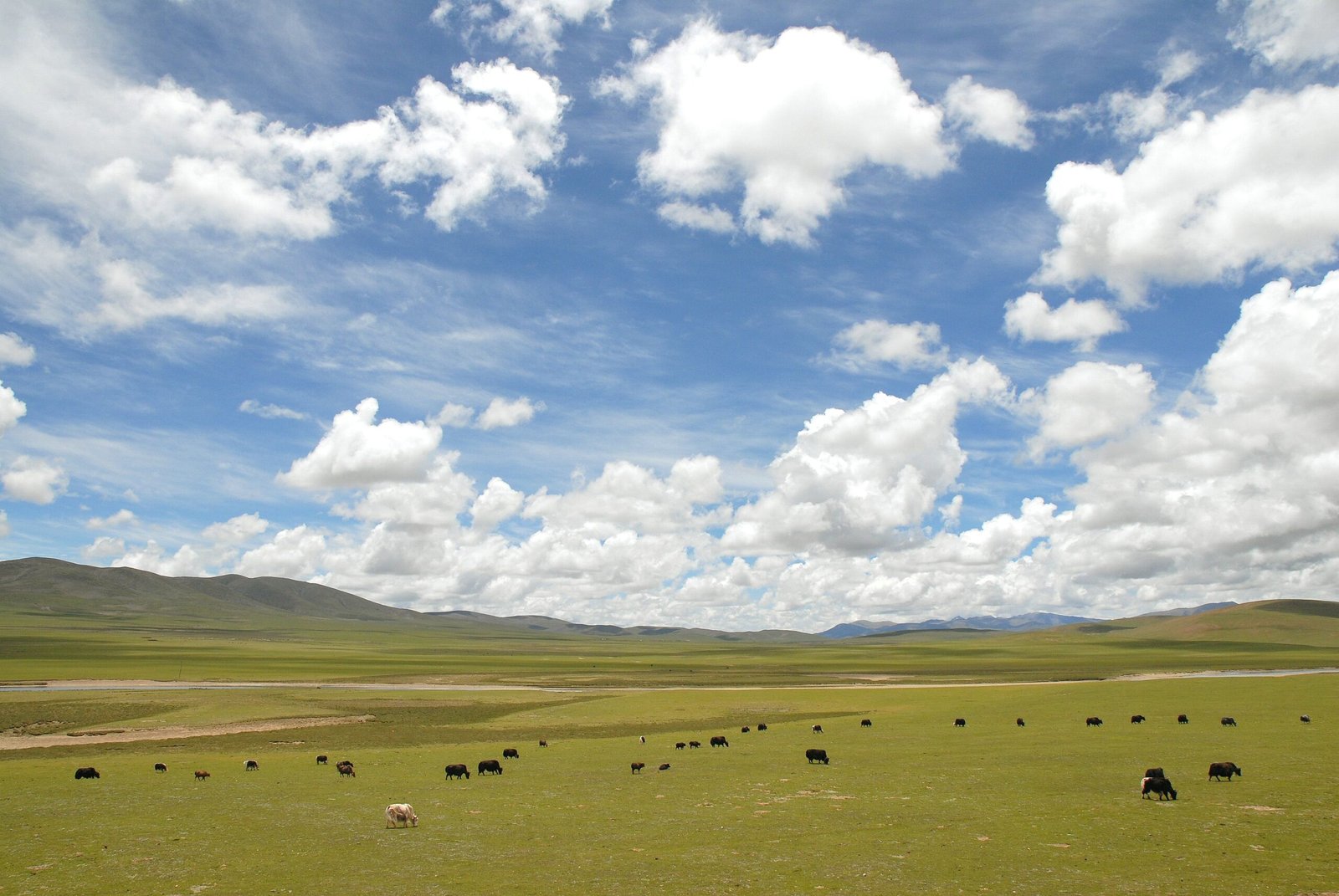
The high altitude and remoteness of the Nagqu region pose serious challenges to the operation. The epicentral area sits on the Tibetan plateau, thousands of metres above sea level, where thin air limits the endurance of rescue teams and heavy equipment is difficult to move. Night-time temperatures in late October drop well below freezing, and with homes destroyed, getting shelter to displaced families quickly is a priority.
Why This Region Shakes
The Tibetan plateau sits at the collision point of the Indian and Eurasian tectonic plates, one of the most seismically active regions in the world. As the Indian plate continues to push northward into the Eurasian plate, the crust beneath Tibet is compressed, faulted and uplifted — the same forces that built the Himalayas and that regularly unleash powerful earthquakes across the region.
This week’s quake is the latest in a series of deadly tremors to strike the Himalayan region in recent years. In January 2025, a powerful earthquake in Tibet’s Tingri area killed at least 126 people, flattening homes across remote communities and drawing international attention to the region’s seismic vulnerability.
Then, in August 2026, the region suffered a different catastrophe: flash floods along the Nepal–Tibet border killed more than 1,400 people, one of the deadliest flood disasters in the region’s modern history.
Scientists note that Tibet’s geography compounds the danger of any single event. Settlements are often far from major cities and medical facilities, building stock in rural areas can be fragile, and extreme weather — from deep winter cold to monsoon rains — can turn the aftermath of a quake or flood into a secondary humanitarian crisis.
The Road Ahead for Survivors
With snowfall expected over the coming days, the immediate focus is on shelter and warmth. The prefabricated housing units and tents sent to the region are intended to give displaced families somewhere safe to stay while officials assess the full scale of the damage. Winter clothing, blankets and heating supplies are being prioritized alongside food and medical care, according to the reported relief manifests.
Authorities will also need to reopen National Highway 317 and restore rail links before heavier supplies can reach the hardest-hit villages. With communications down in parts of the quake zone, officials caution that the casualty figures remain preliminary and could change as teams reach cut-off communities.
What Happens Next
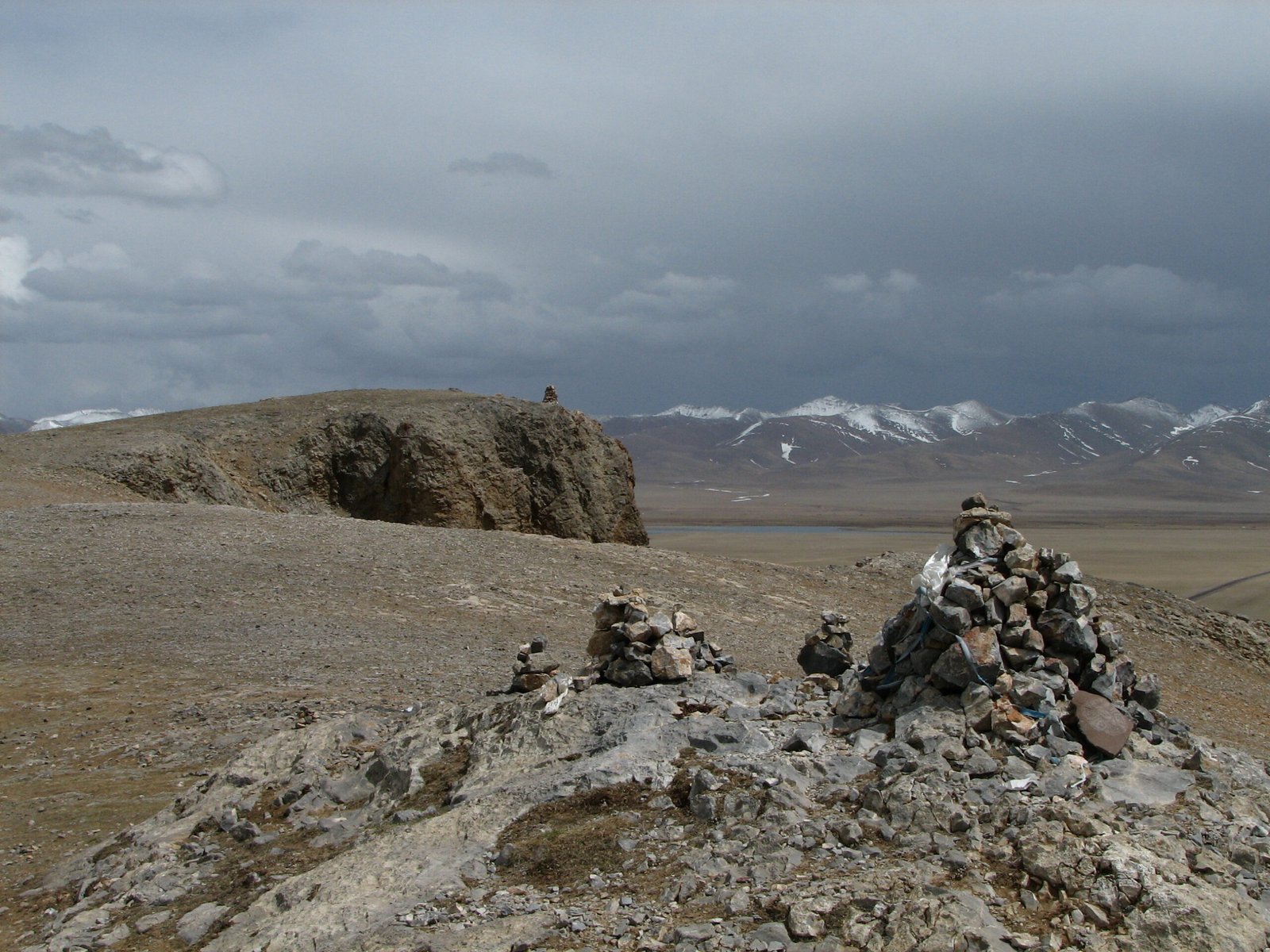
The situation remains developing. Search and rescue operations are continuing around the clock, and the full extent of the damage — and the final casualty toll — will only become clear once teams have reached every affected community.
Residents in the region and their families elsewhere should expect updates from Chinese emergency management authorities as the response progresses. Relief agencies and local governments face the twin tasks of finding survivors and preparing for the onset of winter on the plateau, where temperatures and snowfall can quickly make relief work far more difficult.
This is a developing story. The casualty and damage figures reported here are based on the latest available official reports cited by international news agencies and remain subject to change as rescue operations continue.