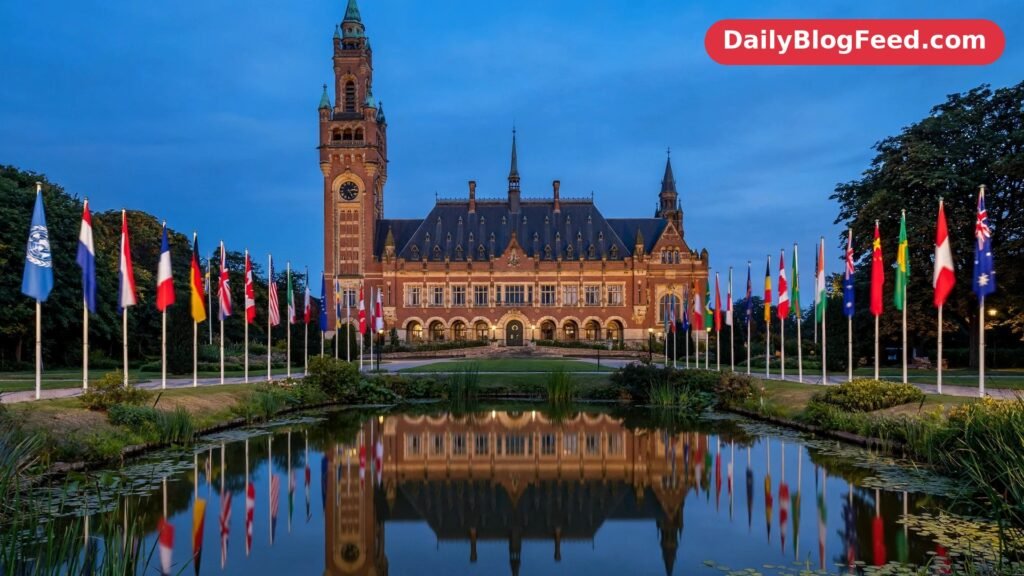

The verdict took three hours to read out. When it ended, the courtroom in The Hague had made history.
On Thursday, November 19, the International Court of Justice ruled that Myanmar committed genocide against its Rohingya minority during the military’s 2017 clearance operations in Rakhine State. Nine of the court’s 15 judges found that the crackdown was carried out with intent to destroy the group, in part. It is the first time in the court’s 80-year history that it has held a state responsible for committing genocide.
What the court actually decided
ICJ President Yuji Iwasawa read the judgment on Thursday. “The Republic of the Union of Myanmar has committed genocide against the Rohingya group in northern Rakhine State,” he said, according to reports from the hearing.
The judges found that Myanmar’s security forces killed thousands of Rohingya in Rakhine State, committed widespread sexual violence, and carried out what the court called “extreme violence against children”. Villages were “systematically destroyed”, the ruling said, then replaced with permanent structures and resettled by non-Rohingya people.
The court also found that high-ranking officials spread anti-Rohingya hate speech that portrayed the group as “subhuman and a violent threat”. And it found that Myanmar knew there was a risk of genocide when armed civilians and allied militias joined the military campaign — and failed to stop it. “Myanmar thus violated its obligation to prevent genocide,” Iwasawa said.
Numbers mattered to the judges. The court estimated that about 10,000 Rohingya were killed in the early stages of the operation, and cited estimates that up to 2,109 children younger than five died. Six judges disagreed, which is why the vote was 9-6 rather than unanimous. But the majority was clear: the only reasonable inference that could explain Myanmar’s actions, the court said, was an intention to destroy a substantial part of the group.
Seven years in the making
The case started small. In November 2019, The Gambia — a small West African nation, itself a Muslim-majority country — took Myanmar to the ICJ, backed by the 57-member Organisation of Islamic Cooperation, arguing that Myanmar had breached the 1948 Genocide Convention, the treaty drawn up after World War II.
Aung San Suu Kyi, then Myanmar’s civilian leader and a Nobel Peace Prize winner, flew to The Hague herself to defend her country. She called The Gambia’s claims “incomplete and misleading”. A few weeks later, in January 2020, the court ordered Myanmar to take emergency measures to prevent genocide — a ruling experts at the time called a stunning rebuke.
Then came the coup. In February 2021, the military overthrew Suu Kyi’s elected government, and the general who had commanded the 2017 crackdown, Min Aung Hlaing, took power. He is now Myanmar’s president after engineered elections, according to Amnesty International.
The case dragged on. Hearings were held in January 2026, and eleven countries — Canada, Denmark, the Netherlands, Germany, the Maldives, the Democratic Republic of the Congo, Slovenia, Ireland, Belgium, France and Britain — applied to support it. On November 3, the court announced it would deliver its judgment on November 19.
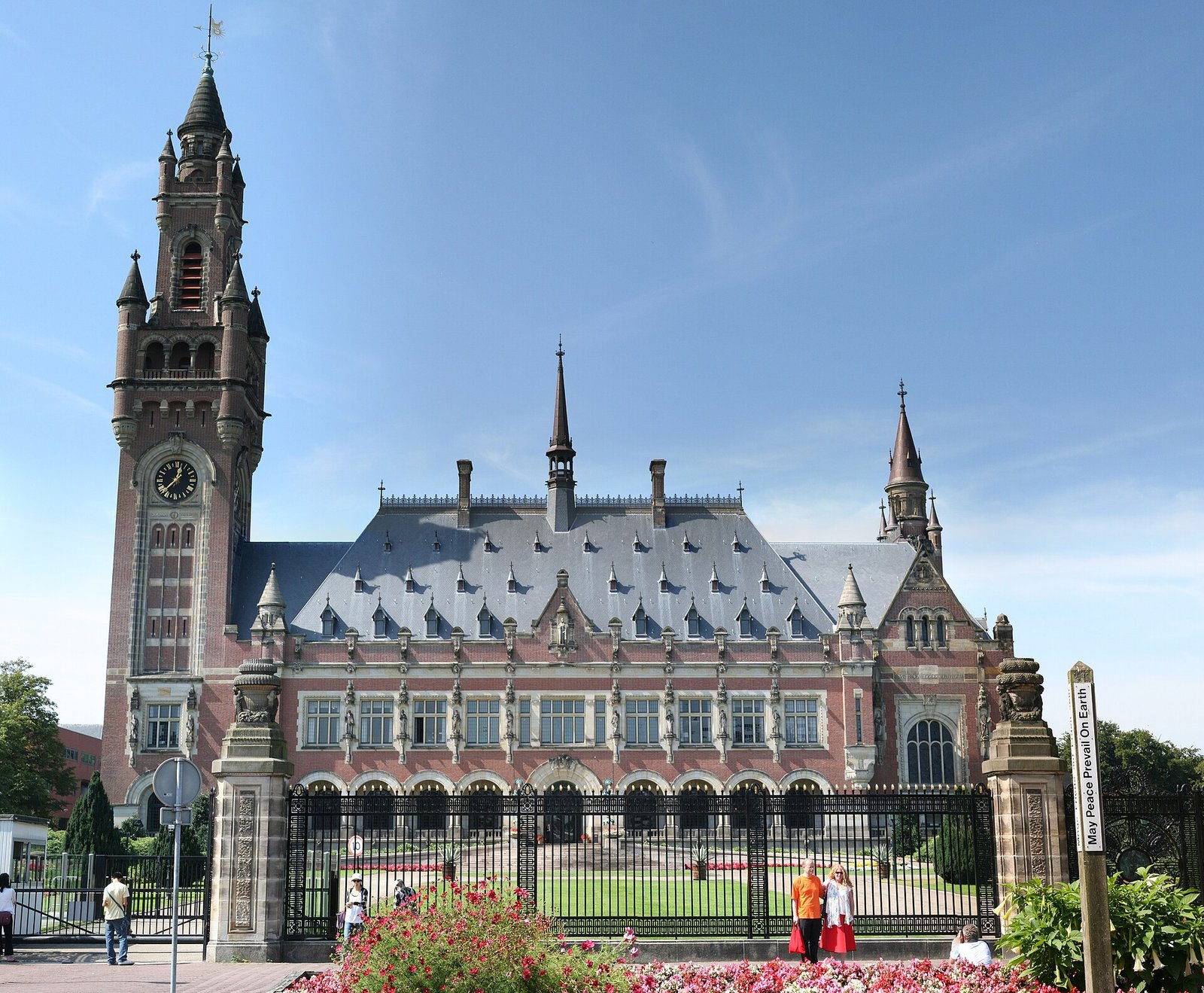
For the Rohingya watching from refugee camps in Bangladesh, the wait has been seven years long. “This is a huge day for the Rohingya people and all people of Myanmar,” said Matthew Smith of the advocacy group Fortify Rights, who stood in the Peace Palace with survivors as the ruling was read out. “People have waited for such a long time for this moment.”
What it means for the people still in the camps
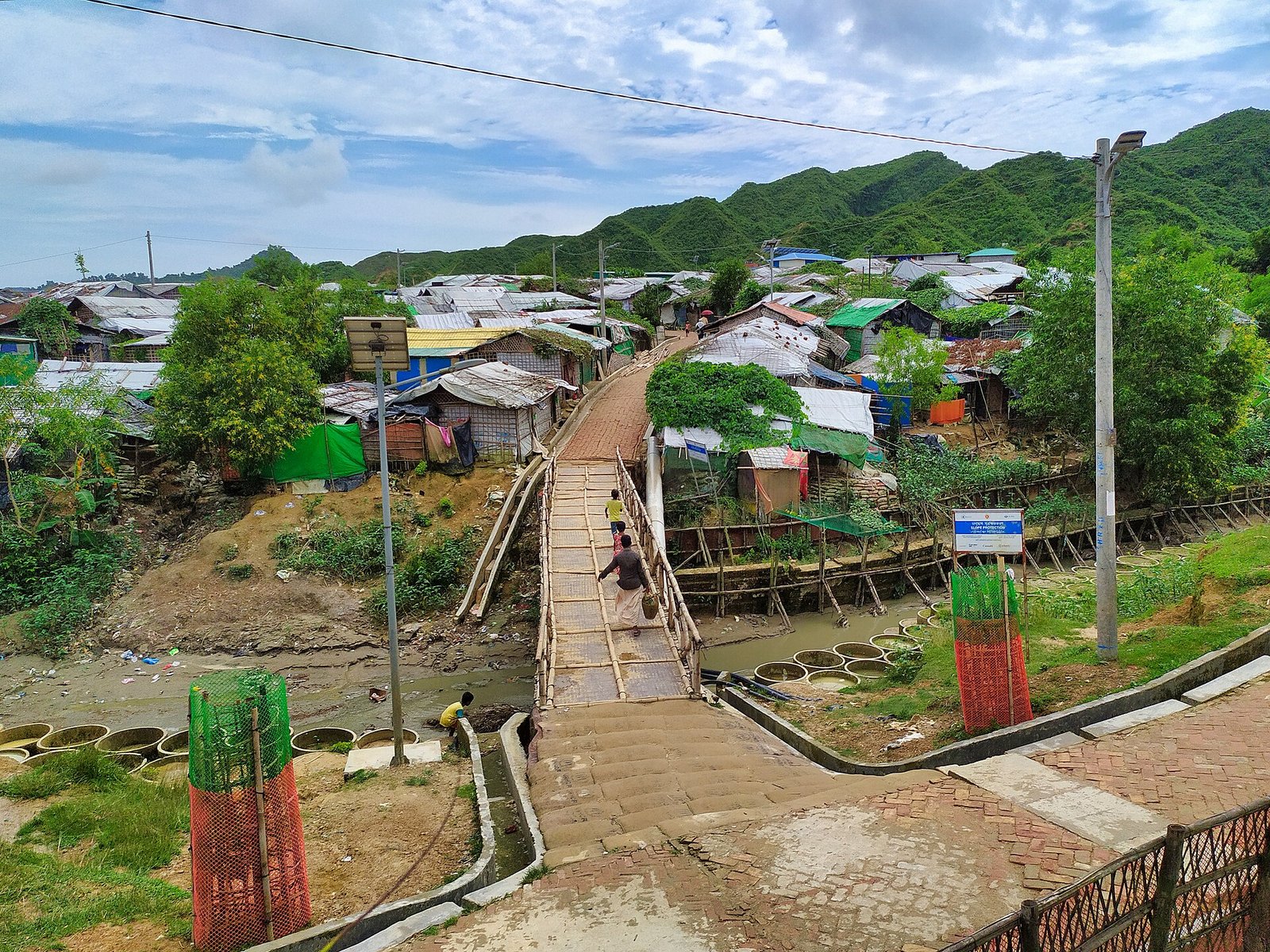
About 1.2 million Rohingya now live in crowded conditions in Cox’s Bazar, Bangladesh, according to Al Jazeera. Around 750,000 fled there in a matter of months in 2017, after the military offensive drove them from their homes. About 520,000 remain in Myanmar under severe restrictions.
The court didn’t just declare genocide. It ordered Myanmar to take concrete steps: cease all acts of violence, investigate the people suspected of responsibility, and prosecute and punish those found guilty. It must provide guarantees that this will never happen again.
Then there’s the part campaigners had pushed for hardest: reparations. The court ordered restitution measures, including allowing and facilitating the safe, voluntary and dignified return of Rohingya to their homes, returning or replacing damaged collective property, helping find the disappeared, and providing physical and psychological rehabilitation for those harmed.
The court said it could not set a compensation figure itself. Instead, it ordered Myanmar to submit a report within two years — by November 2028 — outlining its plan for restitution and compensation.
“This judgement is a landmark victory for the Rohingya people,” said Arsalan Suleman, lead counsel for The Gambia and a partner at the law firm Foley Hoag. “It represents an important step toward accountability and honours the courage and perseverance of the victims and survivors who have spent years seeking justice.”
Amnesty International’s Secretary General Agnes Callamard called it “a rare victory for survivors”. The group’s statement noted that Min Aung Hlaing, “the man who oversaw a campaign of crimes against humanity”, now leads the country.
But the court also drew a line that matters. This case is about the responsibility of a state under the Genocide Convention. It is not about the criminal guilt of individuals — that is a separate question, for a different court. In 2024, the prosecutor at the International Criminal Court requested an arrest warrant for Min Aung Hlaing over alleged crimes against humanity. That process is still separate from Thursday’s ruling.
Why this ruling is different
The Genocide Convention demands proof of a specific intent to destroy a group, in whole or in part. That bar is famously hard to clear, and it is the main reason the court had never found a state guilty of genocide until now. In 2007, the court ruled that Serbia had violated the Convention by failing to prevent or punish genocide at Srebrenica — but it did not find that Serbia itself committed the act. Thursday’s ruling changes that, and lawyers in South Africa’s genocide case against Israel over Gaza will be reading it closely.
There is also the question of what the ruling can actually do. The ICJ has no police force and no way to enforce its decisions. Its rulings are binding, but compliance depends on the state involved — and on pressure from others. The Gambia could now take the case to the United Nations Security Council and ask for action.
That is where the hard reality sets in. Myanmar is in the middle of a civil war that followed the 2021 coup. The fighting has killed an estimated 100,000 people and displaced more than 3.5 million, according to Al Jazeera. In Rakhine State, fighting between the army and the Arakan Army, a rebel group that also targets the Rohingya, has made conditions worse.
What happens next
The immediate focus is Myanmar’s response. Its military-backed government had not responded to the ruling at the time of writing, according to NPR. Myanmar had denied the allegations throughout the case, arguing that its military was forced to respond to armed attacks with its “clearance operations”.
The court has spoken. The two-year clock on Myanmar’s report is now running. Whether anything changes on the ground in Rakhine — whether a single family gets to go home safely — is a question no court in The Hague can answer on its own.
Sources: Al Jazeera, NPR, Amnesty International, UN Independent Investigative Mechanism for Myanmar, Malay Mail.