
Huisrenovatie in Nederland 2026: Alles Wat Je Moet Weten
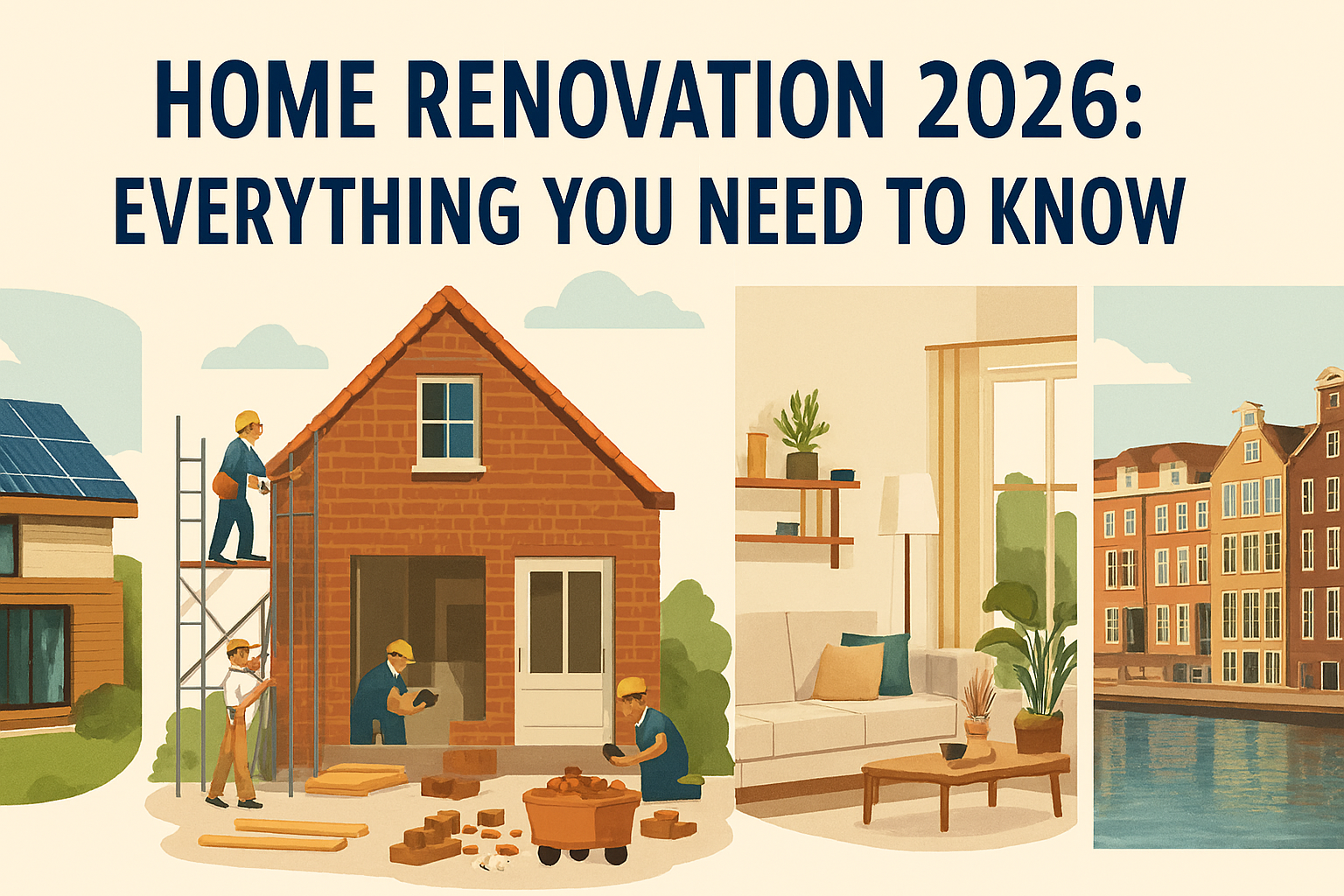
Home Renovation Netherlands 2026: Everything You Need to Know: Home renovation in the Netherlands isn’t just about giving your place a fresh coat of paint it’s a chance to blend historic charm with modern efficiency in one of Europe’s most innovative countries. Whether you are an expat settling into a canal side apartment in Amsterdam or a local upgrading your family home in Rotterdam renovating here comes with its own set of quirks. Think strict building codes a push for sustainability and costs that can make your wallet wince. But done right it can boost your property’s value, cut energy bills and make your space feel truly yours. In this detailed guide we will walk you through everything from planning to finishing touches drawing on the latest trends for 2026. Let’s dive in and turn that renovation dream into reality.
Why Renovate Your Home in the Netherlands?
The Dutch housing market is unique. Many homes date back centuries especially in cities like Utrecht or The Hague where narrow townhouses and gabled facades are the norm. These older properties often need updates to meet today’s standards for insulation energy efficiency and modern living. Renovation isn’t just cosmetic it’s practical. With rising energy prices and government incentives for green upgrades many homeowners are focusing on eco friendly changes that pay off long term.
For expats renovation can feel daunting. You might be dealing with unfamiliar regulations or language barriers but it’s worth it. A well renovated home can increase its value by 10-20%, especially if you add features like solar panels or smart home tech. Plus in a country where space is at a premium clever renovations can make even small apartments feel spacious and functional. Think about it why settle for drafty windows when you could have triple glazed ones that keep the North Sea chill at bay? READ MORE
Planning Your Renovation Project: Where to Start
Before you even think about starting renovations careful planning makes all the difference. Take time to walk through your home room by room and honestly assess what needs attention. Notice what feels outdated what no longer works and where everyday comfort could be improved. Maybe the kitchen feels tired or the bathroom struggles with ventilation in the humid Dutch climate. Write everything down then focus first on essentials such as structural repairs or safety issues before moving on to design upgrades.
Once you have a clear picture define your purpose. Are you renovating to make daily life more comfortable to increase resale value or to create a more energy efficient home? In the Netherlands sustainability plays a major role so it’s worth considering better insulation energy efficient appliances or upgrades that help your home reach a higher energy label. These choices can lower long term energy costs and may even make you eligible for government incentives like the ISDE scheme.
It’s also important to involve everyone who lives in the home from the start. Talk openly about budgets, timelines and how daily routines may be affected. Renovations often take longer than expected so planning ahead for noise, dust or temporary living arrangements can reduce stress. Visual tools such as mood boards, Pinterest or Houzz can help turn ideas into a clear direction allowing you to combine clean Dutch design with your own personal style.

Navigating Permits and Building Regulations
Ah, the bureaucracy—the Netherlands wouldn’t be the Netherlands without it. Most renovations require permits, especially if you’re altering the structure, facade, or adding extensions. For minor work like painting or new flooring, you might not need one, but check the Omgevingsloket online portal to be sure.
For bigger projects, you’ll likely need an omgevingsvergunning (environmental permit). This covers building, demolition, and even tree removal in some cases. Expect to submit detailed plans, including drawings from an architect. Fees vary, but budget €500-€2,000 for permits alone. Delays are common, so apply early—processing can take 8-26 weeks.
Sustainability rules are strict too. New builds and major renovations must meet BENG standards (Bijna Energieneutrale Gebouwen), focusing on energy neutrality. If your home is in a protected heritage area, like Amsterdam’s UNESCO-listed canals, extra approvals from the municipality are needed to preserve historical features. Hiring a local architect or consultant can save headaches here—they know the ins and outs of Dutch regs.
Budgeting and Costs: What to Expect in 2026
Renovation costs in the Netherlands are on the higher side thanks to labor shortages, material prices and taxes. As of 2026 expect to pay €500-€1,200 per square meter for standard residential projects. For a full home overhaul that could mean €50,000-€150,000 for a 100m² house depending on scope.
Break it down: General renovations like kitchens or bathrooms run €300-€1,300/m² while structural work hits €850-€1,800/m². Labor is pricey craftsmen charge €40-€60/hour. Add 21% VAT on most services though reduced rates apply for energy saving measures.
To budget smartly, factor in a 10-20% contingency for surprises like hidden rot in old beams. Shop around for materials places like Gamma or Praxis offer deals but for eco-options check specialized suppliers. Financing? Banks offer renovation loans or tap into your mortgage if equity allows. Subsidies for green renos can offset costs up to €10,000 for insulation or heat pumps. Track expenses with apps like Money Manager to avoid overruns. READ MORE
Popular Renovation Trends in the Netherlands for 2026
Dutch design is evolving blending tradition with innovation. Sustainability tops the list: expect more homes using recycled materials, solar-integrated roofs and green walls. Eco-friendly paints and insulation from natural fibers like hemp are gaining traction.
Open living spaces are huge especially in compact Dutch homes. Knock down walls for seamless kitchen living areas with continuous flooring like herringbone wood patterns for that airy feel. Warm earthy tones terracotta sand beige olive are trending for exteriors and interiors nodding to nature.
Heritage maximalism is making a comeback mixing bold patterns with historical elements. Think Delft tiles in kitchens or bathrooms these hand-painted beauties are hot for 2026 adding character without overwhelming. Statement lighting like sculptural fixtures and hidden spaces (think pocket doors or built in storage) keep things functional yet stylish.
Rustic modern vibes blend cozy woods with sleek metals, perfect for Dutch winters. Flooring trends lean toward antique look tiles or palladiana terrazzo for a timeless appeal. And don’t forget smart tech integrated systems for lighting, heating and security are becoming standard controlled via apps for that effortless Dutch efficiency.
Hiring Professionals vs. DIY: Making the Right Choice
In the Netherlands DIY is popular for small jobs painting assembling furniture but for anything structural pros are a must. Licensed contractors ensure compliance with safety standards and their work comes with guarantees.
When hiring, get quotes from at least three firms. Check reviews on sites like Werkspot or ask for references. Look for VCA certified companies for safety assurance. Expats consider English-speaking firms in expat hubs like The Hague.
DIY can save money but weigh the risks. Tools are easy to rent from Boels and YouTube tutorials abound but botched jobs mean costly fixes. For electrics or plumbing always call a pro Dutch laws require certified installers for gas and wiring.
The Step-by-Step Renovation Process
- Design Phase: Sketch plans consult an architect if needed. Use software like SketchUp for 3D models.
- Permitting: Submit applications and wait for approval.
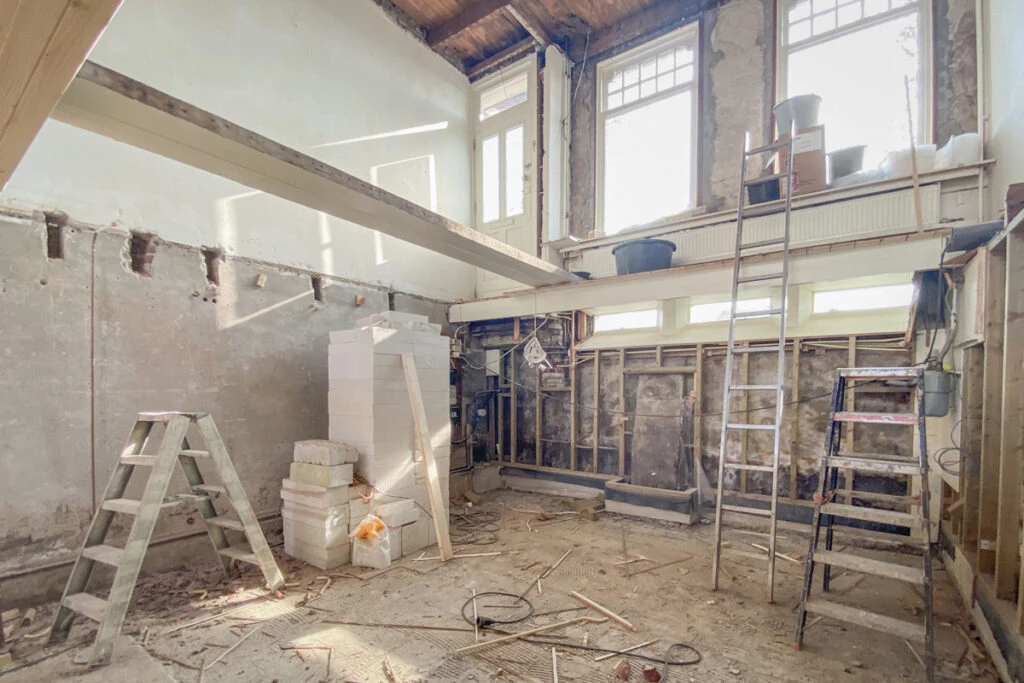
- Demolition: Clear out old fixtures safely recycling where possible.
- Structural Work: Reinforce foundations add extensions.
- Utilities: Update plumbing electrics heating go for heat pumps for efficiency.
- Finishes: Install flooring walls kitchens. Opt for durable low maintenance materials.
- Final Touches: Paint, decorate add smart features.
- Inspection: Get municipal sign off.
Timelines vary: a kitchen redo might take 2-4 weeks a full house 3-6 months. Communicate weekly with your team to stay on track.
Common Challenges and How to Overcome Them
Renovations aren’t smooth sailing. Weather delays are common rainy Dutch days can halt outdoor work. Solution: Schedule for spring/summer.
Budget overruns? Stick to your plan and avoid scope creep. Neighbor disputes in dense areas? Notify them early about noise.
Sustainability hiccups? Source materials locally to cut transport emissions. And for heritage homes balance preservation with modernity consult experts to avoid fines.
Wrapping Up: Your Path to a Dream Dutch Home
Renovating in the Netherlands is an investment in your lifestyle and the planet. With careful planning a solid budget and an eye on trends like sustainable designs and warm palettes you’ll create a space that’s efficient, beautiful and valuable. Remember, it’s not about perfectionist’s about making your home work for you. If you’re ready to start reach out to local pros and dive in. Your renovated Dutch haven awaits!