1. Middle East Tensions Remain High
World at War in 2026: Major Conflicts and Tensions, Instability is still a reality for the whole Middle East. Israel and Iran have come perilously close to a military conflict. Gulf States such as Saudi Arabia, Qatar, Turkey, and Oman have urged that the US not attack Iran through air strikes. Unfortunately, they had a hand in a moratorium on US military strikes against Iran in January 2026. Saudi Arabia has refused access to its airspace for military strikes. Iran’s foreign minister has jetted to a number of capitals to ease tension while encouraging diplomatic talks. Gulf States have made limited efforts to damp down military conflict while being strongly opposed to Iran’s funding of armed proxies. Iran has also attracted more concern for its whole region through a failed Israeli air strike attempt at its Qatar location on Hamas. Read More..
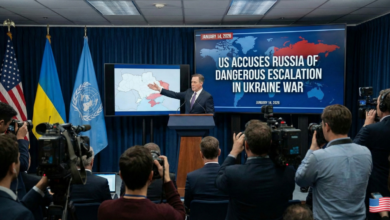
These statements were made by Vladimir Putin. Vladimir Putin is currently the president of Russia. Vladimir Putin was speaking during the discussion of global security. He argued that the world has become more dangerous than during the Cold War, when Russia faced threats, unless Europe develops a new safety framework. Vladimir Putin has identified one of the dangers as increasing long-term conflicts.
In Iran, protests have surged due to the economic downturn and currency collapse. Young people, women, students, and merchants lead the demonstrations, involving nearly all segments of society. The repression against the protests has resulted in the loss of thousands of lives and many others are in custody.
2. Gaza, Sudan, Ukraine and Beyond — A World Shaped by War
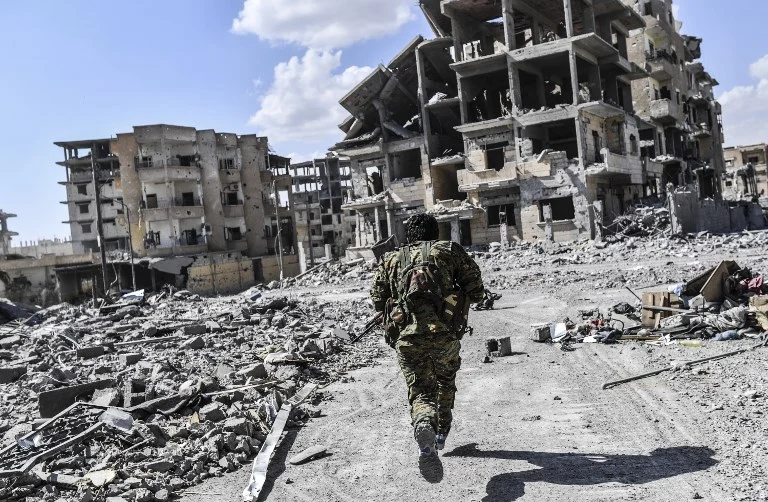
It was last year when there were record levels of conflict around the world. The fighting in countries such as Gaza, Sudan, and Ukraine topped the list in terms of publicity in 2025. The laws relating to human rights and the welfare of civilians in countries with ongoing conflicts deteriorated rapidly.
There have been ever-unfolding dynamics between ceasefires and fighting in the Gaza war. Displacement, infrastructure damage, and military attacks have continued to impact Gaza. The spillover effect of the war brought certain actors from the region.
In Sudan, the civil war has led to displacement, famine, and health system failures. In Ukraine, the conflict ranks as the deadliest conflict in Eastern Europe since World War II, with frequent attacks by missiles that target civilian and strategic sites.
3. Global Conflict Pattern in 2026
Experts identify multiple conflicts in the Middle East involving war. There is a civil war in Africa, and between Europe and Russia. These are the sources of the difficult security situation today in the world. It appears that most of the conflicts arise from divergent national interests.
Conclusion: A Fragmented Global Security Landscape
The world is currently experiencing constant levels of violence on several fronts. Large conflicts rage in the Middle East, Eastern Europe, and Africa, while fresh conflicts arise from protests, economic conditions, and shifting allegiances. Diplomats negotiate behind the scenes while international superpowers navigate a tightrope to prevent escalation.