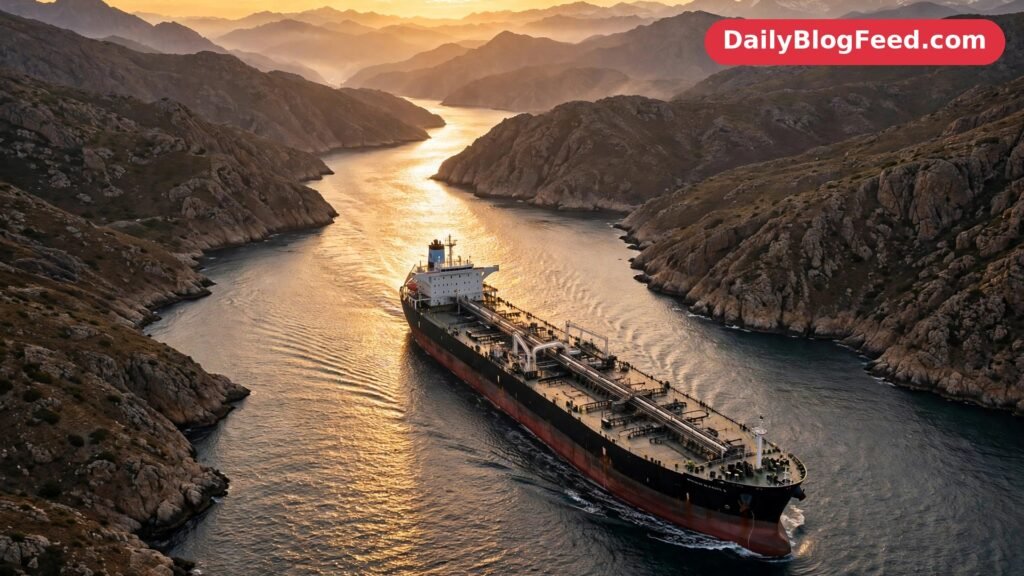

A supertanker caught fire after striking a sea mine south of the Strait of Hormuz, Iran’s Revolutionary Guards Navy said on Tuesday, according to Iranian media reported by Reuters, in the latest attack on shipping that pushed Brent crude above $109 a barrel on Wednesday and renewed concern about Gulf oil supplies.
Brent crude futures rose 85 cents, or 0.78 percent, to $109.64 a barrel early on Wednesday, according to Reuters, while United States West Texas Intermediate crude rose 76 cents, or 0.78 percent, to $98.58 a barrel. A day earlier Brent had settled at $108.79, after touching a five-month high of $111.99, showing how quickly prices move on headlines from the region.
The Revolutionary Guards Navy said the supertanker had been violating Iranian regulations when it struck the mine, according to Reuters. That is an Iranian claim reported by Reuters and, via Iranian state media, by Bloomberg; neither report identified the vessel or gave a precise time, and neither independently confirmed the incident. The situation is still developing, and details of individual incidents remain limited and sometimes conflicting.
Shipping data gives a clearer picture of the scale. Ship tracker Kpler said on Monday there had been at least 18 vessel attacks reported over two weeks, according to Reuters. Earlier in October, Reuters reported the United Kingdom Maritime Trade Operations agency, known as UKMTO, counted 12 reported attacks around Hormuz in one week, a record since the conflict began, and warned the true number may be higher.
Attacks Spread Beyond the Strait
The concern for markets is not one incident, but a widening pattern. Analysts at LSEG said in a note cited by Reuters that attacks have expanded beyond the strait itself. “Attacks on tankers have expanded beyond the Strait of Hormuz,” LSEG analysts said in the note. In their assessment, cited by Reuters, vessels have been targeted as far south as the Gulf of Oman, threatening loadings outside the Gulf and the ship-to-ship transfers that have helped support loadings during the conflict.
Ship-to-ship transfers, where cargo moves from one vessel to another at sea, are an important workaround for producers and traders. If they are also at risk, it becomes harder and more expensive to move crude even when oil is still produced and loaded.
Earlier incidents show the range of risks. UKMTO said earlier in October, according to Reuters, that a tanker north of Qatar was struck by multiple projectiles and that casualties were reported; no figure was given in that report. In another incident UKMTO reported, a tanker was struck by a drone near the Sohar anchorage in Oman, while a second vessel was damaged by an unknown projectile transiting Hormuz.
Despite the risks, oil has continued to move. Reuters reported Gulf producers and owners have kept sailing, including in convoys close to the Omani coastline under United States naval protection, and through a northern route where movements are less transparent. Kpler data cited by Reuters showed Middle East exports averaging 17.3 million barrels per day so far in October, up from 16.4 million in September, even as Hormuz flows remained below pre-war levels at around 11 million to 11.7 million barrels per day.
That resilience helps explain why prices do not rise without interruption. Prices fell back on Tuesday after Iran’s president discussed mediation in a meeting with Pakistan’s army chief in Tehran, according to Reuters. When attacks are reported again, the risk premium returns.
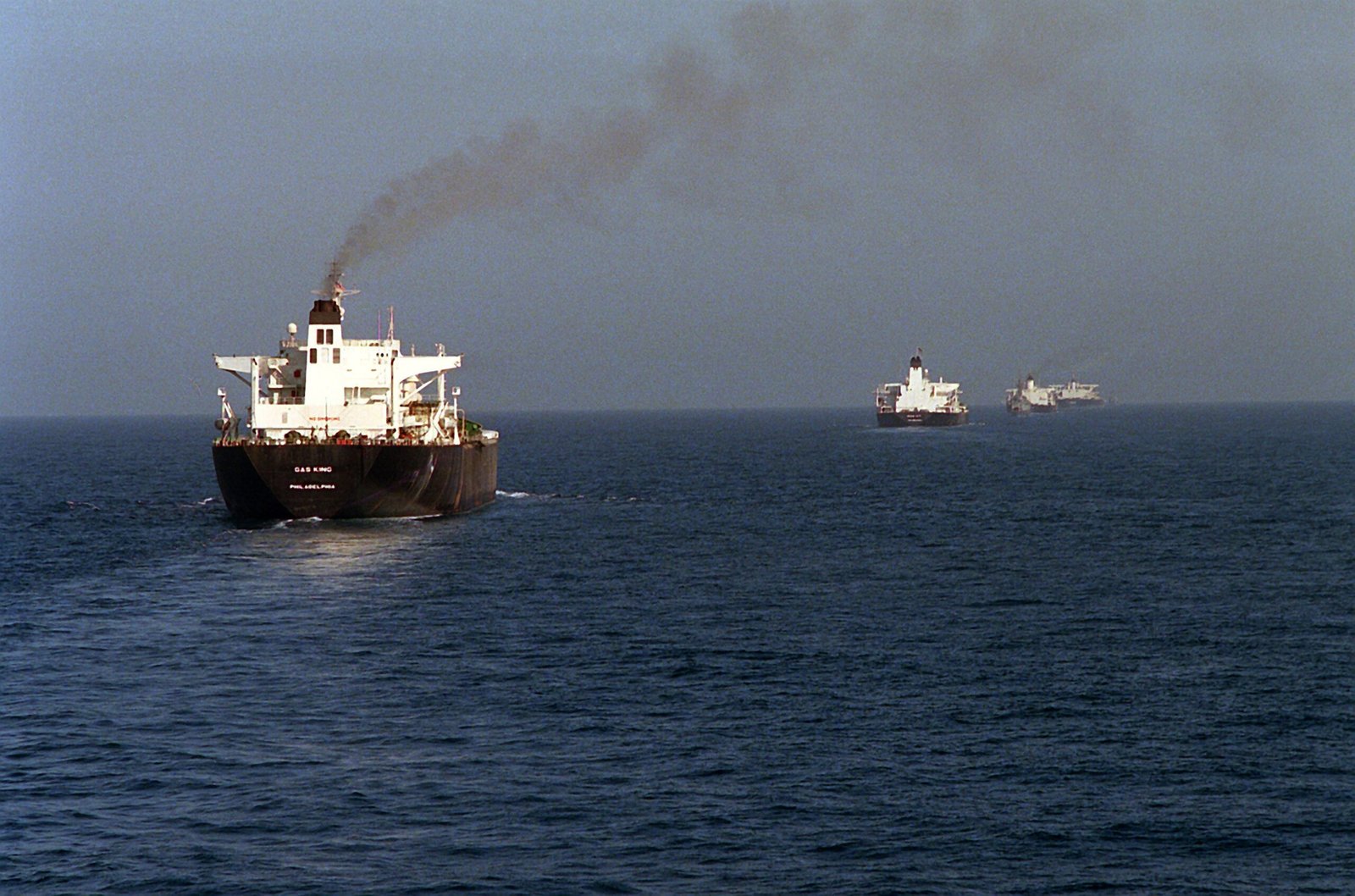
Why Hormuz Matters for Oil Markets
The Strait of Hormuz is a narrow waterway between Iran and Oman connecting the Gulf to the Gulf of Oman. Before the current conflict, which Reuters says began with United States and Israeli strikes on Iran on February 28 and is now in its eighth month, the strait carried shipments equal to about 20 percent of global oil and fuel, plus a significant share of liquefied natural gas. Saudi Arabia, the United Arab Emirates, Kuwait, Qatar and Iraq depend heavily on routes in or near the strait to reach buyers, particularly in Asia.
Because so much supply passes through a narrow corridor, even a partial slowdown affects prices far beyond the region. Asian refiners buy most Middle East oil, and Reuters reported soaring shipping and insurance costs are squeezing their margins. Freight rates for the largest tankers reached record highs earlier in October before easing slightly, according to Baltic Exchange data cited by Reuters.
Higher crude prices also feed into diesel and jet fuel costs. The International Energy Agency agreed earlier in October to accelerate a release of oil stocks and prioritise diesel under a plan launched in March, according to Reuters, as governments sought to address high fuel prices. United States officials said on Tuesday they were working with refiners worldwide to boost fuel output as a diesel shortage raised prices. A Reuters poll also estimated United States crude inventories fell by about 800,000 barrels in the week ended October 16.
Regional fighting added to uncertainty. The Houthis on Monday claimed responsibility for attacks on a Saudi Aramco site in Yanbu, the Shaybah oilfield and Saudi Arabia’s Riyadh and Abha airports, according to Reuters. Iranian Foreign Minister Abbas Araqchi said on Tuesday Iran had not received a response from Saudi Arabia or Yemen’s Houthis to its offer to help broker peace talks.
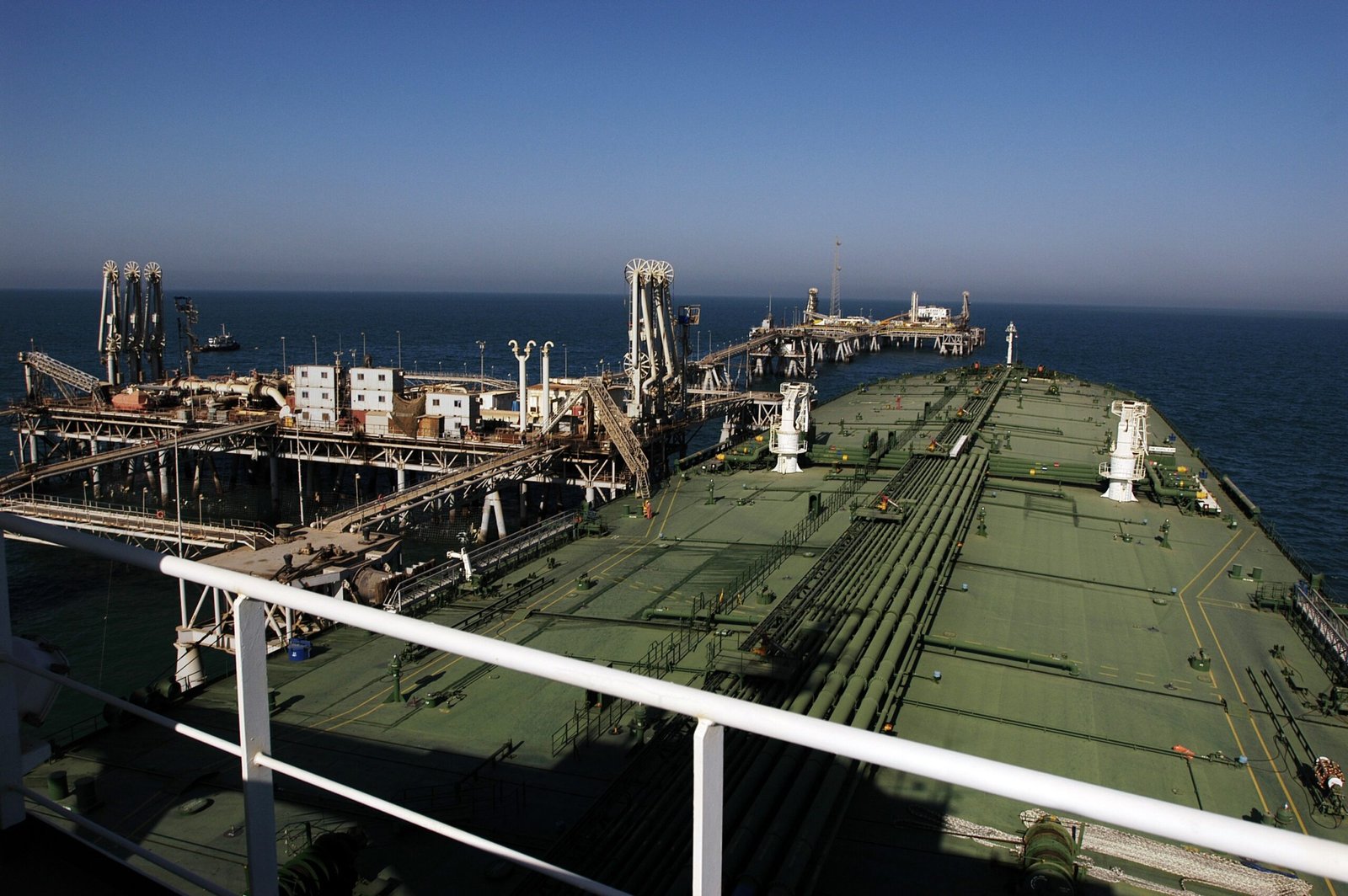
Daniel Hynes, senior commodity strategist at ANZ, said in a note cited by Reuters that producers appeared willing to take the risk of vessels being damaged because there is no alternative way to get their oil to international markets. That captures the industry’s calculation: stopping shipments would tighten supply and likely push prices higher, while continuing exposes ships and crews to more frequent attacks. For consumers, sustained prices above $109 are felt indirectly through higher transport and goods costs, and governments watch them for inflation pressure.
What Happens Next
Much depends on whether attacks continue, ease, or spread further into the Gulf of Oman and Red Sea. If more tankers are hit, or owners and insurers decide the risk is too high at current volumes, Hormuz flows could fall again from about 11 million barrels per day, putting further pressure on prices that have already touched highs above $111.
Diplomacy will also be watched. Any credible sign of mediation, a ceasefire, or safe passage could reduce the Brent risk premium quickly, as brief falls this week showed. Further talk of renewed strikes, or new attacks on oil infrastructure, could push prices back toward those highs.
For now, traders and governments work with limited, sometimes conflicting information about individual incidents, while the underlying facts are clear: a vital route is operating under heightened threat, oil is still moving at higher cost and risk, and Brent above $109 reflects a market that does not yet see a reliable return to normal.