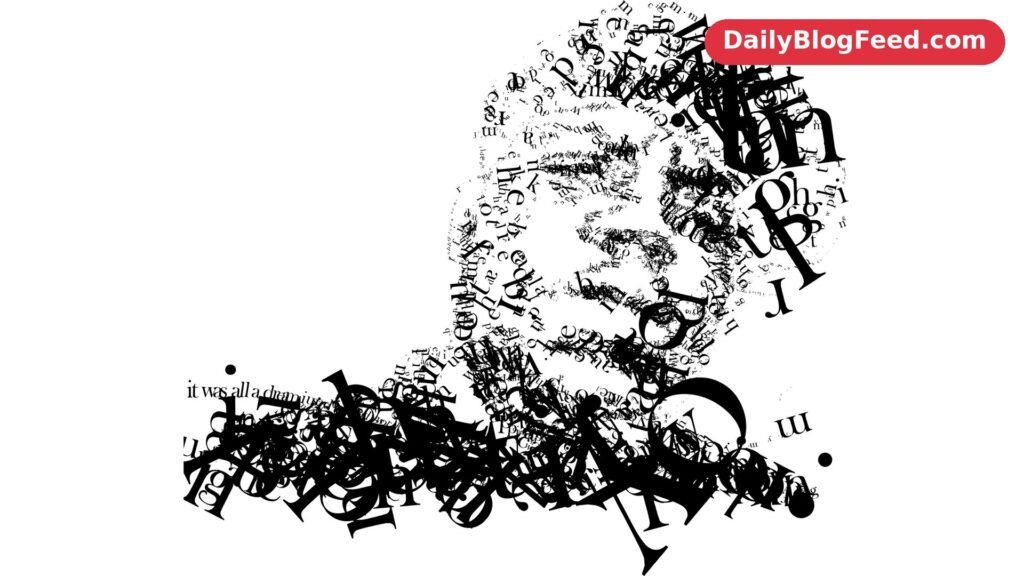

The Notorious B.I.G. recorded only two studio albums in his lifetime. That fact alone makes his reputation remarkable. Few artists have shaped a genre so completely, in so little time, with so few releases.
Biggie, as fans called him, was a storyteller first. His voice was deep and unhurried, his rhymes were dense with detail, and his songs moved between humor, menace, and vulnerability without losing their thread.
This article covers the verified facts of his short life: his age, his family, his music, and the fortune his estate built after his death. It states his death plainly and avoids speculation beyond what is publicly established.
Quick Facts
| Fact | Detail |
|---|---|
| Full name | Christopher George Latore Wallace |
| Known as | The Notorious B.I.G., Biggie Smalls, Biggie |
| Born | May 21, 1972, Brooklyn, New York, United States |
| Died | March 9, 1997, Los Angeles, California, aged 24 |
| Wife | Faith Evans, married 1994 |
| Children | 2: T’yanna Wallace and Christopher “C.J.” Wallace Jr. |
| Occupation | Rapper, songwriter |
| Record labels | Uptown, Bad Boy Records |
| Studio albums in his lifetime | Ready to Die (1994), Life After Death (1997) |
Brooklyn Beginnings
Christopher Wallace was born on May 21, 1972, in Brooklyn, New York, and raised in the Bedford-Stuyvesant neighborhood. His mother, Voletta Wallace, was a Jamaican immigrant who worked as a preschool teacher. His father left the family when Christopher was young.
As a teenager, Wallace began rapping on street corners and in local battles. He attended high school in Brooklyn, where he met friends who would later appear in his music, and he began building a reputation for wordplay and timing.
His early life also involved selling drugs, a fact he described frankly in his lyrics and interviews. That experience gave his later songs their detail, but it also brought arrests and time in jail. Music offered a different path, and a demo tape recorded in his late teens reached industry ears.
Sean Combs, then working at Uptown Records, heard the tape and signed Wallace. When Combs founded Bad Boy
Records, Wallace became its centerpiece artist. The partnership would define East Coast hip-hop in the mid-1990s.

Ready to Die: A Debut That Reset Rap
Ready to Die, released in September 1994, is one of the most praised debut albums in hip-hop history. It tells a loose life story, from birth to street life to fame, with a mix of humor, darkness, and ambition.
“Juicy” became its most famous song. Over a smooth sample, Wallace described moving from poverty to success, and the chorus became an anthem for listeners far beyond Brooklyn. “Big Poppa” followed, a confident, playful single that showed his charm as well as his skill.
Other tracks were harder and more detailed. “Things Done Changed” opened the album with a portrait of a changing neighborhood, while “Suicidal Thoughts” closed it on a bleak, confessional note. The range between those poles is what critics still praise.
The album sold millions and established Bad Boy as a major label. It also helped restore New York’s prominence in mainstream rap at a time when West Coast artists dominated the charts.
Life After Death and the Peak of Fame
Wallace’s second album was already highly anticipated before its release. Life After Death, a double album, arrived on March 25, 1997, sixteen days after his death. It debuted at number one and became one of the best-selling hip-hop albums of all time.
The album was bigger and more polished than its predecessor. It featured guest appearances from major artists, glossy production, and singles such as “Hypnotize” and “Mo Money Mo Problems.” Those songs topped charts around the world and introduced Wallace to listeners who had never heard Ready to Die.
“Hypnotize” remains his most recognizable single, with a bouncing beat and a confident, almost playful delivery. “Mo Money Mo Problems,” with Mase and Puff Daddy, captured the paradox of fame: more money brought more attention, and more attention brought more trouble.
The success of Life After Death created a painful contrast. Wallace was at his commercial peak, but he was not alive to see it. The album’s title, chosen before his death, took on a meaning no one had intended.
Songs That Still Define Him
A short career makes a greatest-hits list easier, and also more impressive. “Juicy” is the autobiography, “Big Poppa” is the charm, “Hypnotize” is the peak, and “One More Chance” is the smooth, radio-friendly remix that broadened his audience.
“Warning” shows his storytelling at its sharpest, building tension over a full verse before a twist. “Gimme the Loot” shows his humor and his ability to switch voices mid-song. “Sky’s the Limit” closes Life After Death with a reflective, hopeful tone that fans still quote.
Posthumous releases added to the catalog, including Born Again (1999) and Duets: The Final Chapter (2005), which paired unreleased verses with new artists. Those albums kept his voice in circulation, though critics note that they cannot match the coherence of the two albums he completed himself.
His influence is audible in generations of rappers who copied his flow, his humor, and his attention to detail. Few debut artists have been imitated so widely, and so quickly, after so few releases.
Wife, Children, and Family
Wallace married singer Faith Evans on August 4, 1994, after meeting her at a Bad Boy photo shoot. Evans was Bad Boy’s first female artist, and their marriage quickly became one of the most talked-about relationships in hip-hop.
The marriage was difficult in its final years, and the couple were separated but not formally divorced at the time of Wallace’s death. Evans has spoken about their relationship in interviews and in her own writing, and she later worked with his estate on posthumous projects.
Wallace had two children. His daughter, T’yanna Wallace, was born on August 8, 1993, to his former partner Jan Jackson. His son, Christopher Jordan Wallace Jr., known as C.J., was born on October 29, 1996, to Faith Evans.
His mother, Voletta Wallace, became a central figure in managing his legacy after his death. She worked with Evans and his former manager to oversee his music, image, and estate, and she remained a public guardian of his memory for decades.
Death on March 9, 1997
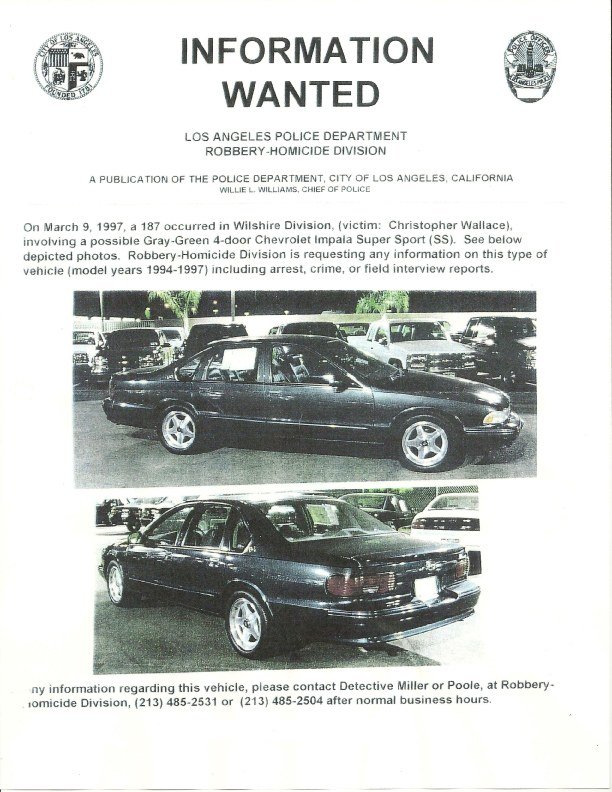
The Notorious B.I.G. died on March 9, 1997, in Los Angeles, California, aged 24. He had been in the city for music industry events, and he was killed in a drive-by shooting after leaving a party.
This article does not include graphic detail about the shooting, and it does not speculate about who was responsible. His murder remains unsolved, and that is the publicly established position. Theories about the case have circulated for years, but they remain theories, not findings.
What is certain is the loss. Wallace left behind two small children, a widow, and a mother, and he left behind a second album that had not yet been released. The hip-hop world, already shaken by the death of Tupac Shakur the previous year, lost another defining voice within months.
His funeral in Brooklyn drew large crowds, and his music took on a memorial quality almost immediately. Songs that had been party anthems became tributes, and his image became a symbol of a brief, brilliant era in New York rap.
Net Worth: At Death and After
The Notorious B.I.G.’s net worth at the time of his death is estimated by Celebrity Net Worth at $10 million, after adjusting for inflation. That figure reflects his earnings from record sales, touring, and publishing during a career that lasted only a few years.
His estate grew far larger after his death. Licensing, posthumous albums, films, documentaries, and merchandise kept his music earning for decades. Reports have put the estate’s value at around $160 million in earlier years, and a 2025 deal with Primary Wave, which acquired a 50 percent interest in the estate, reportedly valued his life’s work at roughly $200 million.
Those later figures describe the estate, not the cash Wallace held in 1997. The distinction is important, because it shows how an artist’s work can become more valuable after death, as new audiences discover it and as rights are consolidated.
The estate has been managed by his mother, his widow, and his former manager, among others. In later years, arrangements were made to share distributions with his children, ensuring that T’yanna and C.J. benefit from the catalog their father left behind.
A Legacy Larger Than a Lifetime
Wallace’s legacy rests on craft, not volume. Other rappers released more albums, toured more years, and built larger businesses in life. Few matched his combination of storytelling, humor, and flow in just two records.
That brevity also shapes how he is remembered. Like James Dean, whose film career lasted only a few years before his death at 24, Wallace became a legend partly because his work ended at its peak. Both men left a small body of work that fans and critics have studied for decades.
His influence on acting is different, but the principle of transformation is similar. Marlon Brando changed how film actors performed, while Wallace changed how rappers told stories, making the personal and the cinematic part of the same verse.
New York itself is part of the story. Robert De Niro became synonymous with New York screen acting, and Wallace became synonymous with Brooklyn rap, giving his neighborhood a voice that traveled around the world.
Lesser-Known Facts About The Notorious B.I.G.
- His stage name Biggie Smalls came from a character in the 1975 film Let’s Do It Again, and he later adopted The Notorious B.I.G. for legal reasons.
- He was known as a skilled freestyler who often rapped without writing his lyrics down first.
- Ready to Die was recorded while he was still establishing himself, and its cover photo shows him as a baby.
- He won praise from critics who had never covered hip-hop closely, a sign of how widely the album traveled.
- His son C.J. later played a young version of his father in the biographical film Notorious (2009).
- His music has been sampled, quoted, and referenced by rappers across several generations.
Frequently Asked Questions
How old was The Notorious B.I.G. when he died?
The Notorious B.I.G. was 24 years old when he died on March 9, 1997, in Los Angeles. He was born on May 21, 1972, in Brooklyn, New York.
Who was The Notorious B.I.G.’s wife?
His wife was singer Faith Evans, whom he married on August 4, 1994. They were separated but not formally divorced at the time of his death.
How many children did The Notorious B.I.G. have?
He had two children: his daughter T’yanna Wallace, born in 1993, and his son Christopher “C.J.” Wallace Jr., born in 1996 to Faith Evans.
What is The Notorious B.I.G.’s net worth?
Celebrity Net Worth estimated his net worth at $10 million at the time of his death, after adjusting for inflation. His estate later grew much larger, with a 2025 deal reportedly valuing his life’s work at roughly $200 million.
What are The Notorious B.I.G.’s most famous songs?
His most famous songs include “Juicy,” “Big Poppa,” “Hypnotize,” “Mo Money Mo Problems,” “One More Chance,” and “Warning.” “Juicy” and “Hypnotize” remain his most widely recognized singles.
What albums did The Notorious B.I.G. release?
He released two studio albums in his lifetime: Ready to Die (1994) and Life After Death (1997), which arrived sixteen days after his death. Posthumous albums, including Born Again (1999), followed later.
Conclusion
The Notorious B.I.G. did not need a long career to become one of the greatest rappers of all time. Two albums, a handful of singles, and a voice that sounded both relaxed and precise were enough.
His personal story is inseparable from his music, but it should be told with care. He was a husband, a father of two, and a son, and his death at 24 left a family as well as a fan base behind.
Nearly thirty years later, his songs still play at parties, in films, and on radio, and new listeners still discover Ready to Die as if it were new. That endurance is the clearest measure of his talent, and it explains why a career cut short still feels so large.