
The European Commission has set up a framework for European Union countries to approve the remaining 45 billion euros in loans to Ukraine, to be disbursed by the end of 2027. The announcement, made on Friday, October 30, 2026, is the latest step in implementing the EU’s 90-billion-euro Ukraine Support Loan, which covers budget support and defence supplies for 2026 and 2027.
Under the proposal, the Council of the EU would approve the remaining amount for 2027 through an implementing decision. The Commission said it had issued a positive assessment of Ukraine’s financing strategy, which Kyiv submitted on October 26, 2026, clearing the way for the proposal to move to member states for adoption.
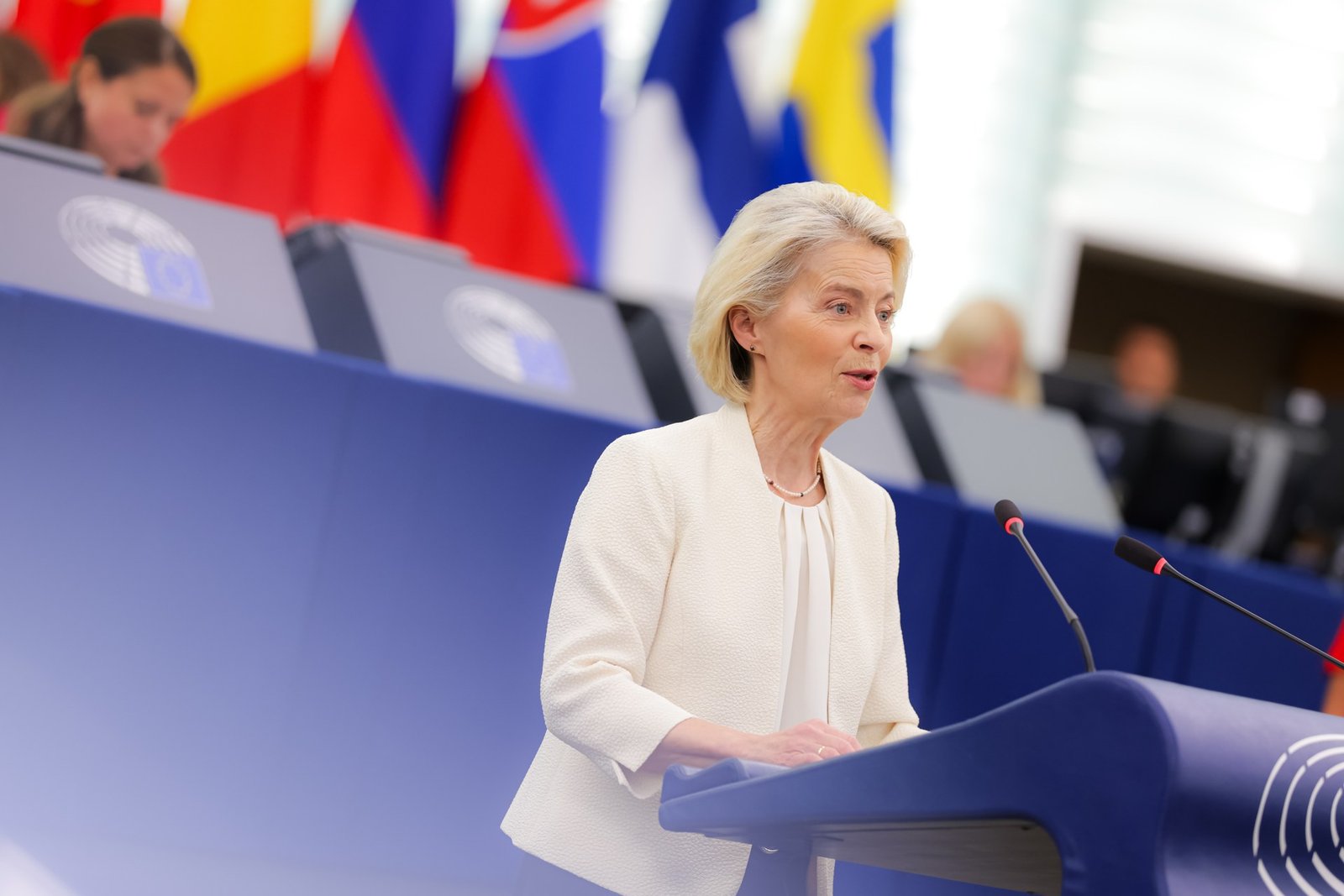
“With today’s proposal, we are providing Ukraine with much-needed predictability and helping maintain essential public services,” Commission President Ursula von der Leyen said on Friday. She added that strengthening support for Ukraine was high on the agenda as allies met in Montreal, and that allies must do everything in their power to increase pressure on Russia.
How the 45 billion euros breaks down
Of the remaining 45 billion euros, up to 13.3 billion euros is earmarked for budget support, split equally between the Ukraine Facility and macro-financial assistance. The remaining 31.7 billion euros is intended to finance Ukraine’s defence industrial capacity, helping Kyiv produce and procure the equipment its armed forces need.
The budget support will come with conditions linked to the rule of law, the fight against corruption, economic resilience and sustainability, according to the Commission. Safeguards to protect the EU’s financial interests will also apply. The Commission said the conditions were designed to ensure the money supports essential public services while encouraging reform.
The 90-billion-euro loan programme as a whole was finalised by the EU Council in April 2026, backed by EU budget headroom and financed through borrowing on capital markets. Half of the total, 45 billion euros, was set aside for disbursement in 2026, with the other half now being prepared for 2027. According to Reuters, the programme is worth about 50.4 billion dollars at current exchange rates for the remaining tranche alone.
Why the timing matters
The framework arrives at a difficult moment for Ukraine’s finances. The country continues to fund a war effort now well into its fifth year, alongside the day-to-day costs of running public services, paying pensions and salaries, and repairing infrastructure damaged by strikes. Predictable, long-term financing from the EU has become central to Kyiv’s planning, reducing the need for repeated emergency appeals.
For the EU, the loan also reflects a broader debate about how to sustain support for Ukraine over time. Member states have at times disagreed over the size and form of assistance, and over whether support should come as grants, loans or seized-asset revenues. The Ukraine Support Loan, structured as a loan programme with strong conditions, was the compromise that emerged earlier in 2026.
Von der Leyen has framed the package as part of a wider effort to keep pressure on Russia while giving Ukraine the means to defend itself. In her statement on Friday, she described Russia’s war as barbaric and said allies must mount pressure to stop it, language consistent with the Commission’s public position since the full-scale invasion began in 2022.
The road through the Council
The proposal now goes to the Council of the EU, where member states will decide on the allocation of support under the 2027 loan. The Council’s implementing decision would set out how the money is divided between the Ukraine Facility, macro-financial assistance and defence industrial funding, following the Commission’s framework.
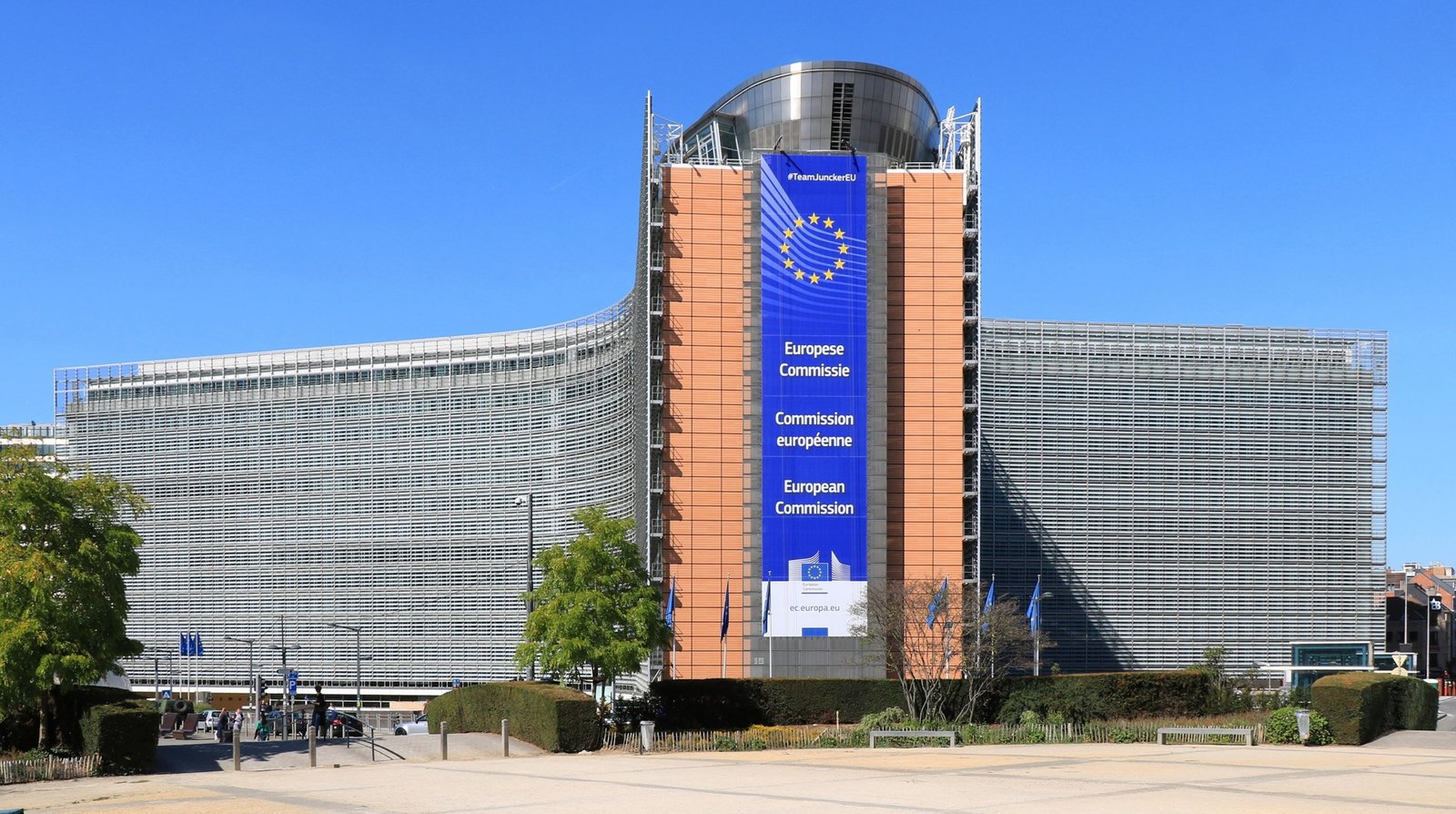
Officials expect the Council to consider the proposal in the coming weeks, with the aim of having the framework in place before disbursements begin in 2027. As with the 2026 tranche, which the Council approved in April after Ukraine submitted its financing strategy, the process depends on member states reaching agreement on the implementing decision.
Ukraine, which was granted EU candidate status in 2022, has welcomed the predictability of the multi-year programme. The Commission noted that the futures of Ukraine and Europe are bound together, and that the loan helps maintain essential services while the country pursues reforms linked to its EU membership path.
What happens next
The immediate next step is the Council’s decision on the implementing decision. If adopted as proposed, the remaining 45 billion euros will be made available to Ukraine by December 31, 2027, with budget support flowing alongside defence industrial funding through the year.
Beyond the loan itself, attention will turn to whether the funding proves sufficient. Earlier assessments noted that around 15 billion euros had already been disbursed by mid-September 2026, and analysts have questioned whether the full 90 billion euros will cover Ukraine’s needs amid rising costs. For now, however, the Commission’s framework gives Kyiv and EU capitals a clear structure for the year ahead — and a timetable for turning a political commitment into money that can be spent.
Sources: European Commission; Reuters; Interfax-Ukraine.