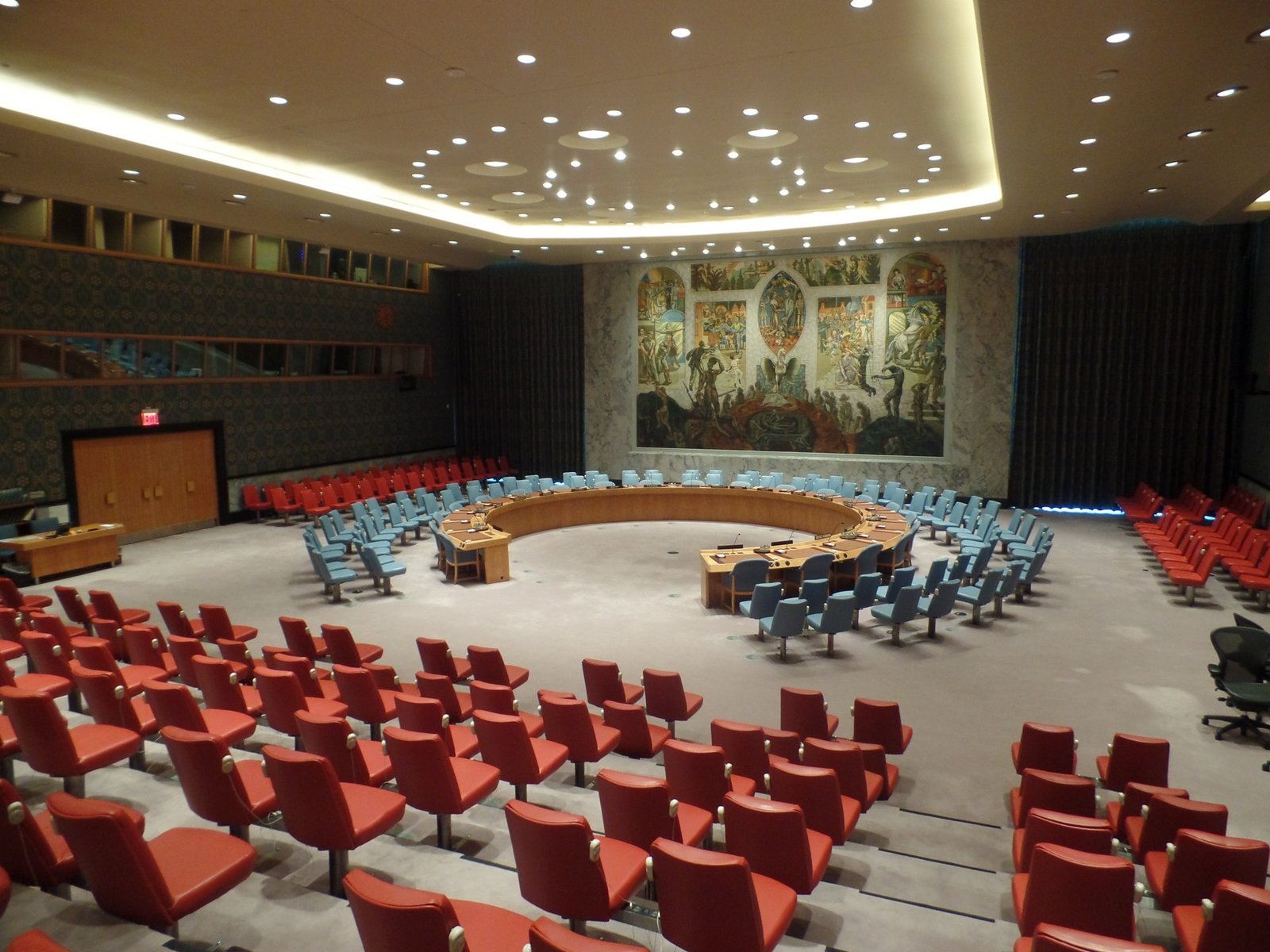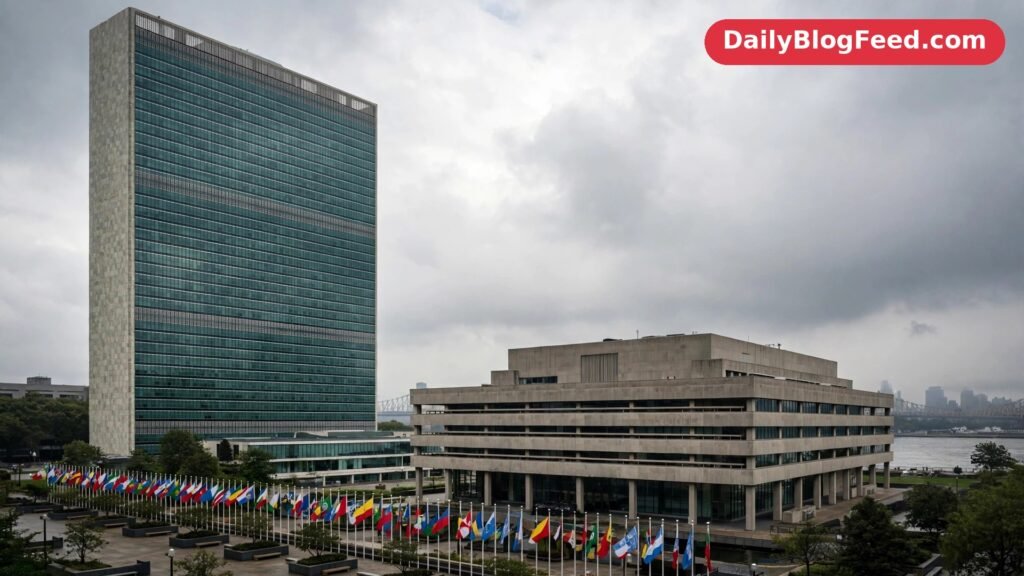

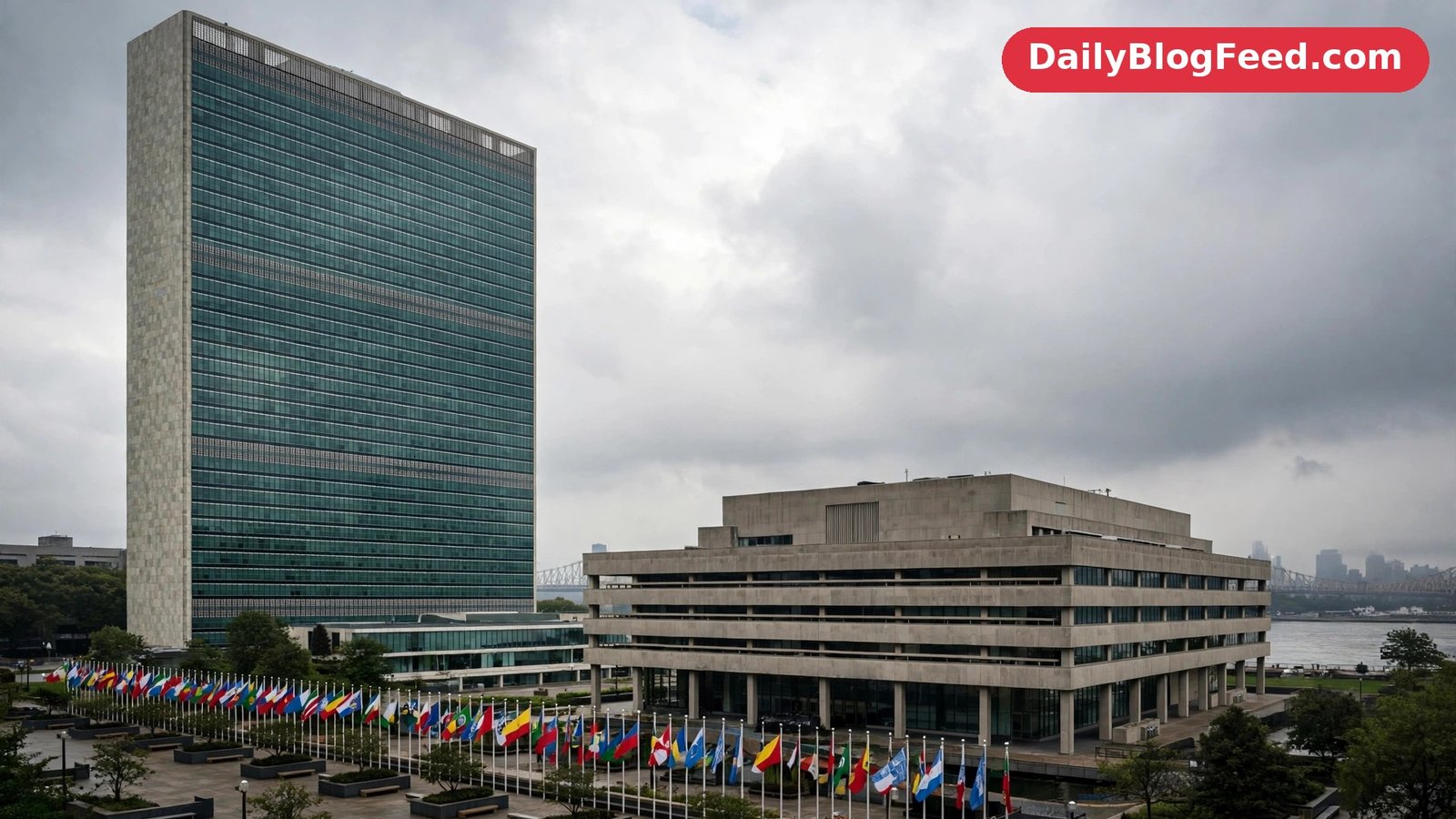
Russia has vetoed a United States-drafted resolution on Western Sahara at the United Nations Security Council, blocking a text that had won the support of 11 of the Council’s 15 members. The vote, held on Friday, October 30, 2026, was the first time a permanent member has vetoed a resolution on the decades-old dispute, according to reports of the session.
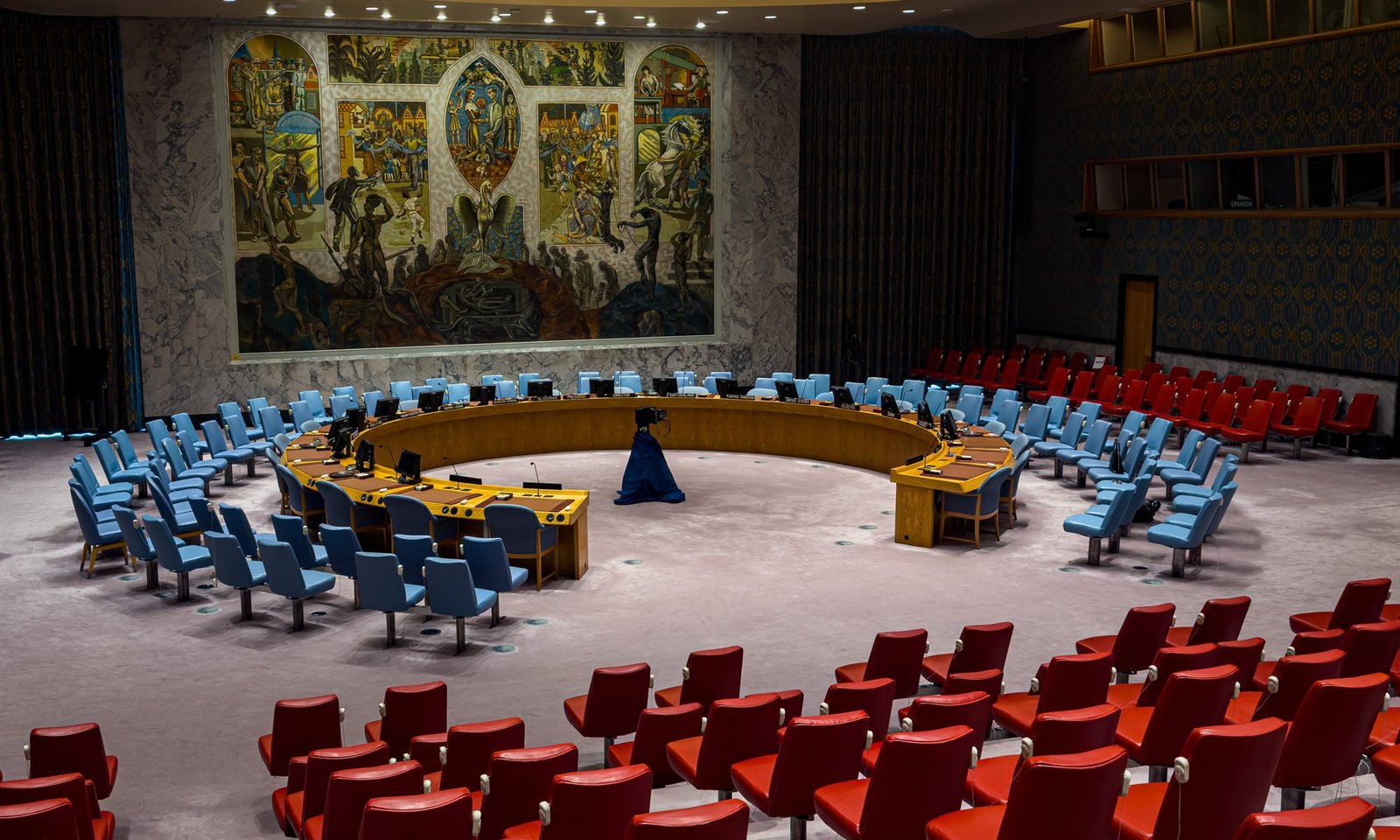
The US draft received 11 votes in favour, one vote against — from Russia — and three abstentions, from China, Pakistan and Somalia. Because the single opposing vote came from a permanent member, the resolution could not be adopted. Greece’s ambassador, Aglaia Balta, who holds the Council presidency, announced after the vote that the draft “has not been adopted owing to the negative vote of a permanent member of the Council.”
The draft would have established Morocco’s autonomy plan as the sole basis for negotiations over Western Sahara, extended the mandate of the UN mission in the territory until October 31, 2027, and renamed the mission, dropping the word “referendum” from its title. The mission, known by the acronym MINURSO, stands for the United Nations Mission for the Referendum in Western Sahara. Under the US proposal, it would have become MINUSO, the United Nations Mission in Western Sahara.
A shift from Moscow
Russia’s veto marked a change from its position a year earlier. When the Council adopted Resolution 2797 in October 2025, which first established the autonomy plan as the basis for a settlement, Russia abstained rather than blocking it. At the time, Russia’s ambassador, Vassily Nebenzia, had described that text as unbalanced but said Moscow would not stand in its way in order to give the peace process another chance.
On Friday, according to reports of the session, Nebenzia criticised Washington’s approach to the negotiations. The US ambassador, Mike Waltz, said after the vote that Washington would continue to back a revamped mission and the UN Secretary-General’s personal envoy for Western Sahara, Staffan de Mistura. Waltz also argued that a self-determination referendum of the kind long demanded by some parties was no longer a realistic option, a position the United States has pressed in recent months.
France’s representative warned of the consequences of the veto for MINURSO, whose mandate expires on Saturday, October 31. An abrupt end to the mandate would be worrying at a time of renewed tensions in the region, the French representative said, according to reports.
Russia’s counterproposal also fails
Hours before the vote, Russia had circulated its own draft resolution, which would simply have extended MINURSO’s mandate for another year without changing its name or responsibilities. That text was put to a vote shortly after the US draft failed — and it too was rejected.
Russia’s proposal received just three votes in favour — from Russia, China and Somalia — with 11 abstentions and one vote against, from the United States. It fell six votes short of the nine needed for adoption. As a result, neither text was adopted, and the Council ended the day without an agreed renewal of the mission’s mandate.
The outcome leaves the mission in an uncertain position. Resolution 2797, adopted in 2025, remains in force as the Council’s reference point, and analysts quoted in coverage of the session noted that the veto does not overturn it. But without a new resolution, MINURSO’s legal basis after October 31 is unclear.
The dispute behind the vote
Western Sahara, a sparsely populated territory on Africa’s Atlantic coast, has been disputed since Spain withdrew in 1975. Morocco claims sovereignty over the territory and has proposed autonomy under Moroccan sovereignty as a settlement. The Polisario Front, backed by Algeria, seeks independence and a referendum on self-determination.
The United Nations has maintained a peacekeeping mission in the territory since 1991, monitoring a ceasefire that largely held until 2020, when hostilities resumed in parts of the territory. Successive rounds of UN-led talks have failed to produce a settlement, and the dispute remains one of the longest-running items on the Security Council’s agenda.
The United States has been the Council member responsible for drafting resolutions on Western Sahara, a role known as being the “penholder.” In recent years, Washington has moved increasingly toward Morocco’s position, recognising Moroccan sovereignty over the territory in 2020 and then pressing for the autonomy plan to become the exclusive basis for negotiations.
What happens next
Diplomats and analysts cited in coverage of the session outlined several possible paths. The most common option when the Council is divided is a short technical extension, renewing the mandate for a few weeks or months without changing its terms, to allow time for further negotiation. Washington could also return with a revised draft, softening its language in an effort to persuade Russia to abstain, as it did in 2025.
A third possibility, and the most disruptive, is that the mandate simply lapses. If no resolution is adopted, the mission would lose its legal basis, a scenario that would raise questions about ceasefire monitoring in the territory. For now, the Council’s failure to agree leaves one of the UN’s oldest peacekeeping missions in limbo, and the next move will depend on whether the United States and Russia can find wording both can accept.
Sources: Reuters; Hespress; Le360.