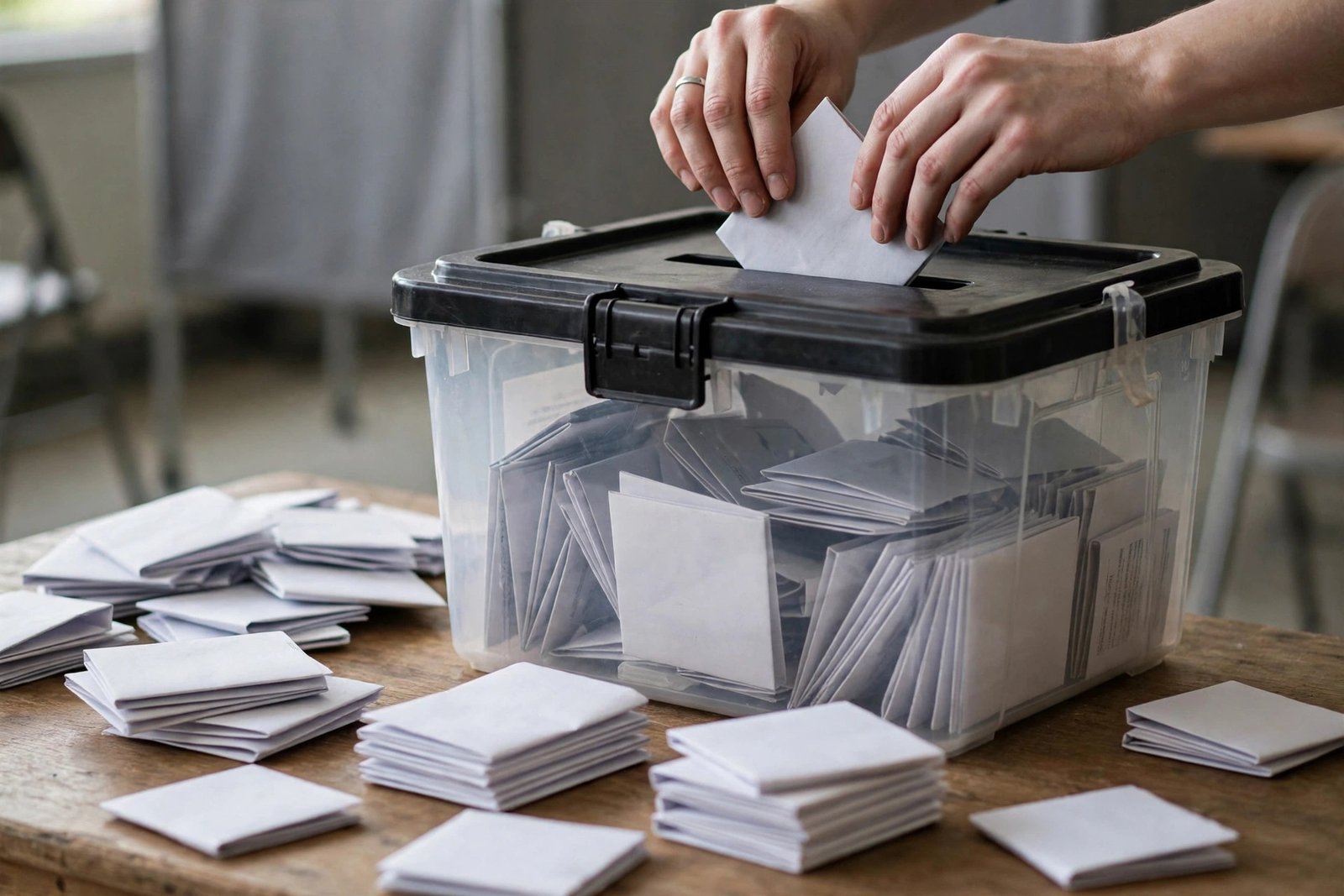

Exit polls put Bulgaria’s acting president, Iliana Iotova, ahead in the second round of the country’s presidential election on Sunday, November 1, 2026, putting her on course to become Bulgaria’s first elected female head of state — although the official result is not expected until Monday, with full confirmation due by November 4.
Iotova, 61, led with about 51 percent versus 43 to 45 percent for former caretaker prime minister Andrey Gyurov, 50, according to two exit polls published as voting ended at 8 p.m. local time (1800 GMT), Reuters reported via the Straits Times. One exit poll, by Alpha Research, put Iotova at 52.5 percent and Gyurov at 43.4 percent, with 4.1 percent choosing "I do not support anyone". Another, by Market Links for bTV, put her at 50.7 percent against 44 percent for Gyurov.
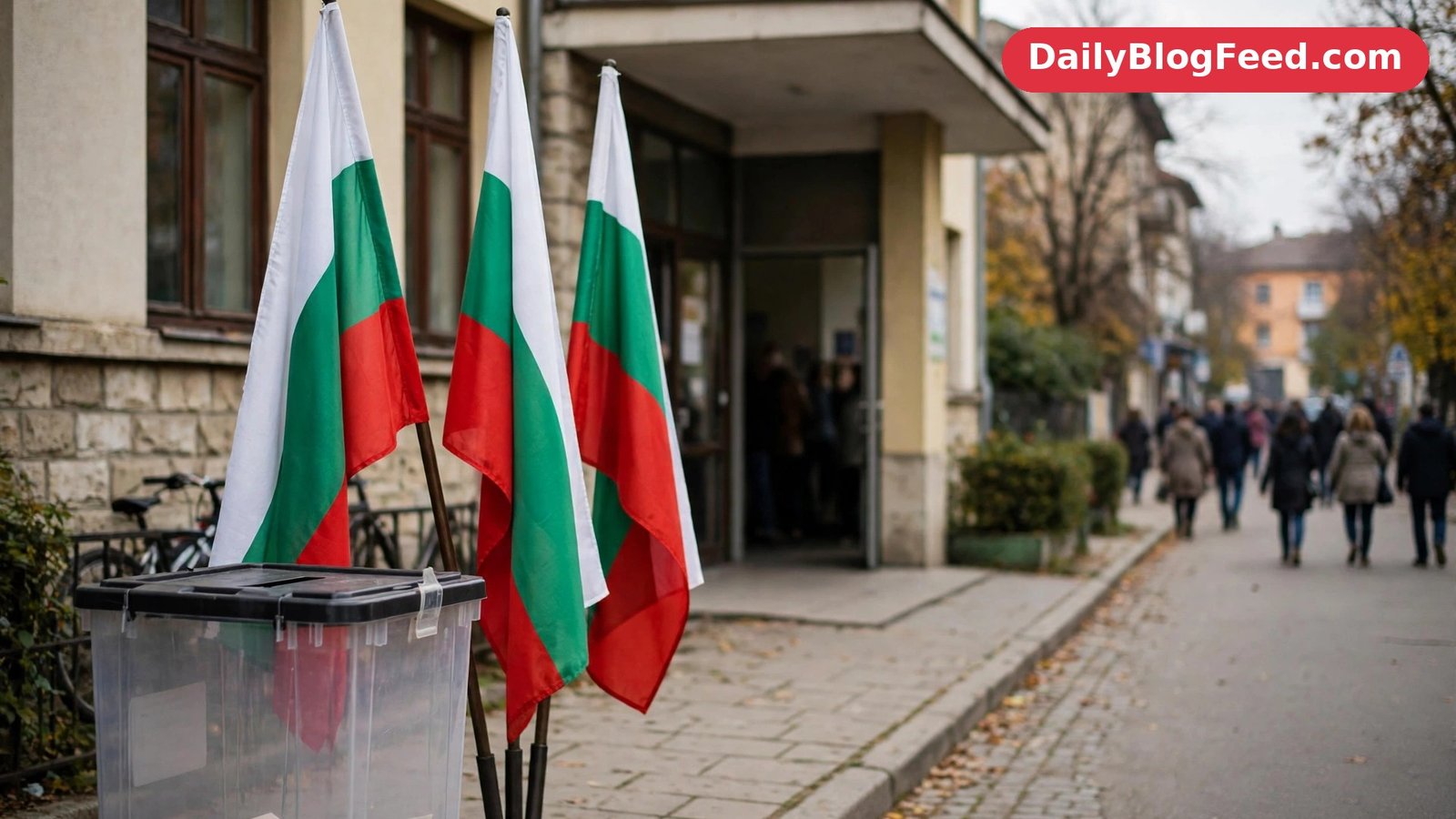
The exit polls put voter participation at about 27 to 29 percent, a bit higher than the first-round race on October 25, which had a record-low turnout of 23 percent. Bulgarian National Radio reported turnout of 26.8 percent in its exit-poll coverage, with the Iotova–Kiril Valchev ticket at 51 percent and the Gyurov–Georgi Kandev ticket at 44.7 percent. Those figures are estimates based on interviews with voters, not counts of ballots, and the final official result could differ.
A runoff after a fragmented first round
The runoff followed a crowded first round on October 25, in which 27 candidate tickets entered the race. Iotova finished first with 34.8 percent of the vote, according to official first-round figures, while Gyurov came second with about 32 percent. Neither ticket crossed the threshold for an outright win, so the top two advanced to Sunday’s second round.
Iotova took over as head of state in January 2026 following the resignation of Rumen Radev, who returned to party politics. She is running with Kiril Valchev as her vice-presidential candidate, backed by the ruling Progressive Bulgaria party and the Bulgarian Socialist Party, among others. Gyurov, a former caretaker prime minister, ran with Georgi Kandev, supported by We Continue the Change and Democratic Bulgaria.
The presidency in Bulgaria is a largely ceremonial role, but it carries important powers, including the ability to appoint caretaker governments, veto legislation and represent the country internationally. That is why the contest, despite low turnout, has been watched closely in Sofia and in European capitals — particularly because the two candidates differ on one of the most sensitive issues in Bulgarian politics: military aid to Ukraine.
What divided the candidates
Iotova has opposed continued military aid to Ukraine, a position that has drawn attention in Brussels and Kyiv, while Gyurov has been described in coverage as the more pro-Ukrainian candidate. That difference did not dominate the campaign in the same way as domestic issues — the cost of living, public services and political stability — but it shaped how the result was read abroad.
For supporters of Iotova, a victory would confirm the direction set since January, when she took the helm after Radev’s resignation. Petar Vitanov of Progressive Bulgaria, a member of Iotova’s initiative committee, said after the exit polls that "Bulgaria will be more stable and more at ease following the election of its president", according to Bulgarian National Radio.
For Gyurov’s supporters, the runoff was a chance to change course. Gyurov, who served as a caretaker prime minister, campaigned as a centrist alternative, but the exit polls suggest he trailed by roughly seven to nine percentage points — a wider gap than the roughly three-point margin in the first round.
Low turnout, and why it matters
Turnout was low by any standard. The first round’s 23 percent was a record low, and the runoff’s estimated 27 to 29 percent, while higher, still means that roughly seven in ten eligible voters did not cast a ballot. That reflects a wider disengagement in Bulgarian politics after years of unstable governments, frequent elections and coalition breakdowns.
Low turnout also means the result rests on a relatively narrow base of voters. It does not make the result illegitimate — the runoff is decided by those who vote — but it does raise questions about how much of a mandate the winner can claim, and whether the next president can help rebuild trust in institutions.
Voting abroad added a further logistical dimension. Bulgarian citizens living abroad voted at polling stations in 60 countries, with voting beginning at 8 p.m. Bulgarian time on October 31 at the polling station in Auckland, New Zealand, and concluding on the US West Coast, where polling stations were due to close at 6 a.m. Bulgarian time on November 2, according to Bulgarian National Radio.
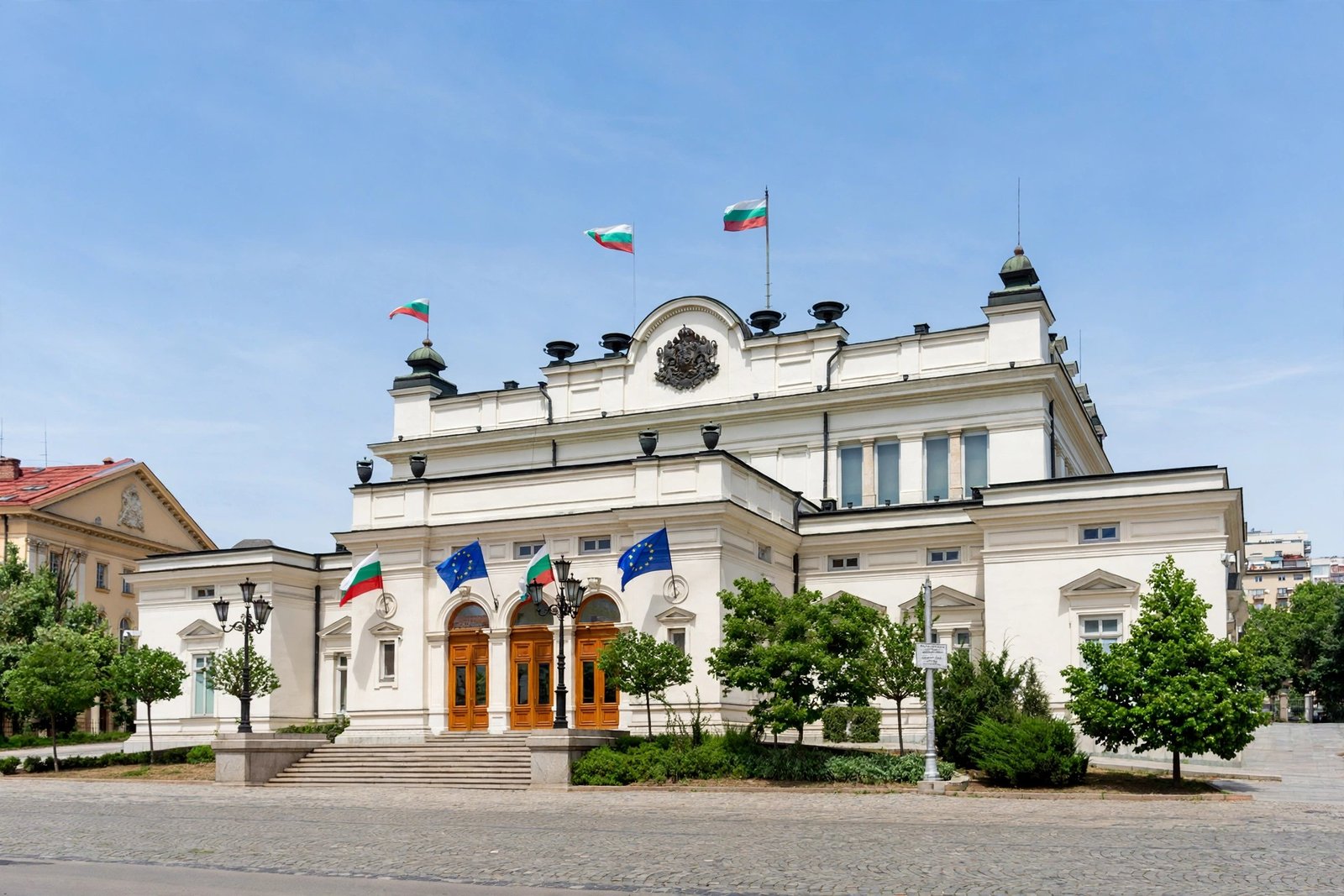
Reactions and the wait for the official count
Politicians began reacting to the exit polls on Sunday evening, even though the official count had not been completed. Bulgarian National Radio’s coverage of politicians’ comments noted that Iotova’s supporters welcomed the projected victory, while the focus for all sides now shifts to the Central Election Commission’s count.
The final official result is expected on Monday as ballots are counted, with official results due no later than November 4, according to reports. Until then, the exit-poll lead should be treated as a strong indication, not a confirmed result. Exit polls have a margin of error, and in a low-turnout election, small shifts in who actually voted can move the final percentages.
That caution applies in particular to the exact figures. Different pollsters gave slightly different numbers — Alpha Research put Iotova at 52.5 percent, Market Links at 50.7 percent, and Trend Research Centre at 51.6 percent — but all pointed in the same direction: a clear, if not overwhelming, lead for the acting president.
What happens next
If the official count confirms the exit polls, Iotova will become Bulgaria’s seventh president and the first woman to be elected head of state in a democratic vote, as Bulgarian National Radio noted. She would then serve a full term, with the powers of the presidency — including appointing caretaker governments in times of political deadlock — taking on added importance in a country where stable majorities have been hard to sustain.
The new president will also face the same domestic pressures that shaped the campaign: the cost of living, the quality of public services, and the need to restore confidence in politics after years of instability. On foreign policy, European partners will be watching closely for signals on Bulgaria’s stance within the European Union and NATO, and on its approach to Ukraine.
For now, Bulgaria waits for the count. The exit polls tell a clear story, but in an election with turnout below 30 percent, the official result — and the margin it confirms — will determine how strong a mandate the next president can claim.
Sources: Bulgarian National Radio; Straits Times (Reuters); Sofia Globe via UA.NEWS; Market Links/Trend exit polls via BNR.