
President Donald Trump said on Thursday, October 22, that SpaceX CEO Elon Musk had restored Ukraine’s access to the Starlink satellite internet network, but declined to say whether he had spoken to Musk personally — a claim Ukrainian officials quickly contradicted, insisting that service speeds had not returned to normal. The conflicting accounts leave the situation developing, with both sides telling sharply different stories about a system Ukraine relies on for frontline communications.
Speaking to reporters on Thursday, Trump was asked whether he had personally called Musk about the Starlink disruption. “I don’t want to comment on it, whether I called or whether somebody else called, doesn’t make any difference, I guess. The bottom line — he put it back,” the president said, according to Reuters.
What Trump and the Wall Street Journal Reported
The Wall Street Journal reported earlier on Thursday that Trump had called Musk on October 21 and asked him to lift the restrictions on Ukraine’s use of Starlink, citing unnamed officials. The Journal, citing U.S. and Ukrainian officials, said the system was working more normally on Thursday — though it also noted that some Ukrainian officials said service was still not fully restored.
Trump himself offered no details of any conversation with Musk, and neither the White House nor SpaceX issued an official statement clarifying exactly what had changed on the network, or when. Reuters reported Trump’s remarks on Thursday as the administration faced growing questions about its role in the disruption.
Kyiv Pushes Back on the Claim
Ukrainian officials disputed the restoration claims the same day. President Volodymyr Zelenskyy said earlier on Thursday that Starlink speeds had not been restored for Ukraine, and added that he hoped to hold talks with U.S. Secretary of State Marco Rubio in the coming days about the issue, according to Al Jazeera.
The Kyiv Independent reported on October 22 that a Ukrainian official described the restoration claims as “all false,” saying a 161 kph speed cap remained in place on the network used by Ukrainian forces. The sharp contradiction means it is not yet clear whether Ukraine’s access problems have been resolved in any meaningful way, despite Trump’s assertion that “he put it back.”

Background: The October 14 Disruption
Starlink access for Ukraine was disrupted without warning on October 14, in what Ukrainian officials described as a sudden and unexplained slowdown. Ukraine uses Starlink and its military-grade counterpart, Starshield, for battlefield communications and drone operations, making the service a critical part of the country’s defense infrastructure.
The disruption quickly became a point of political contention in Washington and Kyiv. Last week, Musk said publicly that the U.S. government ultimately controls access to Starshield, the military-grade network — a statement that raised questions about whether the restrictions were imposed at Washington’s direction.
The White House has repeatedly denied instructing any restriction on Ukraine’s access. Rubio said on Wednesday that decisions about the network were up to SpaceX and Musk, not the White House. Trump has denied any involvement in the decision to slow the service, and the administration has maintained that it did not order the disruption.
Why Starlink Is Critical for Ukraine
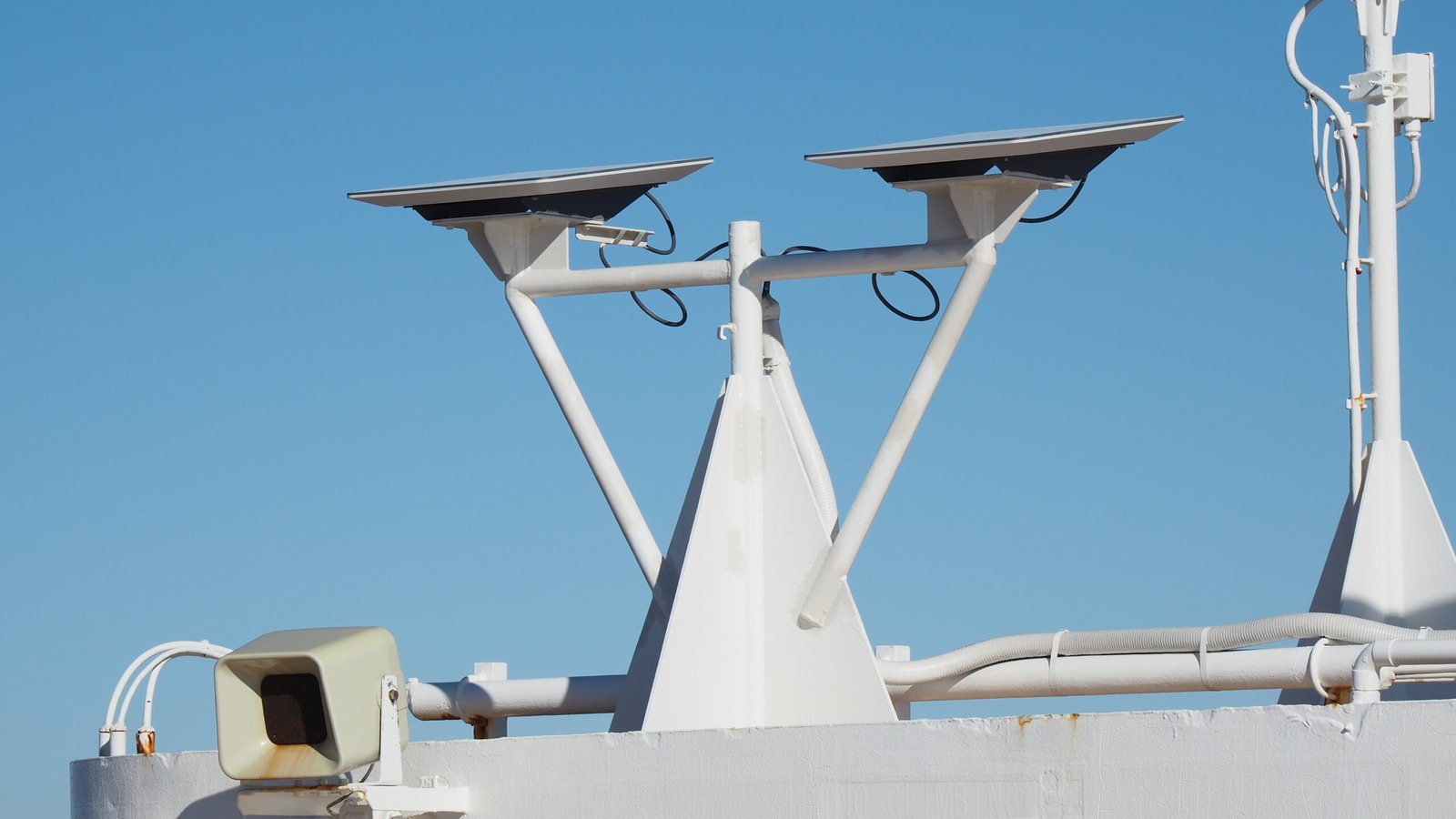
Starlink has been a lifeline for Ukraine since the early months of the war, providing internet connectivity to military units, emergency services, and civilians in areas where conventional networks have been destroyed. The satellite network’s terminals are used to coordinate drone operations, relay battlefield intelligence, and maintain communications between units operating beyond the reach of cellular coverage.
SpaceX originally provided thousands of terminals to Ukraine in 2022, and the U.S. government has since funded much of the service through defense contracts. Starshield, the more secure military-grade version of the network, carries a higher level of control — and Musk said last week that the U.S. government ultimately controls access to it, a remark that intensified scrutiny of Washington’s role in the October disruption. The White House has said repeatedly that it did not instruct any restriction.
What Happens Next
The situation remains developing, and the key question — whether Ukrainian forces once again have reliable, full-speed Starlink access — still has two different answers depending on who is asked. Zelenskyy’s hoped-for talks with Rubio in the coming days may help clarify what, if anything, has actually changed on the network, and whether the reported speed caps are still being applied.
For now, Trump’s public statement stands in direct tension with Kyiv’s assessment. Until independent confirmation emerges or the reported restrictions are verifiably lifted, the status of Ukraine’s Starlink access remains unresolved — a matter both Washington and Kyiv will be watching closely in the days ahead.