

A judge in New Mexico on Wednesday ordered Meta Platforms, the owner of Facebook, to pay $25 billion after a jury found it had misled users about privacy, in what the Associated Press described as the biggest fine ever against the tech giant and one of the largest penalties imposed on a technology company.

State District Court Judge Francis Mathew issued the decision in Santa Fe after a jury verdict on September 25. Jurors found Meta had committed more than 43 million violations of New Mexico’s Unfair Practices Act, according to Reuters and AP, based on misleading statements about how Facebook handled users’ personal data and who could access it. The case stems from the Cambridge Analytica scandal, in which a political firm harvested data from millions of Facebook users without consent.
In his ruling, Judge Mathew wrote Facebook’s deception was intentional and executives consistently misled users about how the platform worked, according to AP. “Facebook promised users that they (the users) controlled their data. This was false,” he wrote, as quoted by AP.
Reuters reported a similar assessment. “Facebook’s wrongdoing — over the course of years and systematically broadcast to the public — goes to the heart of Facebook’s core business practices,” Judge Mathew wrote, according to Reuters. CNN said he described the actions as a coherent strategy to mislead the public, not isolated incidents.
What the Case Alleged
New Mexico Attorney General Raúl Torrez sued in 2021, after revelations in 2018 that Cambridge Analytica, a British firm that worked for Donald Trump’s 2016 campaign, had obtained data from as many as 87 million Facebook users through a third-party personality quiz app, including data about users’ friends, to build voter profiles for targeted political advertising.
The lawsuit was not only about the original harvesting. According to Reuters, New Mexico accused Meta of lying to users in the state about who had access to their data, how it handled hate speech and misinformation, and other internal policies. The state said the company knew third parties had broad access to personal data, and tolerated hate speech or harmful content when it benefited its bottom line.
Jurors considered public statements by the company and its leadership. Reuters reported they found 26 of 29 statements at issue were misleading. The figure of more than 43 million violations was calculated from the number of Facebook users or New Mexico residents who were the audience for each misleading statement, not from 43 million separate residents. That counting method is central to how the penalty grew so large.
Meta disputed the account. In filings cited by Reuters, it urged the judge to cap any penalty at $3.45 billion, argued evidence showed it does not sell user data, and said New Mexico had not proved any consumer was actually misled. It also argued a higher penalty risked scaring businesses out of the state.
The verdict was the second in six months by a Santa Fe jury against Meta, according to Reuters. In a trial ending in March, a jury found Meta misled users about young people’s safety on Facebook, Instagram and WhatsApp and ordered $375 million in penalties, with a further $567 million later directed to a state teen mental health fund. CNN and Reuters also noted New Mexico was not a party to an $18 billion multistate settlement Meta agreed to in August, so it kept its own claims alive and took them to a jury.
How the $25 Billion Penalty Was Calculated
State law allows up to $5,000 per violation of New Mexico’s consumer protection law, according to Reuters and AP. Applied to more than 43 million violations, that produces a maximum of more than $219 billion. Judge Mathew found a penalty of more than $219 billion was warranted under state law, Reuters reported, but reduced the final amount to $25 billion.
The state had asked for less than the maximum. At an October 1 hearing, New Mexico lawyers asked for between $35 billion and $40 billion, according to Reuters. Randi McGinn, a lawyer for New Mexico, told the court it should speak to Meta in the only language it understands, which is money, and the value of its stock price, Reuters reported. The $25 billion figure sits between the two positions: well below the maximum, but more than seven times the ceiling Meta proposed.
Attorney General Torrez said penalty money under the law goes to the state’s school system, Reuters reported after the September verdict. At a news conference Wednesday, Torrez presented the judgment as a wider warning. “This judgment should be a signal, an unambiguous message, to Silicon Valley,” he said, according to AP. In a statement quoted by USA Today, he added that for too long powerful technology companies operated as though their size put them beyond the law.
For scale, AP reported Meta, based in Menlo Park, California, has a market value of about $1.8 trillion and brought in more than $200 billion in revenue last year, and its shares traded about 2 percent higher after the announcement.
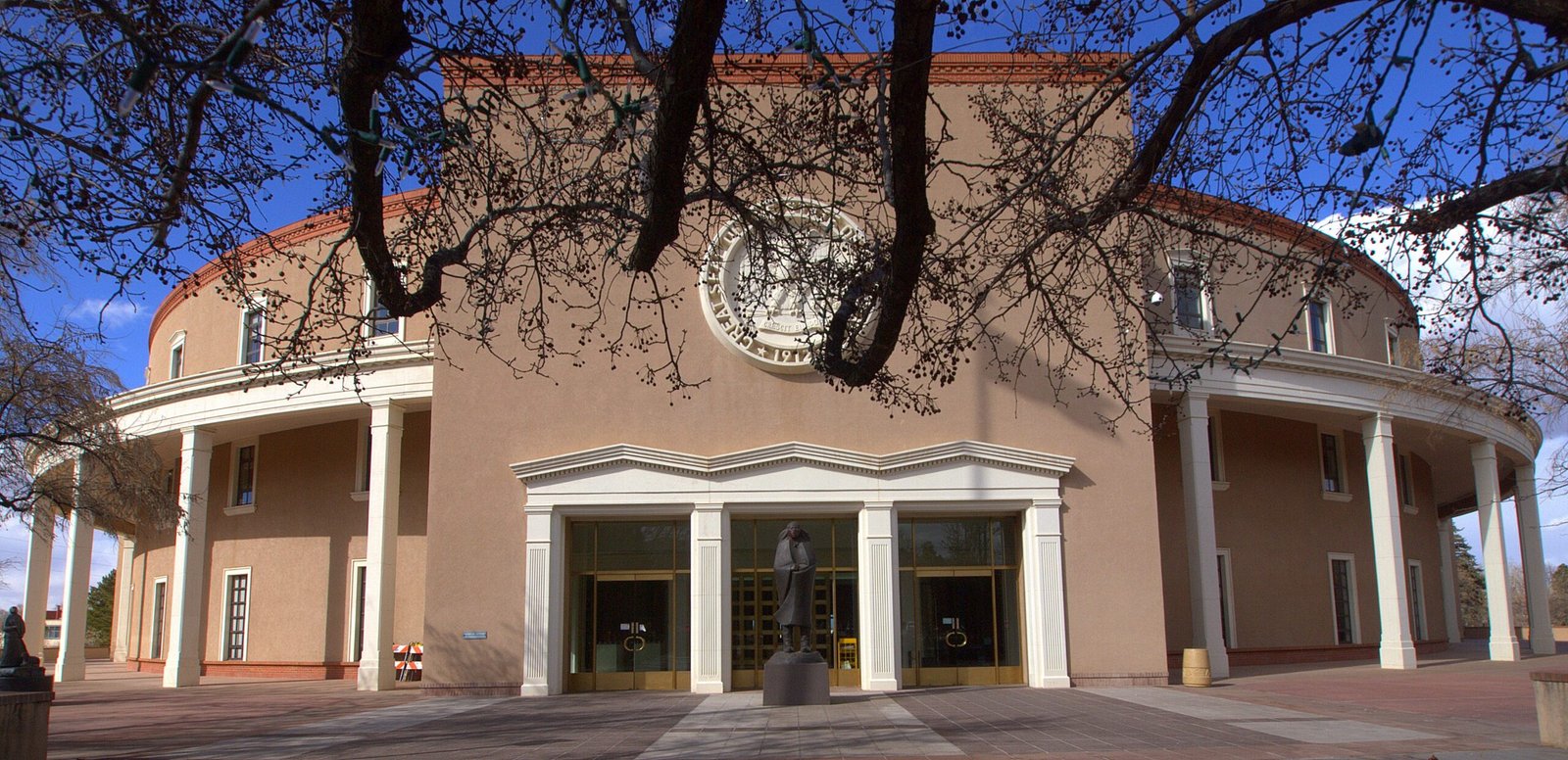
Meta’s Response and the Wider Legal Picture
Meta said it will appeal. C.J. Mahoney, its chief legal officer, said in a statement reported by AP and CNN that the ruling and the attorney general’s approach make it all but impossible to do business in New Mexico. “At its core, this lawsuit seeks to impose a tax on speech to enforce new rules for what people can say online. We are confident we will prevail on appeal,” Mahoney said, according to AP. Reuters noted a Meta spokesperson did not immediately respond to its request for comment Wednesday, before Mahoney’s statement was reported elsewhere.
That appeal argument — that the case conflates privacy and speech — will be central next. The state framed it as consumer protection about a company’s own statements, not regulation of what users may post, a distinction likely to be contested on appeal. The ruling also adds to Meta’s court losses and settlements this year, as CNN reported.
What Happens Next
Meta’s intention to appeal means the $25 billion order is unlikely to be the final word. An appeal could take months or longer, and the company is expected to challenge how the 43 million violations were counted, the size of the penalty, and its tax-on-speech argument. The state will defend the jury findings and Judge Mathew’s reasoning that the conduct was intentional, repeated and systematic.
Until an appeals court rules, questions remain about whether Meta must post a bond, pay any part of the judgment, or change how it describes privacy controls in New Mexico.
For other companies, the lesson plaintiffs may draw is that public statements about privacy can be treated as consumer claims, and per-violation penalties can turn repetitions into a very large total. Whether that survives appeal will determine if $25 billion becomes a precedent or a high-water mark later reduced.