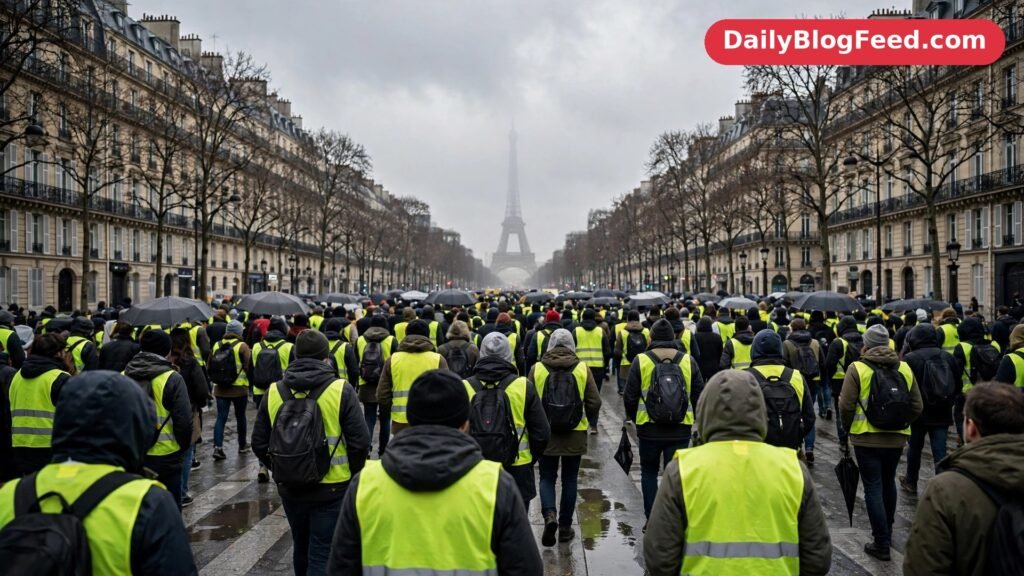

President Emmanuel Macron vowed on Wednesday, 21 October, to prevent a repeat of last weekend’s violence in France, as protests driven by rising fuel prices, the cost of living and strained public services spread across the country and unions prepared further rallies and a general strike. Speaking during a visit to Qatar, where he was seeking energy deals, Macron also dismissed comments by some foreign leaders about the unrest as “stupid” and “unacceptable”, according to Reuters.
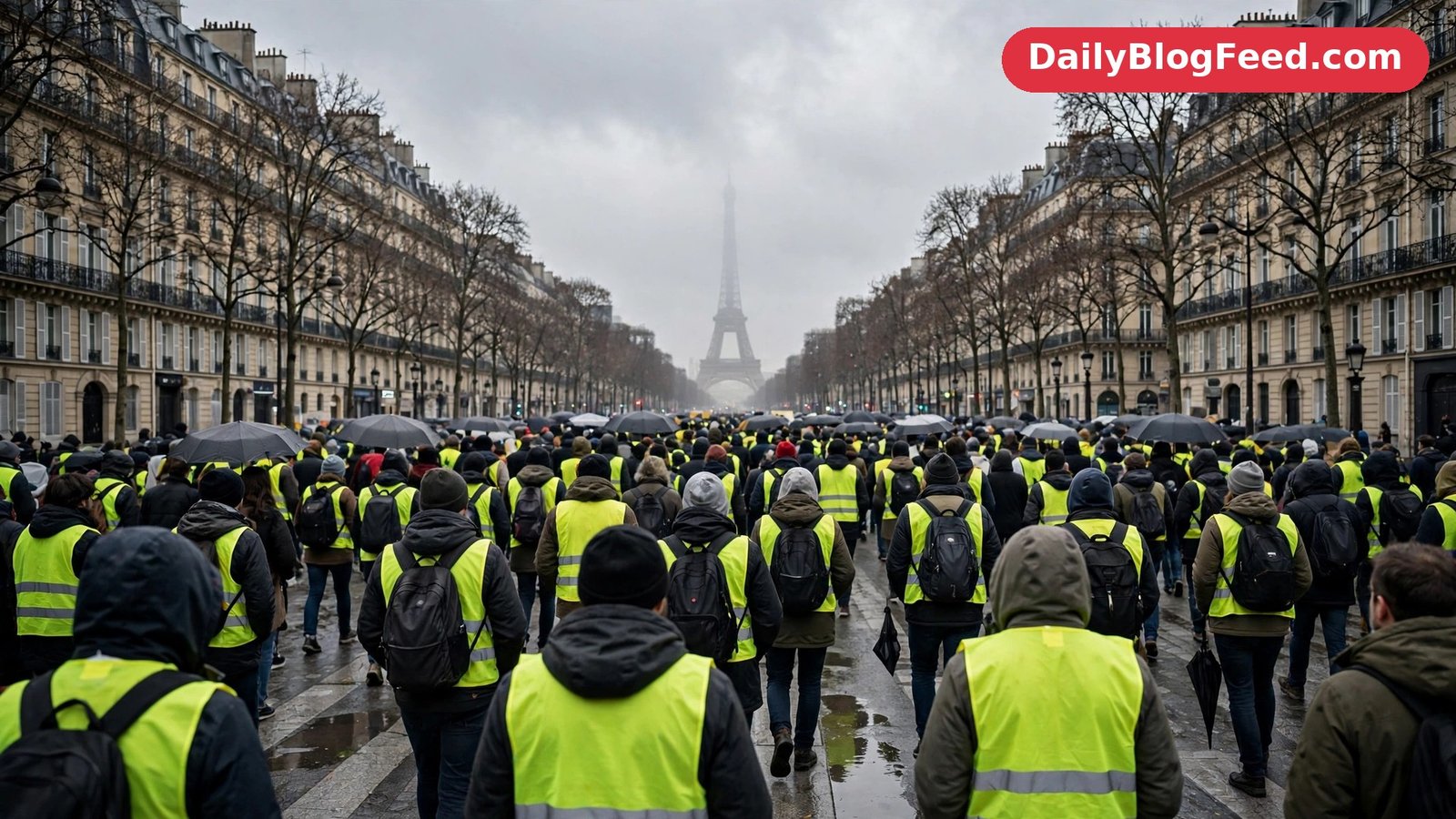
What Triggered the Protests
The current wave did not begin with fuel alone. Demonstrations started in mid-September as a student-led movement over conditions in schools, including teacher shortages, overcrowded classrooms and buildings in poor repair. Over several weeks, that campaign widened. Teachers, parents, trade unions, workers, farmers and retirees joined, and the demands broadened to include household bills, wages, public service cuts and the price of petrol and diesel.
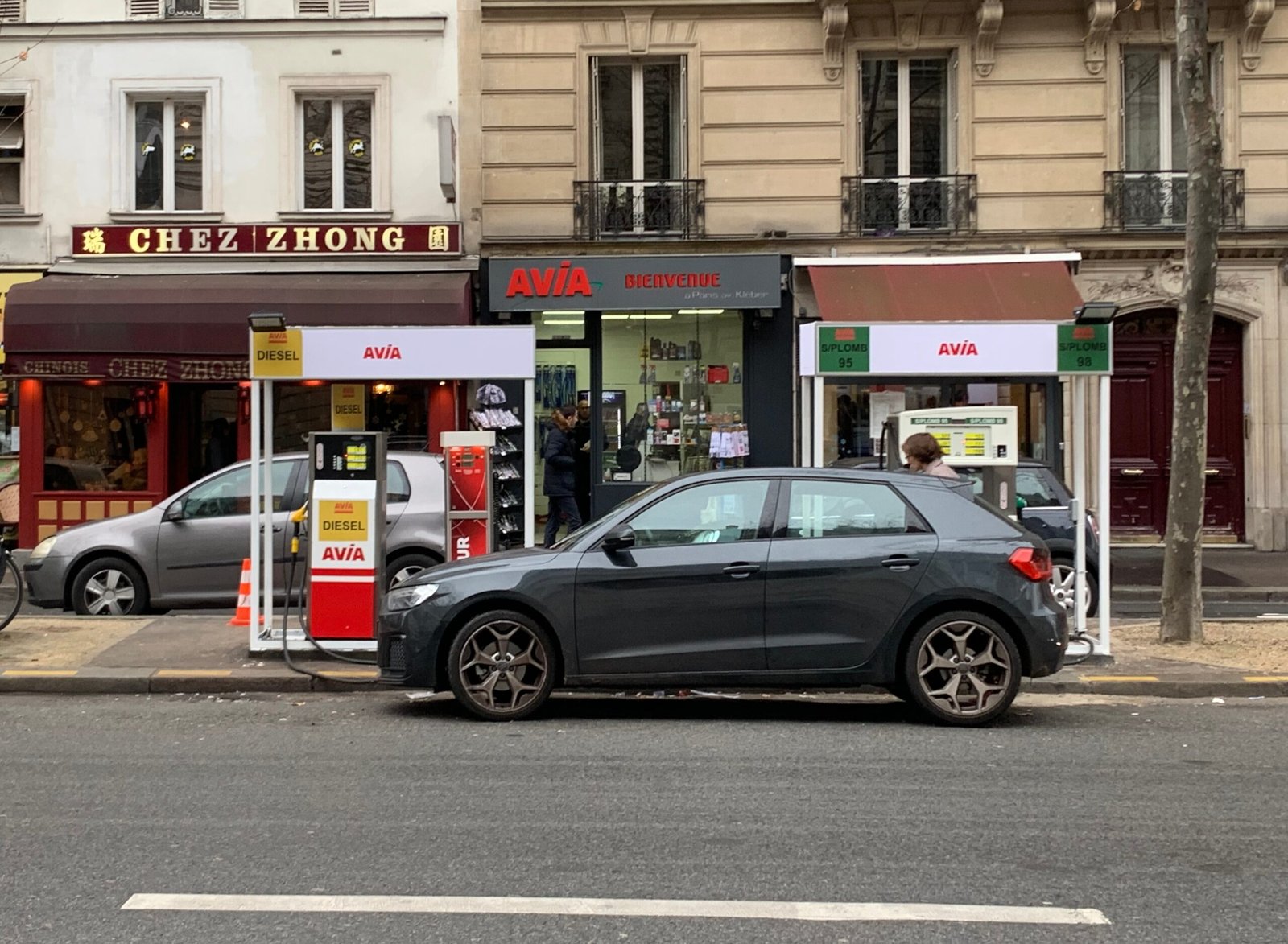
Fuel has become the most visible part of that anger, because the increases have been steep. Annual inflation in France was 3.4 percent in September, according to Eurostat, while fuel for personal transport rose by 37 percent over the year. France’s statistics office, INSEE, put the rise in diesel at 44.1 percent and heating oil at 64.6 percent.
The return of the Yellow Vest name has added to the sense of a wider revolt. The movement first emerged in 2018 as a protest against rising fuel taxes and expanded into a broad campaign over living costs. Its supporters have filed plans for a march through central Paris this Saturday, while the student union UNEF has also called for rallies that day.
On Saturday, 17 October, the protests reached a national scale. France’s interior ministry estimated that about 550,000 people took part in 110 marches across the country, according to Reuters, while organisers put the figure at around 800,000. Most demonstrators were peaceful, but violence broke out on the fringes in several cities, producing some of the worst urban disorder France has seen in years.
Where the Unrest Has Spread
Unrest was reported in Paris and in cities including Limoges, Lyon, Marseille and Nantes. In Limoges, a fire severely damaged the historic town hall, which opened in 1883. The regional prefect, Maurice Barate, told AFP the roof had collapsed and described the damage as a catastrophe for the city’s heritage. Elsewhere, authorities reported damage to shops, attempts to enter municipal buildings and clashes on the edge of demonstrations, with police using tear gas and water cannon in some places.
Official tallies changed as counts were updated. Initial reports spoke of hundreds of arrests. By Wednesday, Justice Minister Gerald Darmanin said around 2,500 people had been taken into custody following the 17 October protests, with 917 suspects referred for prosecution and 174 people already jailed, according to Reuters. Other official figures from the same period put injured police officers at close to 1,000.
In a televised address after the weekend, Macron spoke of public “anger and shame” and drew a distinction between the legitimate demands of peaceful marchers and the destruction carried out by others. He announced no change of policy and did not declare a state of emergency. Opposition figures and union leaders said the speech did not answer the grievances over prices and services.
Investor concern has added to the pressure. French borrowing costs rose this week, pushing benchmark 10-year bond yields to 5 percent, their highest since July 2002, according to Reuters, amid worries that unrest could complicate efforts to repair strained public finances.
The Government Response and the Foreign Criticism Row
The government’s response has run on two tracks: security and talks. Prime Minister Sebastien Lecornu convened an emergency meeting and met union leaders in an effort to defuse the crisis, but the talks ended inconclusively. Sophie Binet, head of the CGT union group, said there had been “no consideration whatsoever of our demands”, according to Reuters, and confirmed that unions would press ahead with a general strike on 5 November to denounce the high cost of living and cuts to public services.
Ministers have also promised 3,000 substitute teachers for understaffed schools and a freeze on proposed increases in university registration fees. Macron has said the government is working with fuel distributors on prices and pursuing energy deals on his Gulf tour. A second night of local curfews passed without major incidents, according to Reuters, and ministers have promised a much larger security operation this Saturday, with additional police and troops expected.
“Those who want to cause disorder in city centres next Saturday will be prevented from doing so,” Macron told reporters in Qatar, according to Reuters. He said he would meet intelligence officials and senior ministers on Thursday to discuss the crisis.
Macron’s sharpest words on Wednesday were reserved for foreign commentators. He accused some foreign leaders of spreading misinformation about what had happened and of seeking to make political capital at France’s expense. Reuters reported that US President Donald Trump had blamed immigrants and radical Islam for the turbulence, without providing evidence, and had presented it as a warning for Americans. Asked whether he was referring to Trump, Macron replied, “Among others”, according to Reuters.
“There was foreign disinformation in the aftermath, which prompted comments that were as unacceptable as they were stupid from many people, including foreign leaders,” Macron said, according to Reuters.
At home, criticism has come from both ends of the political spectrum ahead of next year’s presidential election. Far-right leader Marine Le Pen told Franceinfo radio that “the government has lost control of everything”, according to Reuters. The hard-left France Unbowed party, which has denied allegations that it fuelled the unrest, criticised plans to deploy troops, saying demonstrators should not be treated as an enemy within. Protests over living costs have also been reported in Italy, Belgium, Spain and Portugal, and students demonstrated in Greece on Wednesday over education funding.
What Happens Next
The immediate test comes this Saturday, when UNEF rallies and a planned Yellow Vest march through central Paris are due to take place under a reinforced security operation. Macron’s meeting with intelligence officials and senior ministers on Thursday is expected to shape that operation and the government’s wider response.
Beyond the weekend, unions have set 5 November for a general strike, and talks between the government and labour groups have so far produced no breakthrough on wages and public services. Whether further concessions on fuel prices, school staffing or household costs follow will likely decide whether the movement loses momentum or grows. For now, the government is promising order on the streets while insisting that peaceful protest remains legitimate, and protesters and unions are signalling that, without concrete changes, they intend to return.