
November 28 is usually a day of flags and parades in Albania. This year, it ended in tear gas.
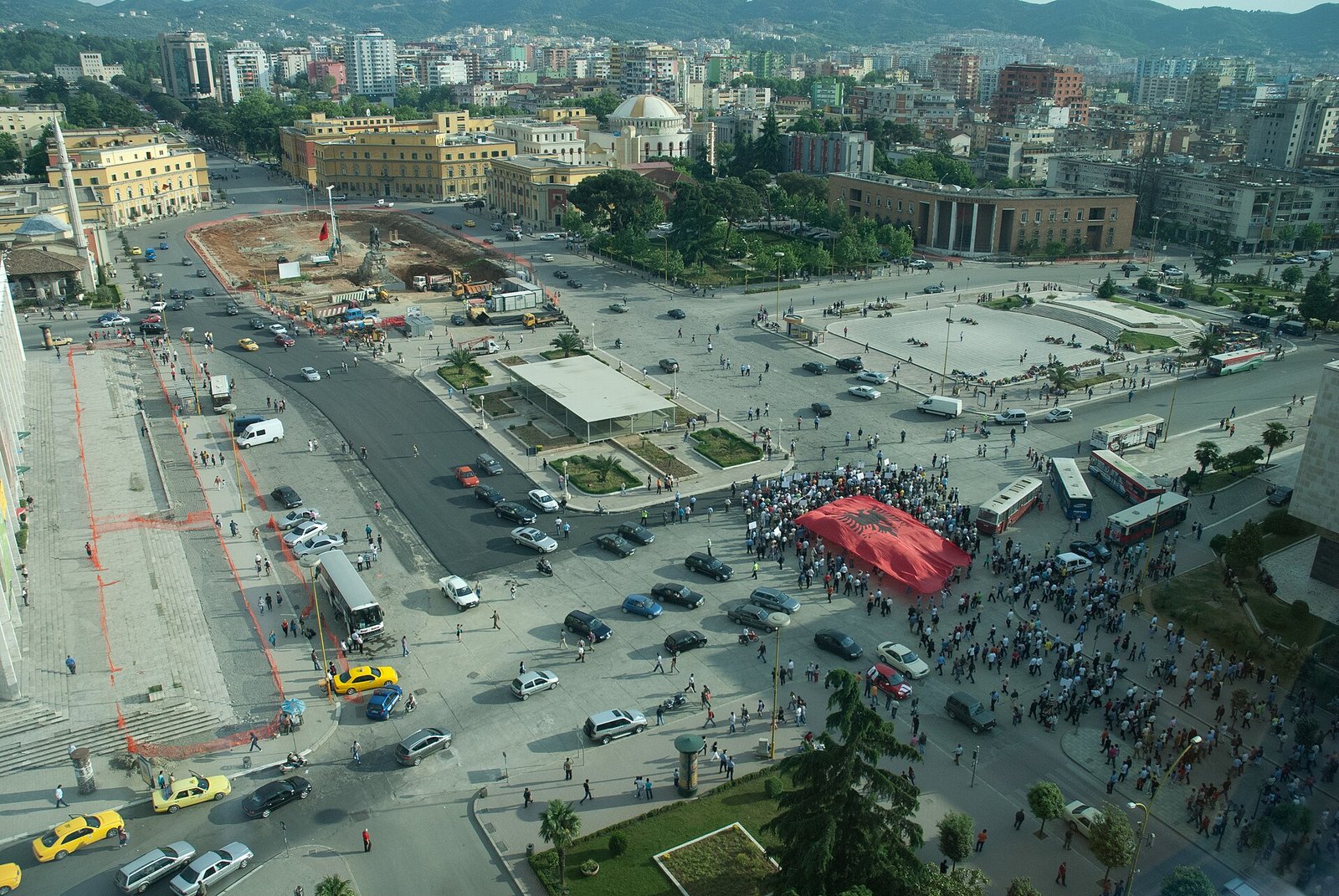
Thousands of people filled central Tirana on Saturday for a protest called by students and opposition parties, timed to the country’s Independence Day. What started as a peaceful march turned violent in the afternoon, with masked demonstrators smashing government building windows and police answering with water cannon, tear gas and rubber bullets. Albania’s health ministry said at least 35 people were injured, including police officers and journalists.
The crowd’s demand was simple, and it was on every banner: Prime Minister Edi Rama should resign.
A march that started peacefully
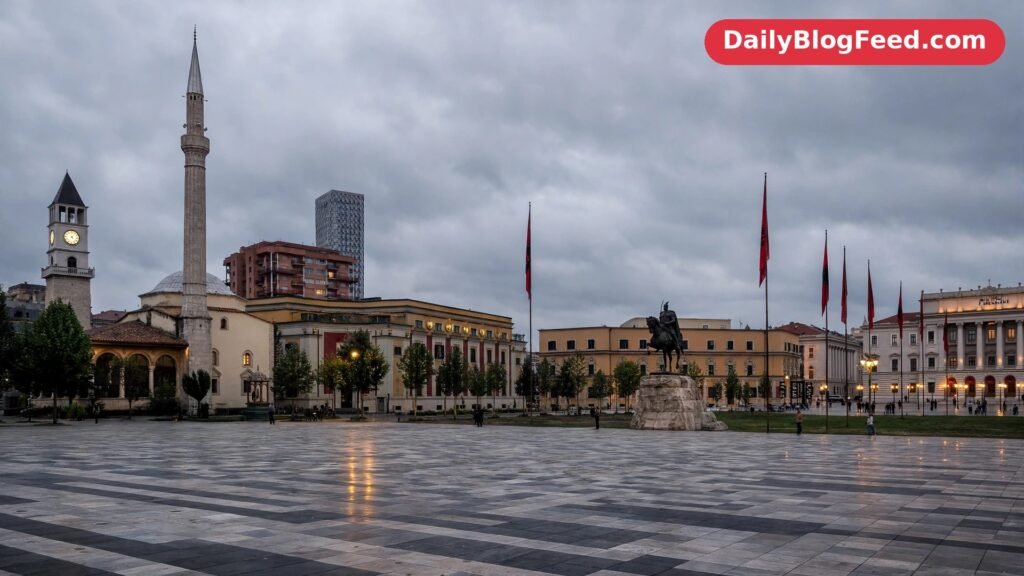
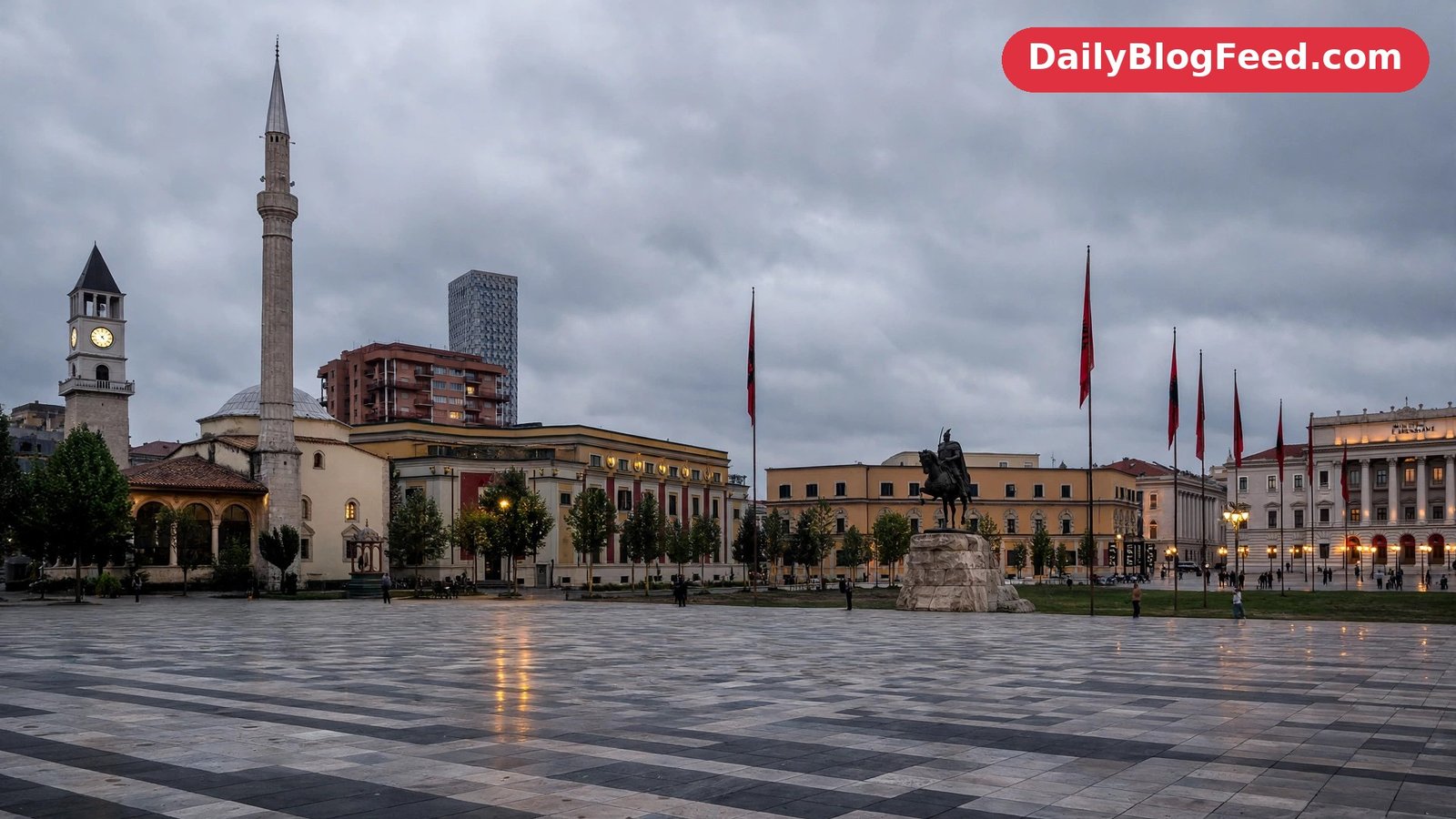
The protest began the way most of them do in Tirana these days — students gathering in the morning, walking toward Skanderbeg Square, chanting. November 28 marks the 114th anniversary of Albania’s declaration of independence, a public holiday normally spent celebrating. This time, students and opposition parties had both called for a nationwide protest instead.
For a while, it stayed calm. Then small groups of masked demonstrators broke away from the main march, according to Al Jazeera, and started smashing the windows of ministry buildings along the route and trying to break street cameras. Stones and petrol bombs flew toward police lines. Some protesters tried to push through to Rama’s office and were driven back, a Reuters journalist at the scene reported.
Police responded with water cannon and tear gas. Officers also fired rubber bullets at civilians on at least one occasion, AFP reported. The Straits Times, citing the same clashes, reported that demonstrators set at least one government building ablaze and that police also used pepper spray. The two sides fought for several hours in the streets around the government quarter.
The injury count climbed through the day. The health ministry said late in the afternoon that 17 people had been hurt. Later, the figure was updated to 35, including police officers and journalists, Al Jazeera reported. Nobody in the official counts was reported killed.
Authorities had tightened security before the march even started, stepping up checks on major roads into and out of Tirana as people travelled from other parts of the country — and from abroad — to join the rally, according to the Times of India.
Why students are on the streets
This wasn’t a one-off. Saturday’s protest is the latest in a long run of demonstrations against Rama’s government, and the movement behind it has been building for months.
It started in May, when peaceful rallies broke out against a luxury hotel project planned for a coastal nature reserve — a development linked to an investment firm founded by Jared Kushner, the son-in-law of US President Donald Trump. The protests picked up the name the Flamingo Revolution. By September, students had taken the lead, marching over education and living standards. Several of those rallies turned violent too.
Since then, the demands have widened. What began as a fight over a single building project and student conditions has grown into a broader call for Rama to step down, driven by anger over corruption and the cost of living.
Talk to the people in the crowd and the complaints sound less like slogans and more like household budgets. Tirana resident Suzana Gjeta, a retiree, told the Associated Press she was marching for young people and for people like herself “who are living on just 120 euros [$131] a month”.
“We hope this system will go, that Edi Rama will go and that this corruption will end,” she said.
A leader under pressure — but not a new one
Rama has been prime minister since 2013, making him Albania’s longest-serving leader in the democratic era. He has faced protests before, and survived them. What feels different this time is the shape of the movement: leaderless, driven by students, and now drawing in older Albanians and opposition supporters who might once have stayed home.
The students have kept the protests going for months without a single figurehead. That makes the movement harder to negotiate with — there is no one leader for the government to sit down with — and harder to stop. Each violent turn, though, also hands Rama’s supporters an argument: that the protests have moved beyond peaceful dissent.
Saturday’s clashes will test that argument. The students who called the march say their cause is peaceful; the masked groups who smashed windows and threw petrol bombs are, in their account, a fringe. The government, for its part, will point to the damaged buildings and injured officers as proof the protests have gone too far. Both versions will be argued over in the days ahead, and the truth, as usual, will sit somewhere between the two.
One thing is clear from the day itself: the turnout was large, the anger was real, and the holiday meant to celebrate independence became, instead, a day of confrontation in the capital’s main square.
What happens next
Nobody has announced the next march yet, and the movement has no leader to say when it will come. But the pattern of the past six months suggests it will — the protests have kept returning, bigger each time, and Saturday’s violence is unlikely to be the end of it.
The question now is whether the government tries a different approach: talks with student representatives, some concession on the hotel project, or simply waiting for the movement to tire. Rama has ridden out protests before. The students, though, have shown they can keep people on the streets month after month, and Independence Day gave them their biggest stage yet.
For now, Tirana is cleaning up broken glass. The deeper argument — about who the country is run for — isn’t going anywhere.
Sources: Reuters, Al Jazeera, Associated Press, The Straits Times, The Times of India. Related: EU Leaders Leave Brussels Without a Deal on Ukraine Loan or Long-Term Budget and Two Italians Killed in Kuwait Drone Attack, Iran Denies Responsibility