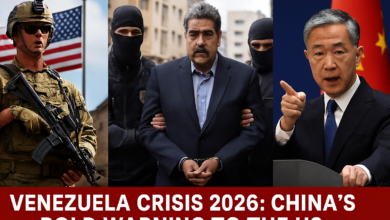
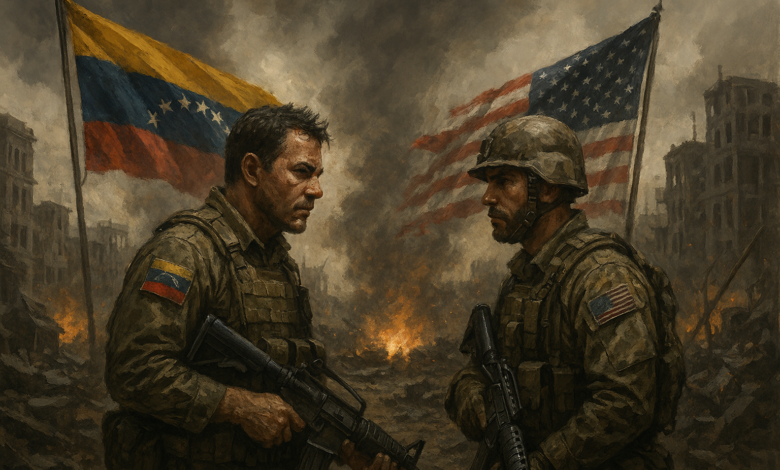
Venezuela–US Relations 2026: A Shock Turn No One Expected: The world woke up to shocking news on January 3, 2026. The United States had launched airstrikes on Venezuela and captured President Nicolás Maduro along with his wife Cilia Flores. President Donald Trump announced that U.S. forces executed a precise operation extracting the couple from Caracas and transporting them to New York to face long standing drug trafficking and narcoterrorism charges.
This unprecedented move marks a seismic shift in U.S Venezuela relations ending years of tension with direct military intervention. As someone closely following Latin American politics. I’ve been tracking this crisis for years. Today let’s break down the latest developments the backstory global reactions and what might come next. This is a fast evolving story so I’ll focus on the freshest updates as of January 4, 2026. READ MORE
The Breaking Events: What Happened on January 3?
In the early hours of January 3, explosions rocked Caracas and surrounding areas. U.S forces in an operation dubbed Absolute Resolve conducted airstrikes on military targets including airbases and ports allegedly linked to drug trafficking.
- The Capture: Special forces raided Maduro’s residence seizing him and his wife without significant U.S casualties. Trump posted images on Truth Social showing Maduro blindfolded aboard the USS Iwo Jima.
- Trump’s Announcement: At Mar a Lago, flanked by Defense Secretary Pete Hegseth and others Trump declared the U.S would run Venezuela temporarily until a proper transition. He emphasized exploiting Venezuela’s vast oil reserves inviting U.S companies to invest billions in rebuilding infrastructure.
- Charges Unsealed: U.S Attorney General Pam Bondi revealed indictments for narcoterrorism and drug conspiracies with Maduro’s bounty previously at $50 million.
By January 4, Maduro arrived in New York held in Brooklyn awaiting arraignment on Monday. Interim leader Delcy Rodríguez denounced the action as an invasion but has not mounted major resistance yet.
This isn’t out of nowhere tensions have escalated rapidly since Trump’s second term began.
Historical Context: From Sanctions to Military Action
U.S Venezuela relations soured under Hugo Chávez in the early 2000s, accusing the U.S of coup attempts. Under Maduro (since 2013) things worsened:
- Election Disputes: The 2024 presidential election was widely seen as fraudulent. Maduro claimed victory despite evidence favoring opposition candidate Edmundo González. The U.S and many nations refused to recognize Maduro’s third term starting in 2025.
- Sanctions Buildup: Trump’s first term imposed heavy sanctions on PDVSA (Venezuela’s oil company) and officials. Biden offered limited relief for fair elections but reinstated them post 2024 fraud. Trump’s second term intensified this designating groups like Cartel de los Soles (allegedly led by Maduro) as terrorist organizations.
- 2025 Escalation: U.S strikes on drug boats killed over 100, seized tankers and blockaded oil exports. A drone strike hit Venezuelan soil in late 2025.
| Key Milestones in U.S-Venezuela Tensions |
|---|
| 2019: U.S. recognizes Juan Guaidó as interim president: severe sanctions begin. |
| 2024: Disputed election: Maduro “wins” amid fraud allegations. |
| 2025: Cartel de los Soles designated terrorist group: naval buildup and boat strikes. |
| Late 2025: Ultimatum to Maduro: blockade intensifies. |
| Jan 3, 2026: Airstrikes and capture. |
The operation succeeded due to holiday timing and Venezuelan military leaves, per U.S officials.
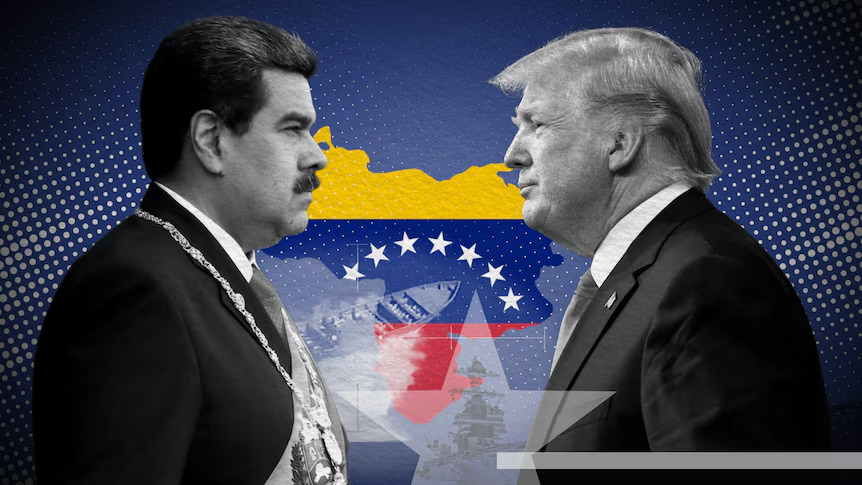
Global Reactions: Divided World Responds
The international community is split condemnations from allies of Venezuela cautious support or silence from others.
Condemnations and Concerns
- Latin America: Brazil’s Lula called it an unacceptable line and dangerous precedent. Colombia’s Petro mobilized border troops fearing refugee influx. Mexico and Cuba strongly opposed.
- Global Powers: China and Russia condemned it as aggression violating sovereignty. UN Security Council meeting scheduled for Monday.
- Others: Many left leaning governments decried “imperialism.”
Support or Relief
- Opposition Supporters: Venezuelan diaspora celebrated in Miami, Madrid and elsewhere. Opposition leaders like María Corina Machado (Nobel Peace Prize winner) and Edmundo González welcomed the change.
- Some Allies: Argentina’s Milei cheered “liberty advances.” Israel and a few others supported removing a “dictator.”
- Mixed: UK’s Starmer said no tears for Maduro but upheld international law. EU nations varied.
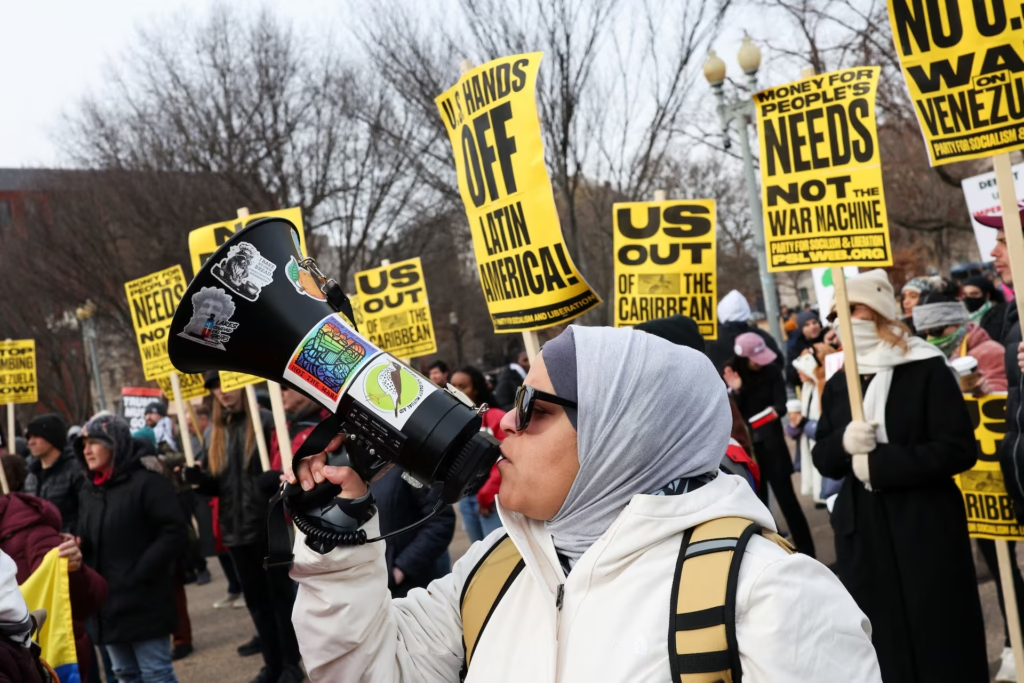
Protests erupted globally anti U.S in Paris and Havana, pro removal among exiles.
Oil and Economy: The Big Prize
Venezuela sits on the world’s largest oil reserves (over 300 billion barrels) but production plummeted under Maduro due to mismanagement and sanctions.
- Trump’s Vision: U.S companies to invest billions fix infrastructure boost output. Oil revenues to fund rebuilding and benefit Venezuelans (and U.S interests).
- Challenges: Infrastructure decayed heavy crude expensive to process. Companies like Chevron (already operating) may expand but others hesitant without security guarantees.
- Market Impact: Potential increased supply could lower global prices though uncertainty lingers.
Critics call this “oil grab” echoing historical interventions. READ MORE
Humanitarian and Migration Implications
Venezuela’s crisis displaced over 7.7 million people—the largest exodus in modern history.
- Current Fears: Chaos could spark new waves. Neighbors like Colombia and Brazil brace for refugees borders temporarily closed or fortified.
- U.S. Angle: Many Venezuelans in the U.S (especially Florida) celebrate, but worry for family. Immigration status uncertain under Trump’s policies.
- Hope for Return: Some exiles talk of going home if democracy restores.
The humanitarian emergency poverty and shortages—may worsen short term but improve if transition succeeds.
What’s Next? Uncertainty Ahead
As of January 4:
- Maduro in U.S custody trial looms.
- Venezuela quiet but tense—loyalists defiant opposition hopeful.
- U.S. “running” the country via proxies? Details unclear possibly involving opposition figures avoiding full occupation label.
- Risks: Resistance from Maduro allies, paramilitaries or foreign backers (Russia, Cuba). Potential for insurgency.
Long-term:
- Transition: Calls for free elections involving González or Machado.
- Rebuilding: Economic revival via oil sanctions relief.
- Regional Fallout: Strained U.S Latin America ties precedent for interventions?
This feels like history unfolding. Many Venezuelans suffered under Maduro’s rule economic collapse repression fraud. His removal brings relief to millions but the method raises profound questions about sovereignty and power.
Will this lead to genuine democracy or prolonged instability? Only time will tell. Stay tuned this story is far from over.
Is This the Dawn of Freedom, or the Beginning of a New Night of Blood and Fire?
As Caracas lies unnaturally quiet under a smoke choked sky Nicolás Maduro and his wife sit in a New York cell, far from the palace they once commanded. The world watches breathless. For millions crushed by years of hunger, repression and despair this feels like deliverance flags wave wildly in Miami and Madrid tears mix with cheers as exiles dare to dream of home.
Yet in the shadows danger stirs. Loyalist militias murmur revenge. Russian and Cuban shadows slip deeper into the jungle, whispering of hidden weapons. The military splinters along old fault lines while armed colectivos prowl the barrios knives gleaming. Vast oil fields that promise rebirth could just as easily become killing grounds. Refugees pack bags once more fearing a fresh wave of chaos.
History’s cruel lesson echoes toppling a tyrant rarely births instant peace. It often unleashes buried vendettas, betrayal and blood. Tonight, somewhere in the dark hills beyond the capital a single spark may already be flickering.