
Finland has granted an operating licence to Onkalo, the underground facility designed to become the world’s first permanent repository for spent nuclear fuel, waste-management company Posiva announced on Thursday, October 22. The decision caps more than four decades of research, planning and construction on a project that is being watched closely by governments around the world still searching for a lasting answer to one of the nuclear industry’s hardest questions: what to do with waste that stays dangerous for thousands of years.
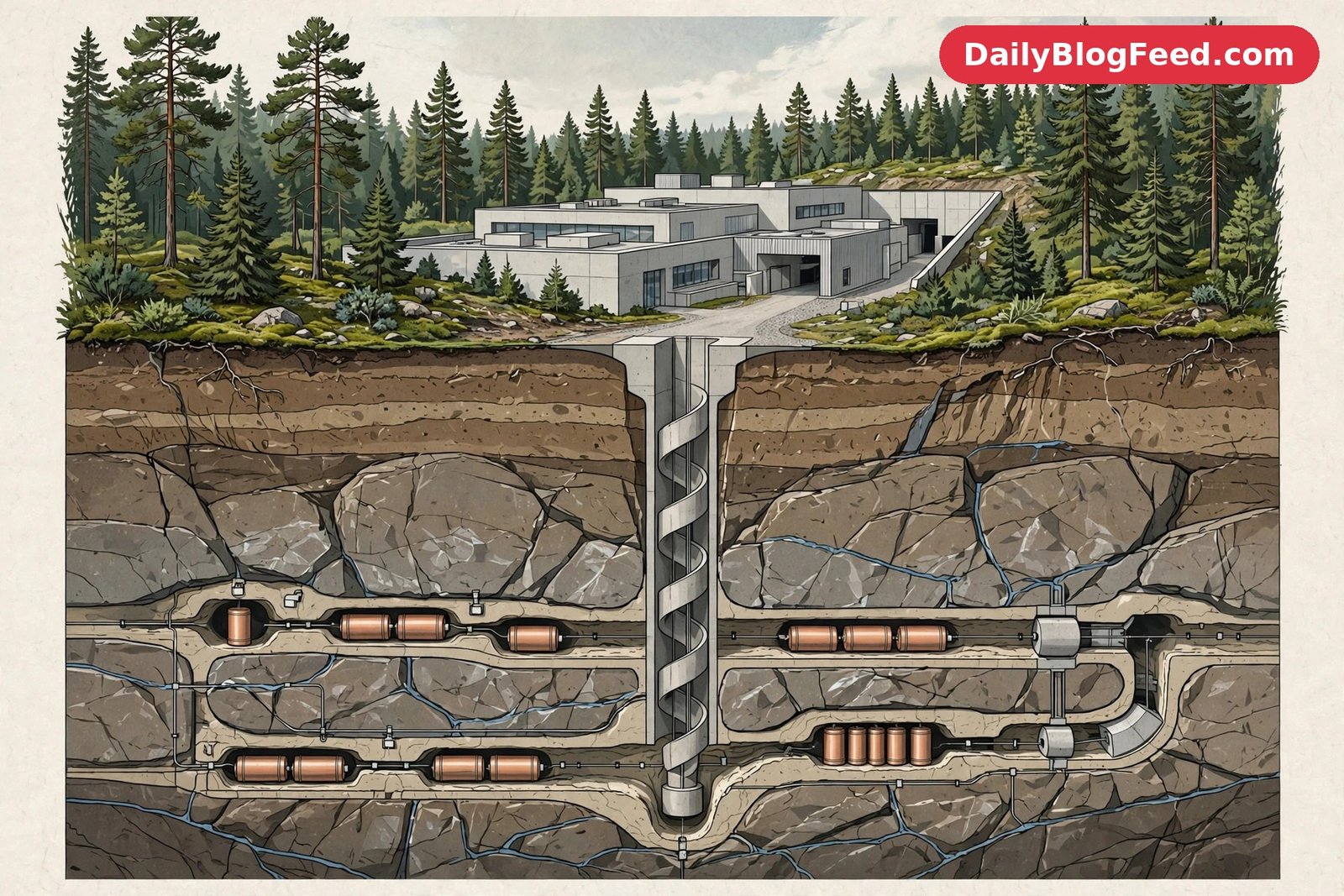
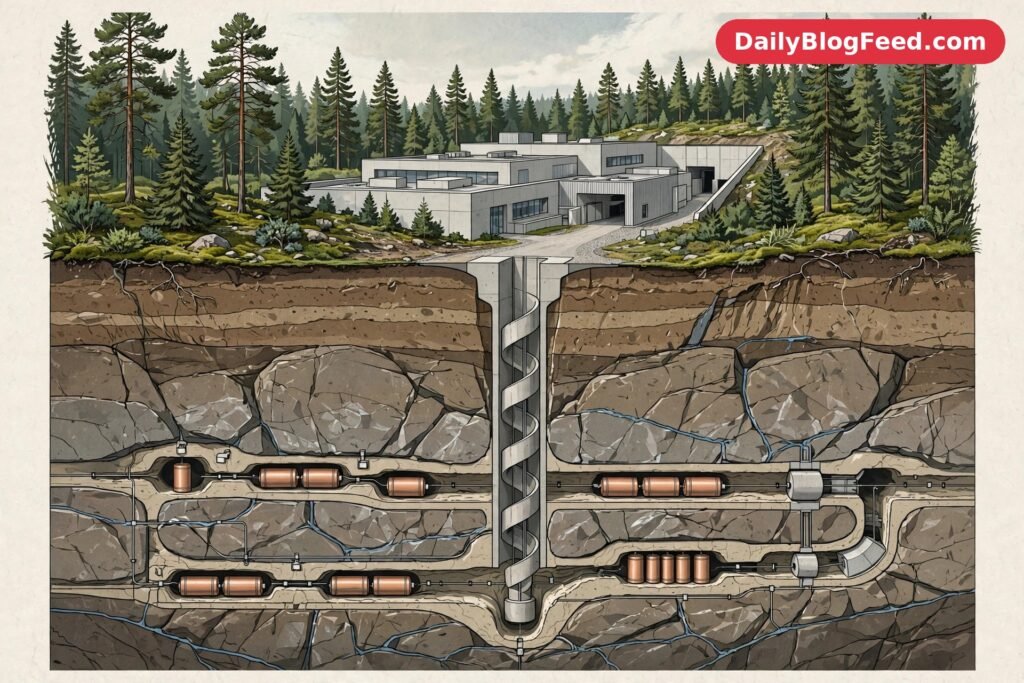
The licence covers both an encapsulation plant above ground and the final disposal facility deep below it, on the island of Olkiluoto in the municipality of Eurajoki in southwestern Finland. Posiva applied for the licence in December 2021, and Finland’s Radiation and Nuclear Safety Authority (STUK) delivered a favourable safety assessment in August 2026 after a review that stretched years beyond its original schedule. With the licence now granted, Onkalo becomes the first deep geological repository for commercial spent fuel anywhere in the world to reach this stage.
“This is a great and historic day for both Posiva and Finland,” the company’s chief executive, Ilkka Poikolainen, said in a statement, adding that the licence recognises the safety of the company’s operating methods.
What the licence allows
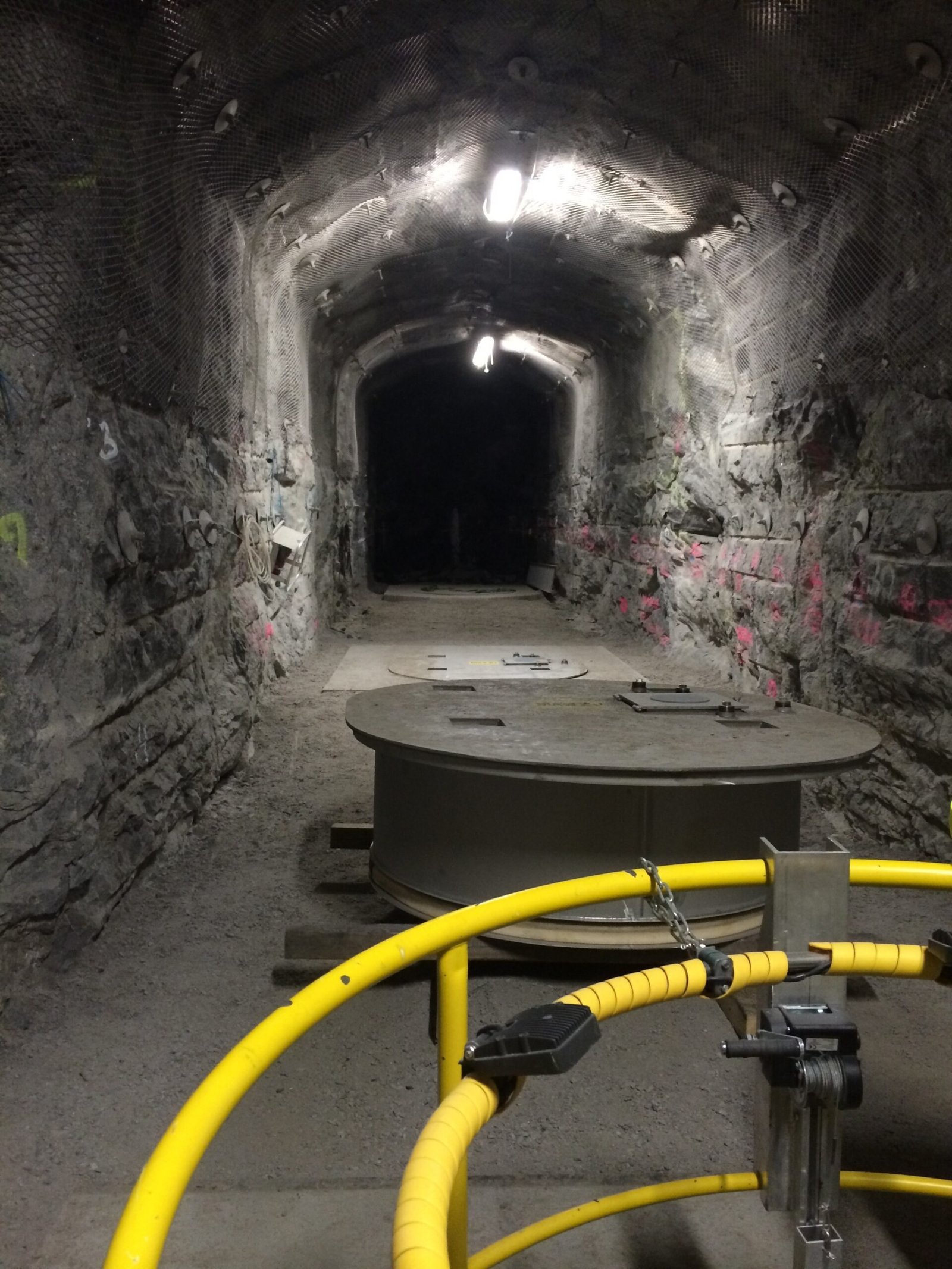
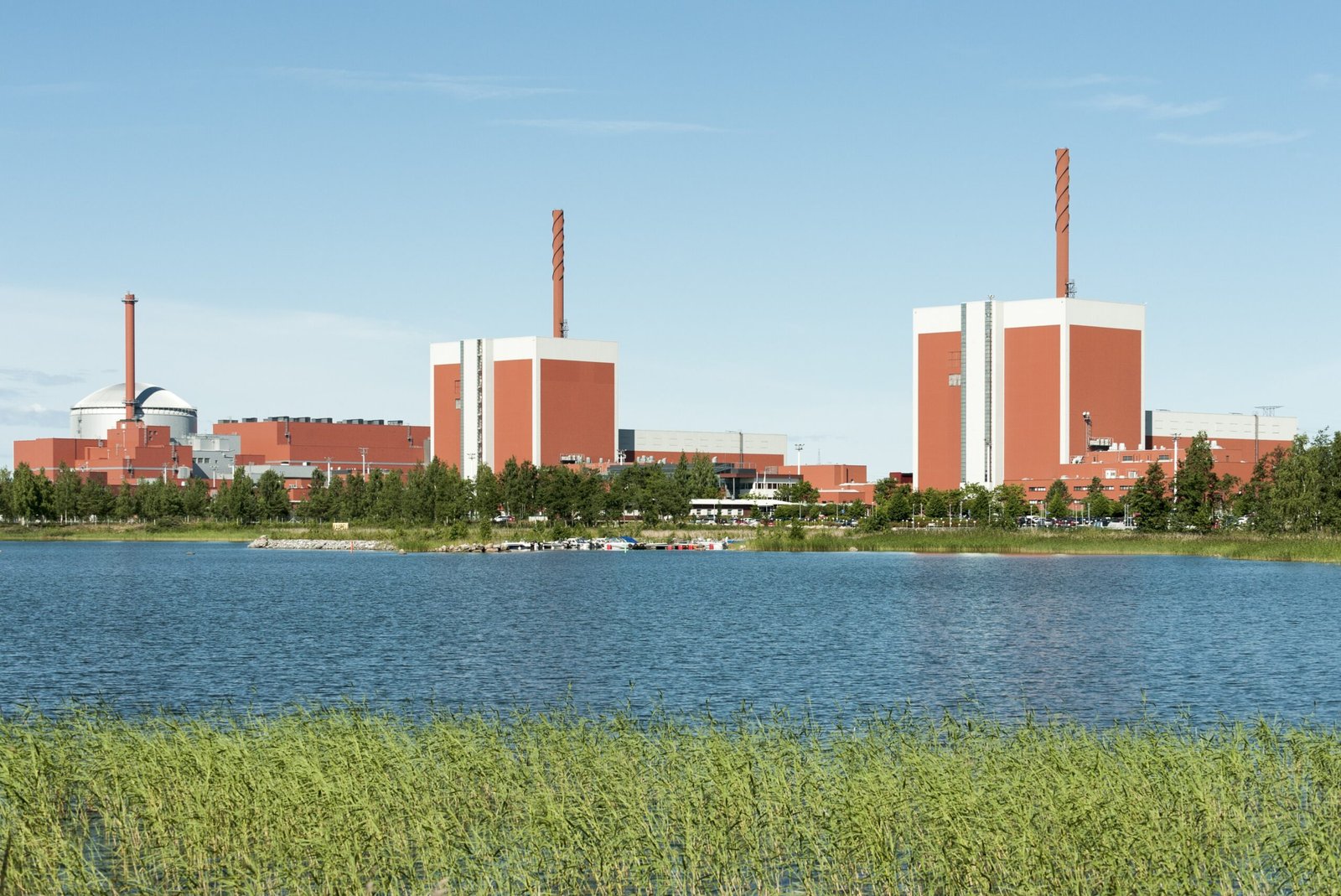
Under the licence, Posiva may encapsulate and permanently dispose of spent nuclear fuel from Finland’s five operating nuclear reactors — three at Olkiluoto and two at Loviisa — up to a maximum of 6,500 tonnes of uranium. The fuel is to be sealed inside canisters made of copper, chosen for its high resistance to corrosion, and lowered into holes drilled into the bedrock of the repository, some 400 to 450 metres below the surface.
Each canister will be surrounded by bentonite clay, a swelling material that seals gaps and slows the movement of water, and the tunnels will ultimately be backfilled and closed with steel-reinforced concrete plugs. The bedrock at Olkiluoto is about 1.9 billion years old and was selected for its long geological stability, which is central to the safety case for keeping the waste isolated from the environment for the vast timescales involved.
The Finnish government noted that the licence also covers the low- and intermediate-level waste generated by the encapsulation plant and the disposal facility itself, with strict volume limits, along with certain radioactive waste produced by Finnish healthcare and research institutions.
Not open yet: the final steps before disposal
Posiva stressed that the licence is not yet a green light to begin routine disposal. No start date has been announced, and the company has said only that the facility is expected to begin operations soon. Before the first real fuel canisters go underground, Posiva must finish a commissioning stage of tests and inspections, all of which STUK must verify and approve. The company says it is targeting operational readiness around the end of 2026.
“Before final disposal begins, Posiva will finalise the commissioning stage, carrying out the necessary tests and inspections which STUK also needs to verify and approve,” the company said in its statement.
This cautious phrasing reflects the extraordinary timescales at stake. According to Posiva, the spent fuel will remain highly radioactive for tens of thousands of years. After roughly 100,000 years, the radioactivity is expected to decline to about the level of the uranium ore from which the fuel was originally made. The entire repository concept is built around the idea that the waste must be isolated without requiring future generations to actively monitor or maintain it.
Finland’s Minister of Climate and the Environment, Sari Multala, described the licence as the result of more than 40 years of systematic work, saying the country will launch the first final disposal facility for spent nuclear fuel in the world.
Why this matters beyond Finland
Since the first nuclear power plants were built in the 1950s, countries have wrestled with the fate of their most dangerous by-products. Most of the world’s spent fuel currently sits in temporary storage — in pools of water at reactor sites or in dry casks — while politicians, scientists and communities debate permanent solutions.
Several countries are pursuing similar deep geological repositories. Neighbouring Sweden has a planned facility at Forsmark, and France is developing its Cigéo project in the east of the country. But Finland is expected to be the first to begin actual operations. The estimated cost of the Onkalo site is about $1.16 billion, a figure that covers construction, the encapsulation plant and the long development programme behind it.
The Finnish approach is notable not only for its engineering but for its political path. Site selection began in the 1980s, a decision in principle was made by the government in 2000, and construction of the underground research tunnel started in 2004. Local consent played a central role: the municipality of Eurajoki accepted the repository, a contrast with other countries where proposed sites have been stalled for years by community opposition.
What happens next
The immediate milestone to watch is STUK’s verification of the commissioning tests. Only once the safety authority has confirmed that the encapsulation plant and the underground facilities meet the licence conditions will Posiva be able to start the regular rhythm of encapsulation and disposal — a routine expected to continue for roughly a century as Finland’s reactors produce spent fuel.
Beyond that, the global significance of Onkalo will be judged by how the facility performs over the coming decades and whether other countries can follow Finland’s example. For now, Finland holds a unique position: it has licensed a final answer to a question that has shadowed nuclear power since its beginning.