

At least 68 people died when two high-speed trains collided in central Spain on Wednesday, October 28, 2026, according to regional authorities, making it Spain’s second fatal high-speed rail crash this year and Europe’s deadliest rail disaster since 2013.
The collision happened near Urda, in Toledo province, about 120 kilometres south of Madrid, on the Madrid-Seville high-speed line. A Renfe AVE service struck a stationary Iryo train shortly before 9 a.m. local time, according to officials. Castilla-La Mancha’s regional government put the provisional death toll at 68 in an official statement, while rescuers continued to search the wreckage for further victims as darkness fell.
Prime Minister Pedro Sanchez visited the crash site on Wednesday and announced three days of national mourning, from October 29 to 31. “Spain is in mourning today,” Sanchez said, expressing solidarity with the victims, their families, and those still receiving treatment in hospitals. “Behind each and every one of the people who have died today, there are broken lives, broken families, anguish also from those families who still do not know the whereabouts of their loved one.”
Sanchez pledged a thorough investigation. “We will get to the bottom of this. If there has been negligence, it will be known,” he said, according to Spanish news agency EFE. “If there have been failures in the security system, there will be a strong response.”
What officials say happened
Transport Minister Oscar Puente said the collision occurred after a Renfe service was authorised to proceed despite an active red signal, which had been issued because of a stationary train ahead. According to Puente, a computer communications failure in the signalling system had automatically stopped traffic, but an erroneous decision was then taken to restart the Renfe train.
Puente said the red signal was linked to a failure in the LZB safety system at the Atocha control centre, according to early assessments. He called the decision to clear the train to move “inexplicable,” while stressing that investigators had not yet established the cause of the accident.
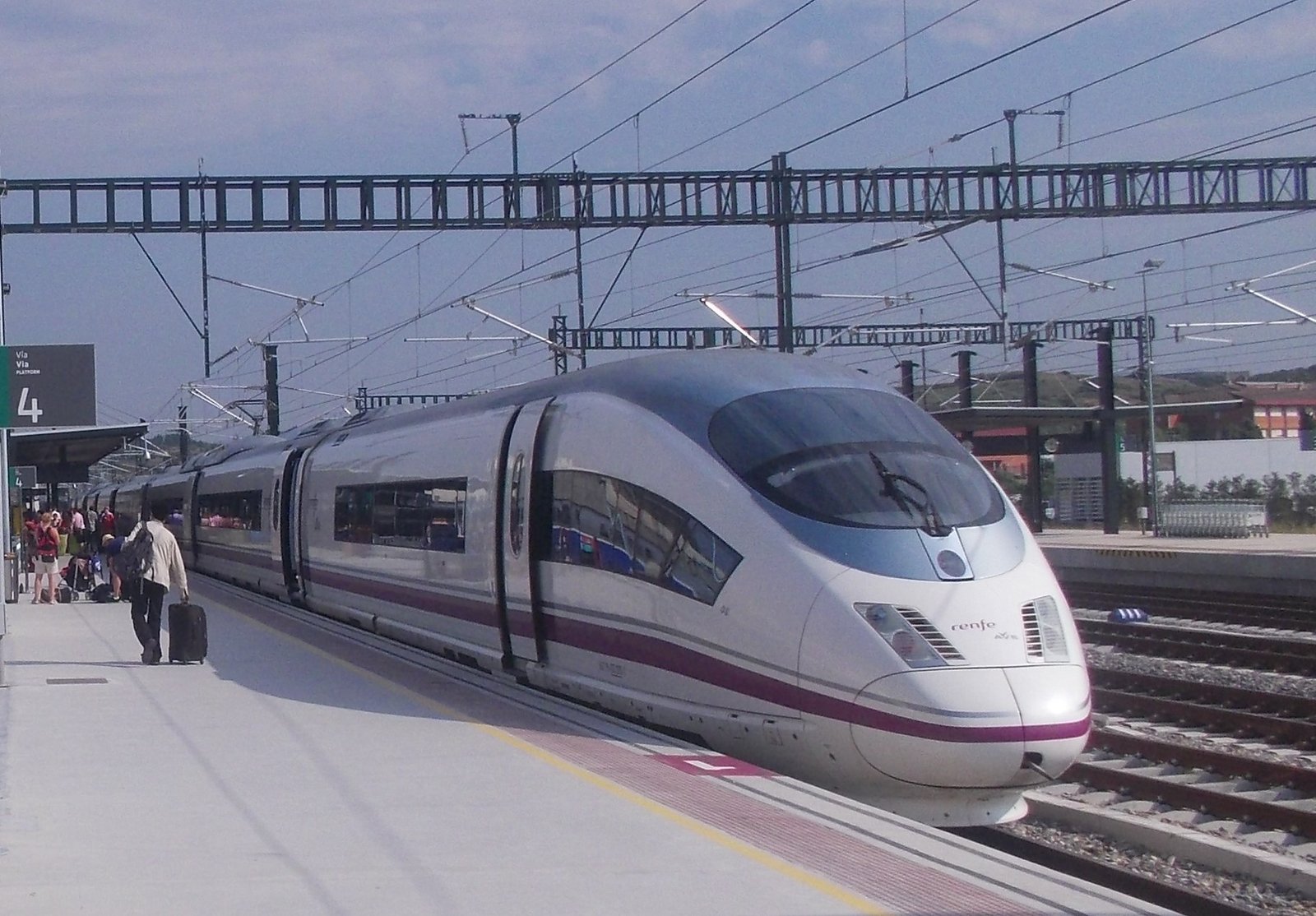
According to Renfe, its train continued its journey after receiving authorisation and struck the stationary Iryo service, which had remained halted for reasons not yet established. A Castilla-La Mancha government spokesperson said 147 people were aboard the Iryo train and 397 on the Renfe service at the time of the collision.
The impact derailed carriages of the Iryo service, with at least three plunging down an embankment, according to reports from the scene. Emergency teams, including ambulances, helicopters, and Civil Protection personnel, worked through the day at the rural site in Castilla-La Mancha. Health Minister Monica Garcia said 15 of the injured were in very serious condition, according to reports, while other outlets put the total number of injured at more than 100. The exact figures remain provisional while rescue and identification work continues.
The head of the regional government, Emiliano Garcia-Page, said the death toll had risen to 68 and warned that rescuers did not yet know whether further fatalities would be discovered once the carriages were moved. The toll had earlier been reported as 50 before being revised upward, and officials have cautioned that the figure could change again.
A second rail disaster this year
The Urda crash is Spain’s second fatal high-speed rail accident in 2026. In January, a high-speed crash near Adamuz, in Cordoba province, killed 46 people, according to the Spanish government. Sanchez noted that preliminary indications suggested the two accidents had different causes, but stressed that determining this was the responsibility of independent investigators and judicial authorities.
“It is unacceptable for a country like Spain to suffer two high-speed rail accidents in the same year,” Sanchez said. He pledged decisive measures to restore public confidence in Spain’s railway system if safety shortcomings were identified.
Opposition People’s Party leader Alberto Nunez Feijoo demanded “immediate” government and judicial investigations, insisting they be conducted “with all available resources and without interference.” Feijoo said Spain “has the right to know what is happening with its infrastructure,” calling for a comprehensive, independent review of the country’s entire railway network. He declined to discuss political responsibility for the disaster, saying it was not the day to do so.
Spain’s opposition party also cancelled campaign events for the day, ahead of elections next month, as the country entered mourning.
Investigation and safety questions
Several investigations are now under way. Sanchez said the investigation must establish what caused the collision, pointing to the Independent Railway Accident Investigation Commission, judicial authorities, and reviews by infrastructure manager Adif and operator Renfe. The statutory investigative body active in October 2026 is AITAT, the Independent Administrative Authority for the Technical Investigation of Railway, Maritime and Civil Aviation Accidents and Incidents.
Investigators will examine the signalling failure, the decision-making at the control centre, and why the Iryo train had stopped on the line. They will also review maintenance records, safety systems, and communications between controllers and train crews. Officials have urged the public not to prejudge the outcome while that work continues.
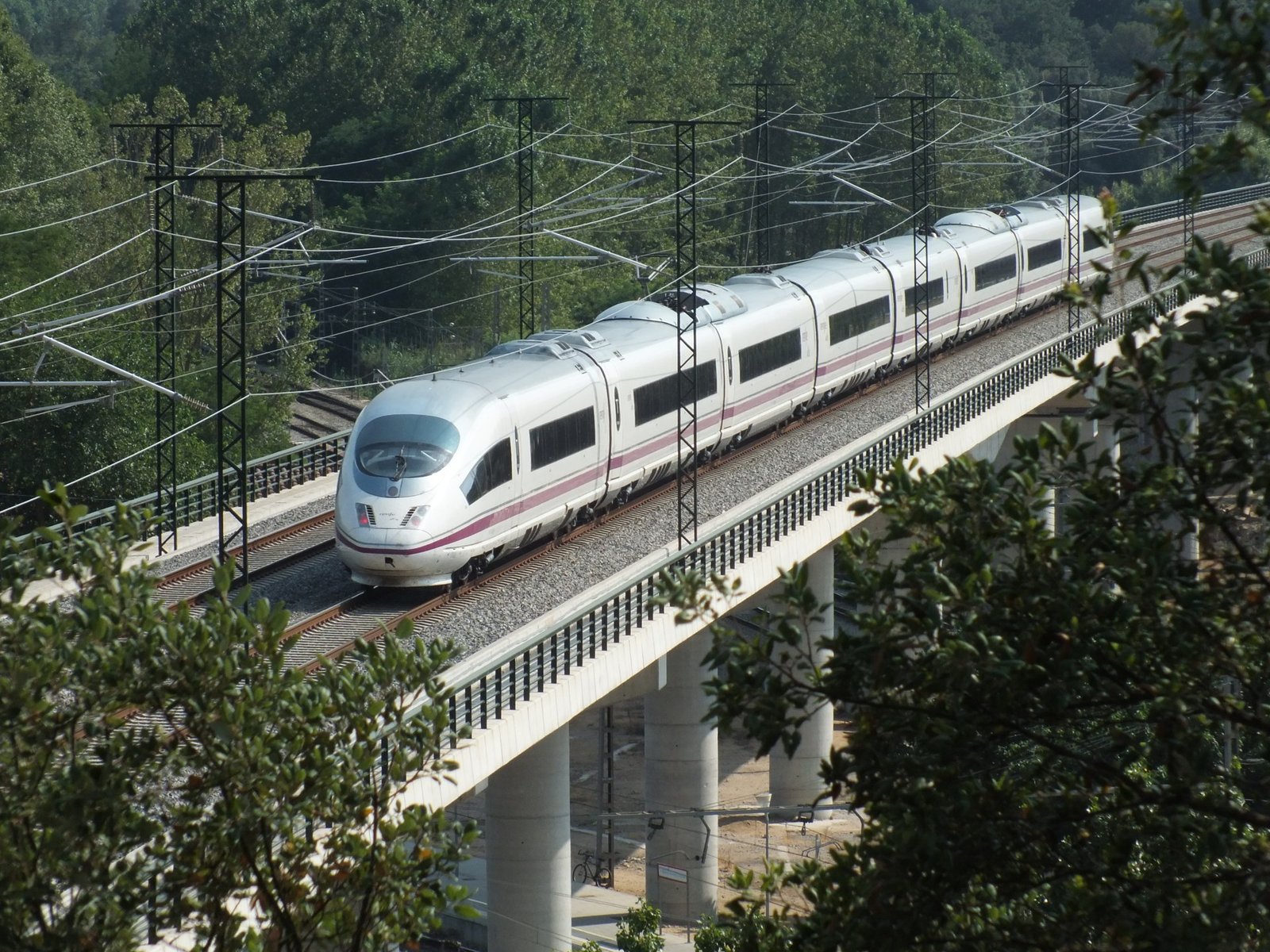
Spain’s high-speed rail network is one of the largest in the world, carrying millions of passengers a year, and it has long been regarded as a source of national pride. The Urda disaster, coming so soon after Adamuz, has therefore shaken public confidence and raised difficult questions about whether rapid expansion and cost pressures have affected safety oversight.
Rail unions and safety experts are expected to contribute to the debate in the coming days, but officials have said the priority for now is supporting victims and their relatives, including through material assistance and psychological care. Sanchez praised emergency services and Civil Protection personnel for their response, highlighting coordination between national, regional, and local authorities.
India’s embassy in Madrid also issued an advisory for Indian citizens travelling on the affected trains and their family members, sharing an emergency helpline, according to reports.
What happens next
The official mourning period runs from October 29 to 31. In parallel, investigators will begin the detailed technical work of reconstructing the sequence of events, a process that typically takes months before a final report is published. Interim findings may emerge sooner if investigators identify an urgent safety issue that requires immediate action.
For passengers, the key question is what changes Renfe and Adif will make to signalling procedures and control-centre decision-making. Sanchez has promised a strong response if negligence or safety-system failures are found, and Feijoo’s call for a network-wide review suggests political pressure for broader reform will grow. For the families of the victims, however, the immediate days will be defined by funerals, identification procedures, and the search for answers about how a routine journey ended in tragedy.
Sources: Reuters; Anadolu Ajansi; EFE; RTVE.