
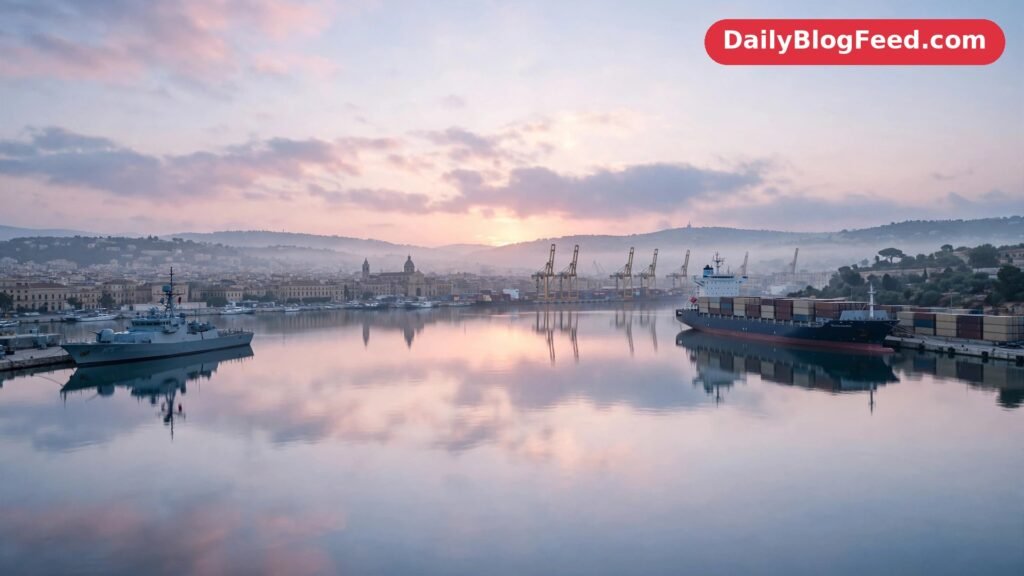

It happened about 2,400 kilometres from the nearest front line in Ukraine. Before dawn on Sunday, seven small sea drones slipped toward two Russian ships in a Libyan port. By Monday morning, Ukraine’s president was claiming one of the boldest strikes of the war.
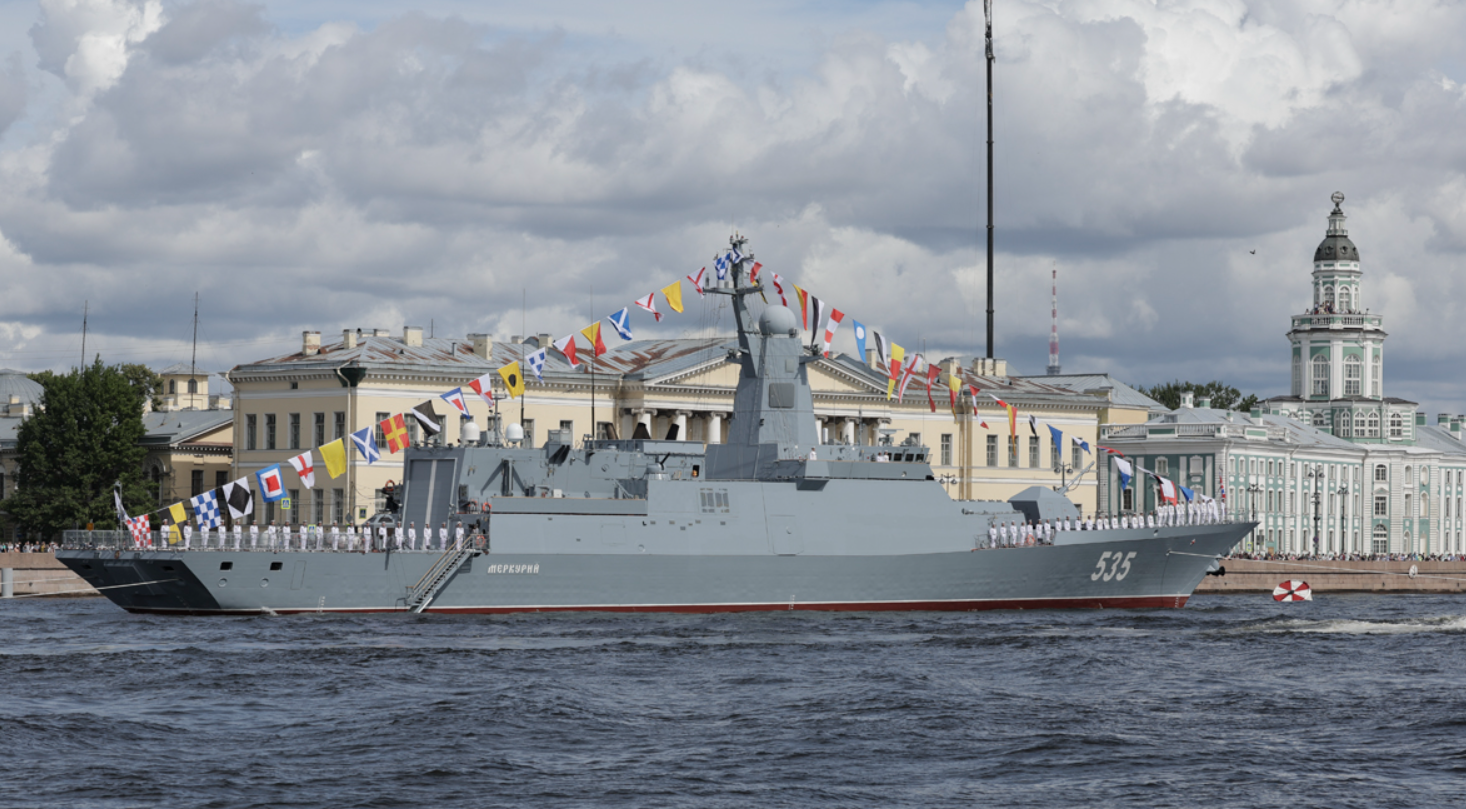
President Volodymyr Zelenskyy said Ukrainian forces sank the Russian corvette Merkury at the Benghazi naval base in eastern Libya and hit a second ship, the cargo vessel MV Angara, off the coast. If the claim holds, it is the first time Ukraine has struck a Russian warship inside a foreign port — and a sign the war at sea is reaching far beyond the Black Sea.
Not everything about the attack is settled. Libya says the warship was badly damaged, not sunk. Russia has said almost nothing. Here’s what is known, and what isn’t.
Seven drones, two ships
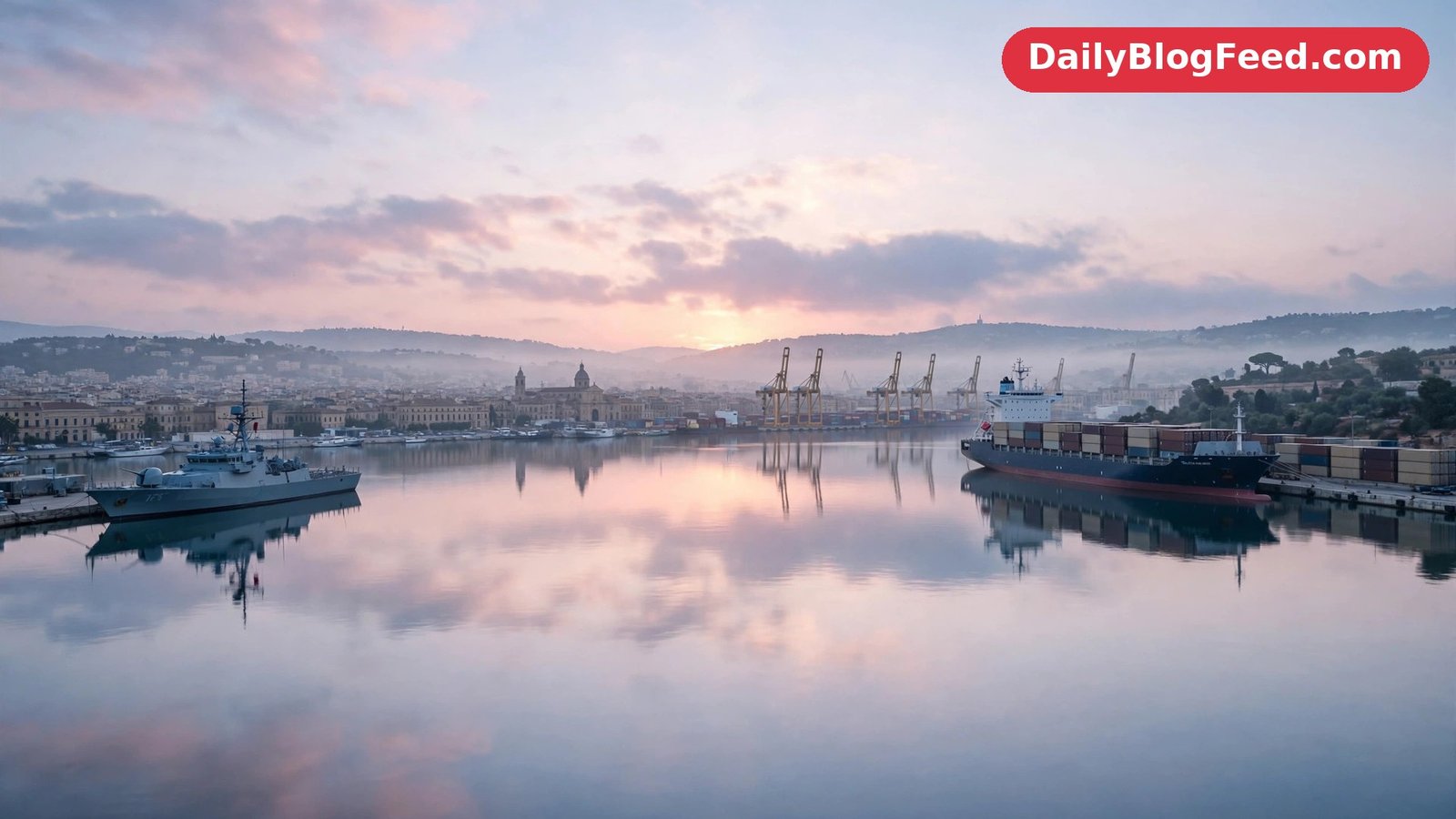
According to Zelenskyy, Ukrainian forces deployed seven Ukrainian-made naval drones in the operation on Sunday, November 22. He said the main target was the Merkury, one of Russia’s newest warships, and the second was the Angara, which he said Russia used to transport weapons.
“It all took place off the coast of Libya. Our warriors deployed seven Ukrainian-made naval drones,” Zelenskyy wrote in a post on X on Monday.
The attack came in two parts. The first strike, carried out at dawn, hit the Merkury while it was docked inside the naval base at Benghazi, a port controlled by the Libyan National Army of General Khalifa Haftar. Video shared online showed the vessel on fire, with a series of explosions following. Zelenskyy also said a Ka-27 military helicopter stationed on the corvette was destroyed.
The second strike hit the Angara, a dry cargo vessel, off the Benghazi coast. Ukraine’s Security Service, the SBU, said the Angara was under sanctions and was used to transport Russian military equipment, while the Merkury regularly escorted Russian naval convoys, including guarding the Angara itself.
A Ukrainian military official told The Wall Street Journal that a Ukrainian team had launched the explosive-laden drones from a “mother ship” in the Mediterranean, after months of studying the movements of Russian warships and commercial vessels. The official said the drones came under fire from helicopters and automatic weapons mounted on motorboats before they reached their targets.
At least 10 people, including Libyan and Russian nationals, were wounded in the attack, one Libyan official told AP. Eastern Libya’s health ministry said all crew members from the cargo ship had been rescued and were receiving treatment.
Sunk or damaged? The two versions don’t match
The biggest gap in the story is the fate of the Merkury itself.
Zelenskyy was categorical. He said the warship sank, called the operation “exemplary” and said “the targets we set were achieved.” In an address to NATO’s parliamentary assembly on Monday, he put it this way: “We hit back when Russia attacks us. And today, Russia can feel our response all the way from Western Siberia, where its oil refineries are burning, to the coast of Libya, where its warships are sinking.”
Libyan officials told AP something else: the corvette was severely damaged, not sunk.
This kind of gap is normal in the first days after a strike at sea. Warships can look afloat and still be a total loss, or look wrecked and still be repaired. What is not in doubt is that the Merkury was hit, that it caught fire, and that people were hurt. Whether it went to the bottom, as Zelenskyy claims, will take days — and probably independent satellite pictures — to settle.
The Merkury is a small but modern warship, built in Russian shipyards in 2023 and officially attached to the Black Sea Fleet, though in recent years it had operated in the Baltic Sea, according to Le Monde.
Why Libya, and why now
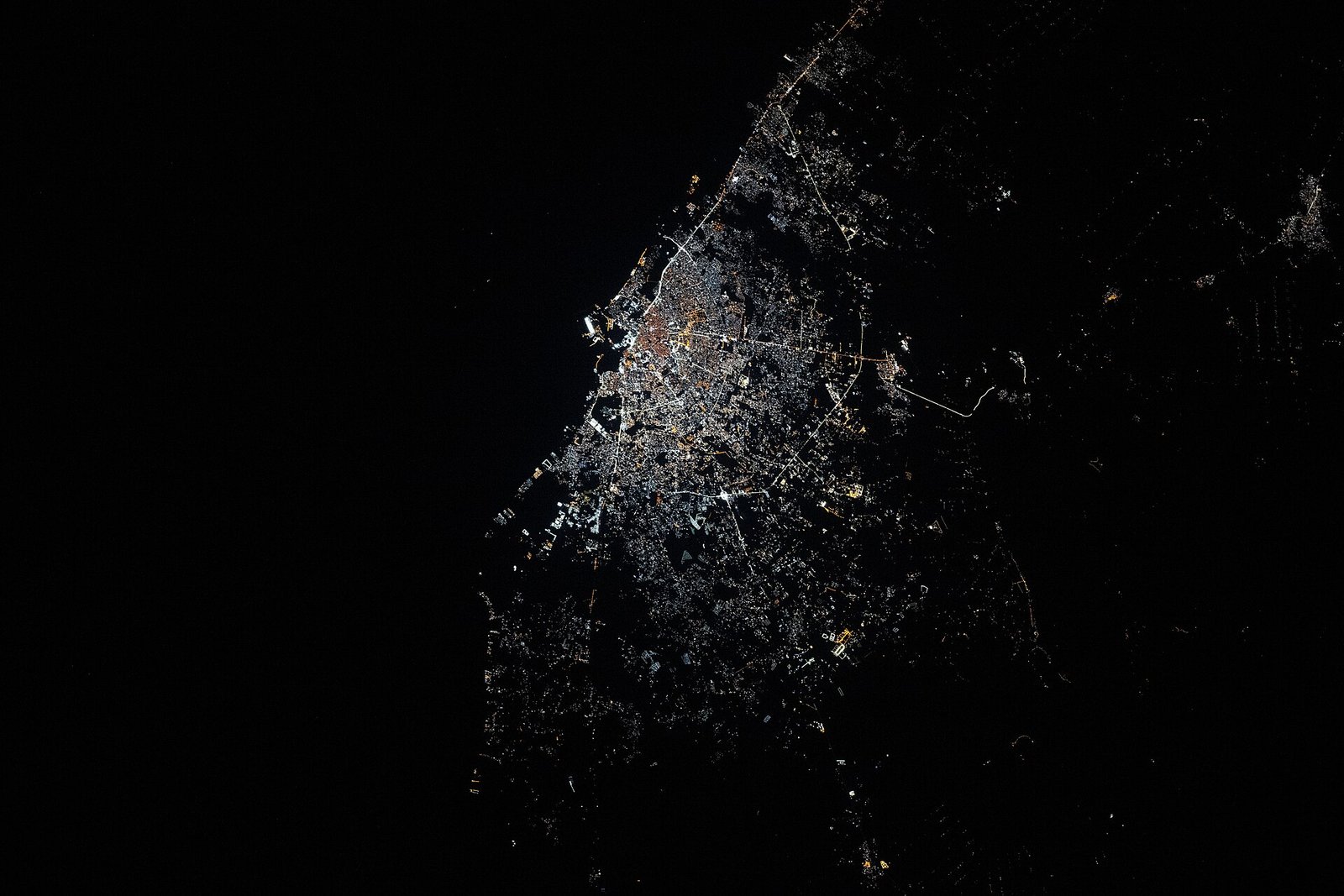
Libya was not a random choice. It has become one of the places Russia leans on most since losing its main base in the region.
After the fall of President Bashar al-Assad in Syria in December 2024, Moscow lost the sanctuary it had used for years in the eastern Mediterranean. Much of its military presence shifted to eastern Libya, where Haftar’s forces control the ports and airfields. Benghazi, Libya’s second-largest city, became a refuelling and supply stop for Russian ships moving between the Mediterranean and Africa.
The Benghazi attack was not the first of its kind this month. A day earlier, the Russian cargo ship Sparta II was struck by drones in the Gulf of Finland. In September, another Russian cargo ship under US sanctions, the Lady Mariia, was targeted between Cyprus and Crete. Al Jazeera reported that at least four Russian vessels have been targeted in November alone.
The reaction in Tripoli and Moscow
Libya did not welcome the attack. The country is split between two rival governments, and both of them condemned it.
The internationally recognised government in Tripoli said it was deeply concerned and stressed that Libya had not authorised any foreign military activity within its borders or territorial waters, and was not a party to the conflict between Ukraine and Russia. Its foreign ministry demanded immediate official clarifications from Kyiv about the nature and scope of the strike, and whether any Libyan territory, ports or facilities had been used to plan or carry it out.
The rival government in Benghazi, which controls the port where the attack happened, said Libyan ports, territory and territorial waters would not be allowed to become “an arena for settling scores or exporting international conflicts.”
Russia, for its part, said very little. The Kremlin said it had taken note of Zelenskyy’s remarks about the attack, without commenting further. Moscow has usually been quick to deny or downplay Ukrainian strikes on its forces. This time it did not deny the attack happened. It just didn’t say much about it.
What happens next
Three questions will decide how big this turns out to be.
The first is the simplest: what actually happened to the Merkury? If it sank, Ukraine has scored one of its most spectacular naval successes of the war, 1,500 miles from home. If it was only damaged, the strike is still serious — but the claim that started the story will have been overstated.
The second is whether Ukraine does it again. The operation took months of preparation, according to the Journal’s sources. Kyiv has shown it is willing to reach far beyond the Black Sea. Russia will now have to decide how much it spends defending ships and ports that used to be safe.
The third is Libya. The attack puts both Libyan governments in an awkward spot. Tripoli wants no part of the Russia-Ukraine war. Haftar’s camp in the east hosts Russian forces and now has a damaged warship in its main port. Neither side wants Libya to become a regular battleground for someone else’s war.
For now, the picture is clear on the basics and fuzzy on the rest. Seven drones went in. Two ships were hit. People were hurt. A warship burned in a Libyan harbour. Whether it sank, and what Ukraine does next, is still to be confirmed.
Sources: BBC; Associated Press; Al Jazeera; Le Monde; The Wall Street Journal.