
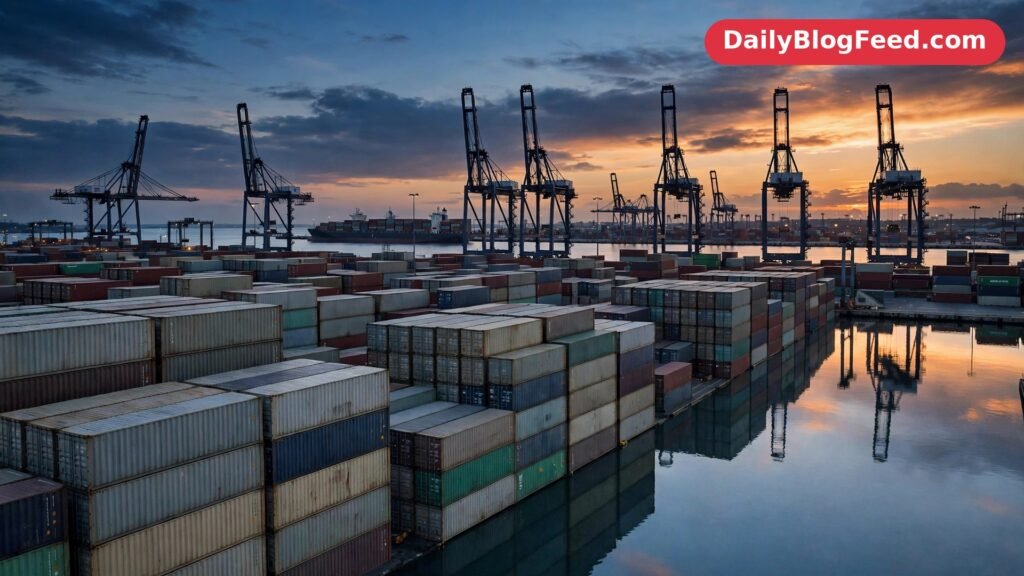

Washington is back in the tariff business. The Trump administration said on Wednesday, November 25, that it plans to put new import taxes on 14 major trading partners, pointing the finger at what it calls “structural excess capacity” — too much factory output, too many cheap exports, and not enough demand to soak it all up.
The announcement came from the Office of the US Trade Representative (USTR) after an eight-month investigation. It covers close allies as well as rivals: Japan, the European Union and South Korea are on the list right alongside China, India and Vietnam. And the timing matters. The move is the administration’s latest attempt to rebuild the sweeping global tariffs that the US Supreme Court struck down in February 2026.

China takes the hardest hit. A senior US official told Reuters that Chinese goods would face a proposed 20% excess-capacity tariff, on top of the roughly 25% in duties imposed during President Donald Trump’s first term. Vietnam would face a 20% rate too, according to the same briefing. The specific rates for every country were due to be published in a US Federal Register notice on Wednesday.
But the numbers come with ceilings. The official said the new duties would stay within the limits of trade deals the administration has already negotiated. For China, that means a 20% cap on tariffs imposed during Trump’s second term, under a year-old trade truce with Beijing that runs out on January 10. If that truce falls apart, the US Trade Representative said China’s rate could climb to 40%.
Who is on the list — and who is not
The probe looked at 16 trading partners in total. Tariffs were proposed for 14 of them: China, Bangladesh, Cambodia, the European Union, India, Indonesia, Japan, South Korea, Malaysia, Singapore, Switzerland, Taiwan, Thailand and Vietnam.
Two countries were left out for now. Mexico and Norway face no proposed duties yet because the investigations into their trade practices are still running, the USTR said, without giving a timeline for when those probes might finish.
The proposed rates differ quite a bit from country to country. According to the USTR, Cambodia, Indonesia, Malaysia, Thailand and Bangladesh would face capped rates of 18%. Japan, South Korea, Taiwan, the EU and Switzerland would be capped at 15%, including existing most-favoured-nation duties. Singapore would get a 10% cap.
India’s case is the messiest. New Delhi has not yet reached a trade deal with the Trump administration, so it would face a 17% rate if an agreement is finalised — and 25% if the talks fail. Vietnam sits in a similar spot: 20% with a deal, 35% without one.
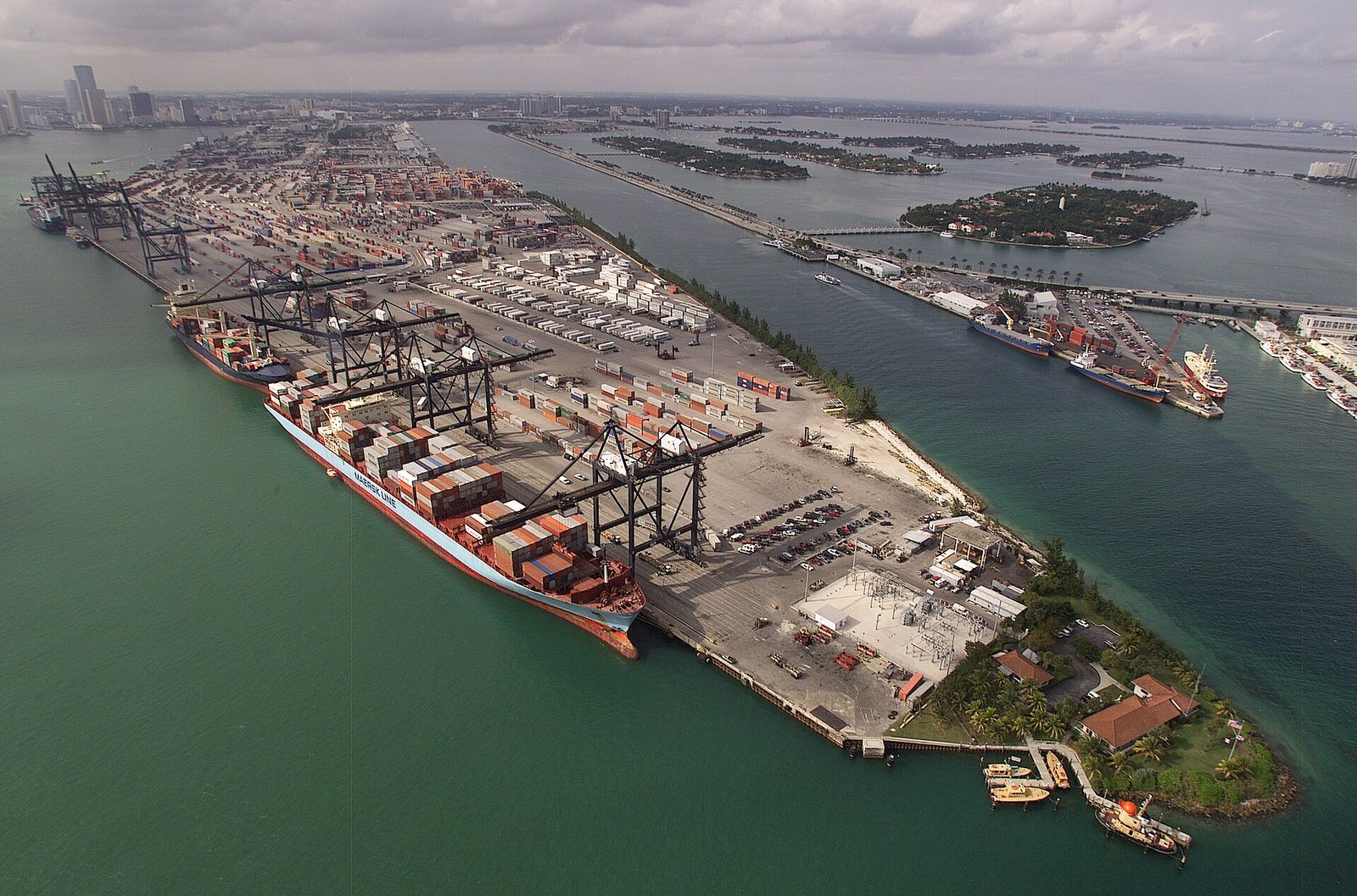
Washington’s argument is straightforward, at least on its own terms. The USTR defines structural excess capacity as countries “promoting production and capacity divorced from the realities of demand and market principles,” a senior official said — through industrial policies, subsidies, and components imported from non-market economies. The administration says China is the biggest offender, flooding world markets with steel, aluminium, electric vehicles, appliances and solar products.
Beijing does not accept any of it. “The so-called ‘overcapacity’ is a false issue, and China opposes using it as an excuse for political manipulation,” Foreign Ministry spokesman Guo Jiakun said. China has long said its exports reflect competitive advantages, not unfair practices. The probe also reached into Southeast Asia, where Washington says Chinese investment has been used to build factories in Vietnam, Indonesia and Cambodia — goods then shipped to the US market to get around earlier tariffs.
A familiar pattern, rebuilt piece by piece
This is not the first time Trump has tried this. In April 2025, shortly after starting his second term, he announced sweeping “Liberation Day” tariffs on countries around the world. The Supreme Court struck those down in February 2026. Since then, the administration has been rebuilding the tariff wall through narrower, legally separate routes.
The Section 301 route is one of them. Section 301 of the US Trade Act of 1974 lets the president impose import taxes and other penalties on countries found to engage in unreasonable or discriminatory trade practices. The investigation behind Wednesday’s announcement began in March and covered industries from steel and cars to computer chips and solar panels. USTR Jamieson Greer led the probe.
The official also said Washington did not expect Beijing to retaliate against the new duties. “We know that they don’t like these actions, but we are seeking stability with the Chinese. China is seeking stability with us,” the official said, adding that Trump’s meeting with Chinese President Xi Jinping last week was “really great” and that there had been progress on supplies of Chinese rare earth minerals in recent days.
Not everyone is convinced the calm will hold. US stocks fell on Wednesday as the tariff news landed, with tech shares leading a renewed sell-off. And at home, the politics look tricky: a Reuters/Ipsos opinion poll taken after November’s midterm elections — in which Republicans lost both chambers of Congress — found that 62% of respondents would support efforts to repeal the tariffs. The administration has acknowledged that its tariffs have contributed to higher prices on consumer goods in the United States.
Brazil gets hit too, and Europe takes note
The tariff package had a second part. Separately, the White House proposed a 10% tariff on finished aircraft made by Brazilian planemaker Embraer, whose jets are widely used by US regional carriers operating under brands including United Express, Delta Connection and American Eagle. The US also plans to raise duties on imports of Brazilian sugar above quotas, as part of an effort to push Brasilia to fix what Washington calls unfair trade practices.
In Brussels, the reaction was measured. “The EU takes note of the publication by the US of preliminary findings pursuant to its Section 301 investigation concerning structural excess capacity in manufacturing sectors,” European Commission spokesperson Olof Gill told Al Jazeera.
The senior US official said the new duties were expected to push more trade agreements over the line, possibly at a G20 leaders’ summit in Miami in December. Greer told CNBC the proposed caps were consistent with trade deals reached over the past year that also lowered barriers to US exports.
What happens next
Nothing takes effect right away. The proposed duties will go through a public notice and comment period, with a hearing scheduled for January 25, before they can come into force. That could push implementation into January.
Between now and then, expect a rush of lobbying. Affected countries can challenge the findings, and several — India and Vietnam among them — still have live trade negotiations with Washington where the final rate will depend on whether a deal gets done. China, meanwhile, watches a January 10 deadline: the trade truce expires that day, and with it, the 20% cap on its rate.
The bigger question is whether this round of tariffs survives where the last one did not. The Supreme Court killed the sweeping version in February. The administration is betting that a slower, probe-by-probe approach — with hearings, published findings and deal-based caps — holds up better.
Sources: Reuters; Al Jazeera; Channel News Asia; Le Monde; The Daily Star.