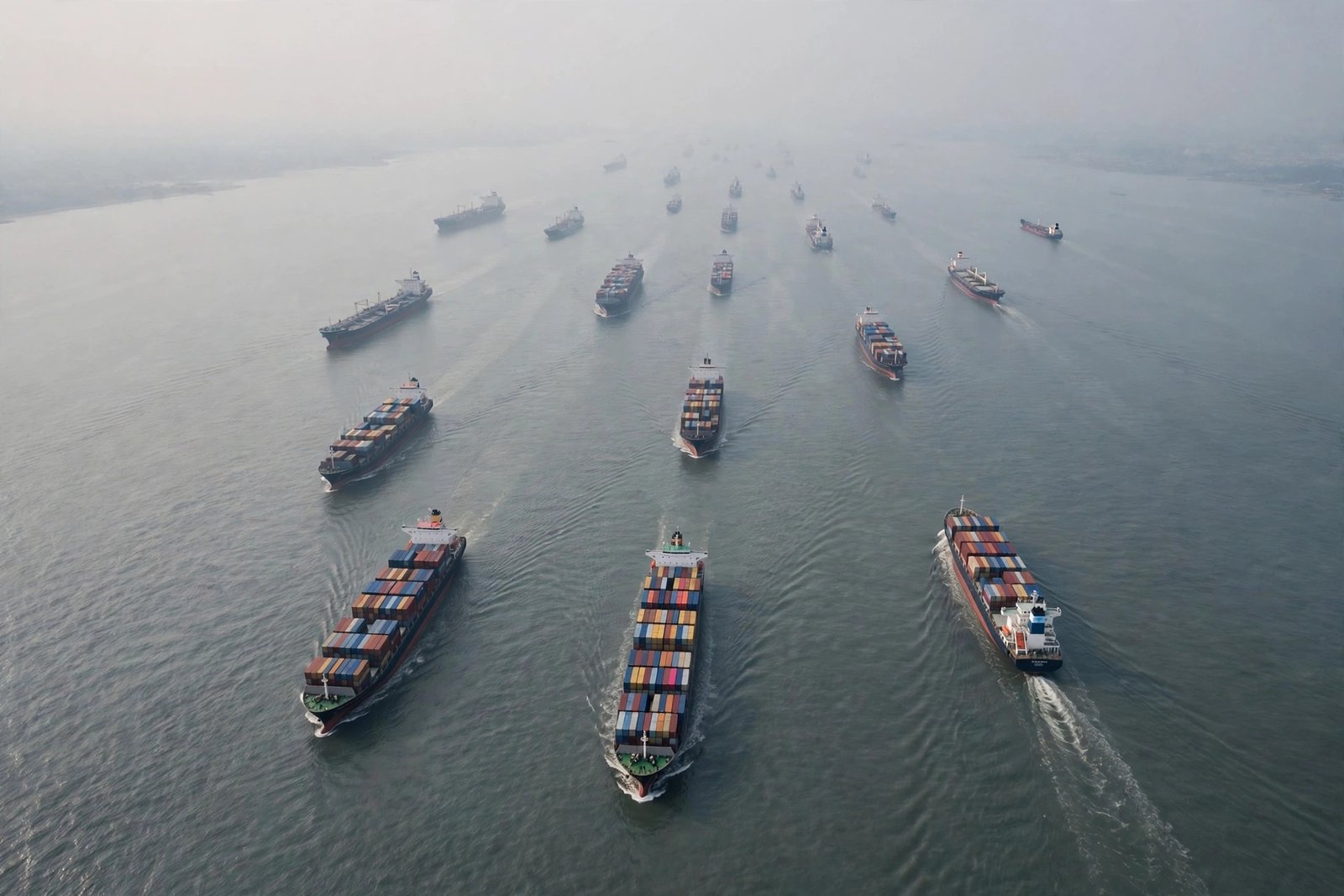


The United States carried out limited strikes on Iran’s Qeshm Island in the Strait of Hormuz on Monday, November 2, 2026, according to reports citing United States officials, in the latest sign that the eight-month conflict between Washington and Tehran remains far from settled even as diplomatic contacts continue.

The Wall Street Journal first reported the strikes, citing US officials, and a US official later confirmed to Reuters that strikes had taken place, describing them as limited and saying they did not mark a resumption of major combat operations. The US Central Command did not immediately respond to a request for comment, according to Reuters. Iranian state media outlet IRNA had earlier reported several explosions on Qeshm Island, which sits in the Strait of Hormuz, the narrow waterway through which a large share of the world’s traded oil and gas has historically passed.
What officials have said about the strikes
According to the reports, some US officials described the strikes as defensive in nature, aimed at preventing Iran from having the freedom to attack commercial shipping in the Strait of Hormuz. That framing matters, because it presents the action as a limited measure rather than the start of a renewed large-scale campaign. Other officials cited in the reporting said the strikes had been carried out on a smaller scale in recent weeks and deliberately kept secret, so as not to signal an intent to resume major military operations against Iran.
Washington and Tehran have been at war since late February 2026, according to Reuters, and the conflict has already sharply reduced traffic through the Strait of Hormuz. Before the war, the strait carried about a fifth of global crude oil and natural gas supplies, Reuters reported, which is why even limited incidents there tend to move energy markets quickly.
The timing of the latest strikes added to the uncertainty. They came on the eve of the US midterm elections on November 3, and just a day after Iran had signalled openness to peace talks. On Monday, US President Donald Trump raised doubts about whether he would follow through on a threatened resumption of strikes against Iran, and said a deal with Tehran could still happen, according to Reuters.
Tehran, for its part, said on Monday that contacts between Iran and the United States to end the war were continuing, after days of Iranian talks with Qatari mediators ended with altered proposals but no breakthrough, Reuters reported. That combination — strikes on the ground and talks in the background — has become a recurring pattern in this conflict, and analysts will be watching closely to see which track dominates in the days after the US election.
Markets react as oil prices rebound
Energy markets reacted quickly to the reports. Brent crude futures rose in early Asian trade on Tuesday, gaining 48 cents, or 0.5 percent, to $105.25 a barrel by 0104 GMT, while US West Texas Intermediate crude rose 47 cents, or 0.5 percent, to $96.93 a barrel, according to Reuters. The rebound followed a sharp fall on Monday, when Brent settled $8.66, or 7.63 percent, lower at $104.77 a barrel as hopes for a diplomatic breakthrough lifted sentiment.
European stocks were also under pressure. Futures tracking the pan-European STOXX 600 index slipped more than 1 percent in early trade on Tuesday, with contracts tracking Germany’s DAX and Spain’s IBEX also lower, according to Reuters, as investors weighed the risk that renewed tensions could keep oil prices elevated and complicate the outlook for inflation and interest rates.
The market reaction underlines a wider point: the Strait of Hormuz is not only a military flashpoint but also a chokepoint for the global economy. Disruption there, or even the fear of disruption, can feed through to fuel prices and shipping costs far beyond the Gulf region.
A conflict with regional spillover
The war has already had wider regional effects. Reuters reported on Tuesday that Yemen’s Iran-aligned Houthis said on Monday they had launched drones towards targets in Saudi Arabia, including Dammam airport and sites in Jizan. Those claims, attributed to the Houthis, could not be independently verified in the same report, and they illustrate how the conflict touches several countries at once.
Saudi energy giant Aramco said on Tuesday that its net profit rose 34.5 percent despite attacks targeting the company, according to Reuters, while its chief executive said the company was exploring additional export routes and overseas capacity. The United Arab Emirates’ energy minister said on Monday that the country would protect its energy infrastructure and invest in new export routes, overseas storage and shipping fleets to be better prepared amid the war, Reuters reported.
Those steps point to a longer-term adjustment already under way in the Gulf: producers and shippers are looking for ways to reduce their dependence on a single waterway, even as they hope for a diplomatic settlement that would restore normal transit.
Why Qeshm Island matters
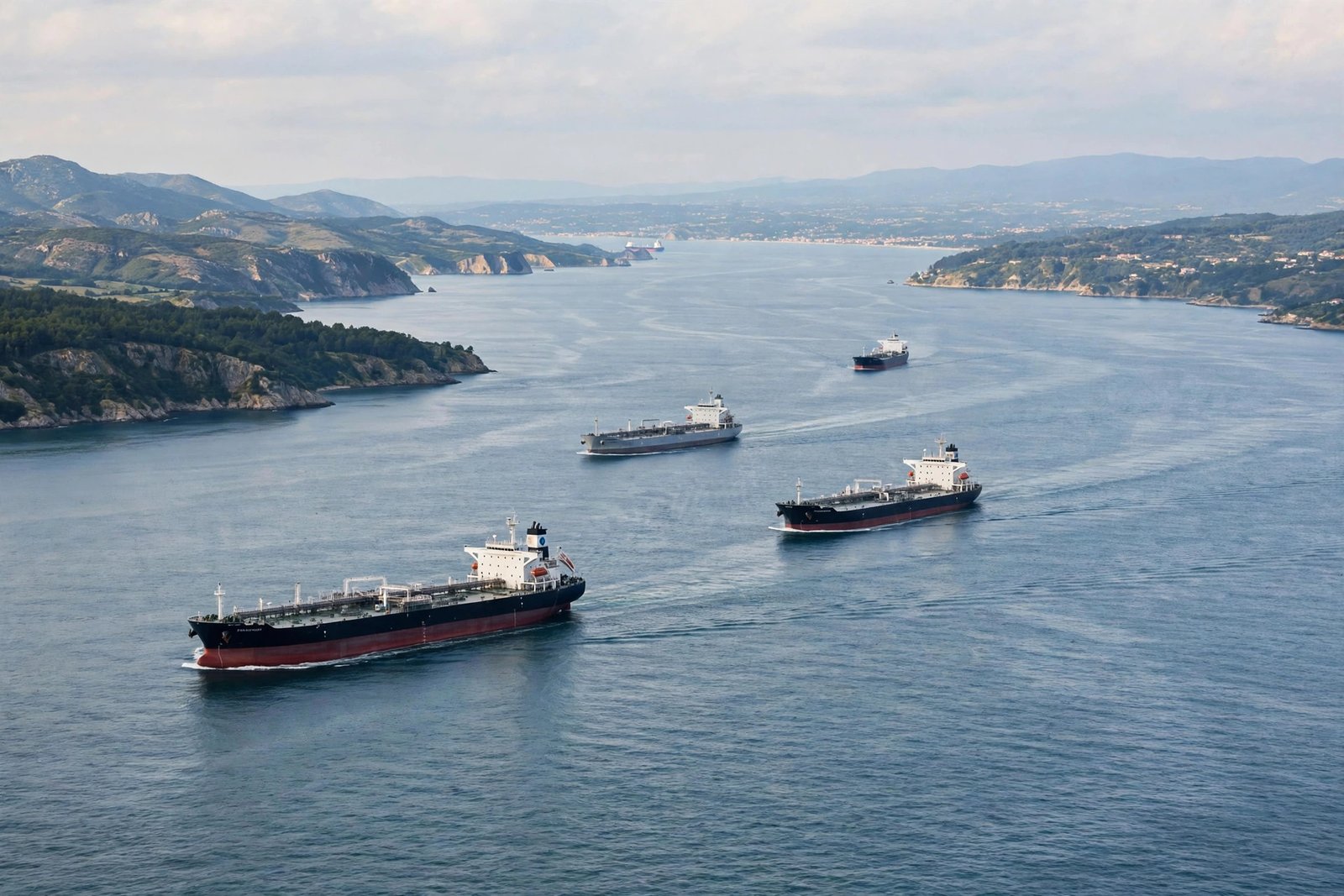
Qeshm Island is the largest island in the Gulf and sits at the entrance to the Strait of Hormuz, close to the Iranian mainland. Its position makes it strategically important for anyone concerned with shipping through the strait, and it has been mentioned repeatedly in reporting on the conflict’s maritime dimension.
The latest strikes were described as limited, but their location is part of why they drew attention. An incident in or near the strait raises immediate questions about the safety of commercial vessels, insurance costs for shipping, and the willingness of tanker operators to use the route. Even when traffic continues, higher risk perceptions can push up freight and insurance costs, which eventually feed into fuel prices for consumers.
At the same time, the fact that both sides have continued to talk — through Qatari mediators and, according to Reuters, directly in contacts described by Tehran — suggests that neither side has closed the door to a negotiated end to the war. The challenge, as in earlier rounds, is that military incidents and diplomatic efforts are happening in parallel, and each new incident makes the diplomatic track harder to sustain.
What happens next
In the short term, attention will turn to three things: whether either side confirms further details about the Qeshm strikes, whether shipping through the Strait of Hormuz is disrupted in practice or only in market sentiment, and whether the talks described by Tehran and reported by Reuters produce a concrete proposal in the days after the US midterm elections.
President Trump’s comments on Monday — raising doubts about a threatened resumption of strikes while also saying a deal could happen — leave considerable uncertainty about Washington’s next step. For now, officials have characterised the Qeshm action as limited and defensive, but that characterisation will be tested by what happens next on the water and at the negotiating table.
For markets and for countries that depend on Gulf energy supplies, the immediate question is simpler: will oil prices stabilise around current levels, or will further incidents push them higher and revive inflation concerns that central banks have been trying to bring under control? The answer will depend less on any single strike than on whether the parallel tracks of limited military action and continued diplomacy can be kept apart — or whether one overtakes the other.
Sources: Reuters; The Wall Street Journal, as reported by Reuters; IRNA, as reported by Reuters.