
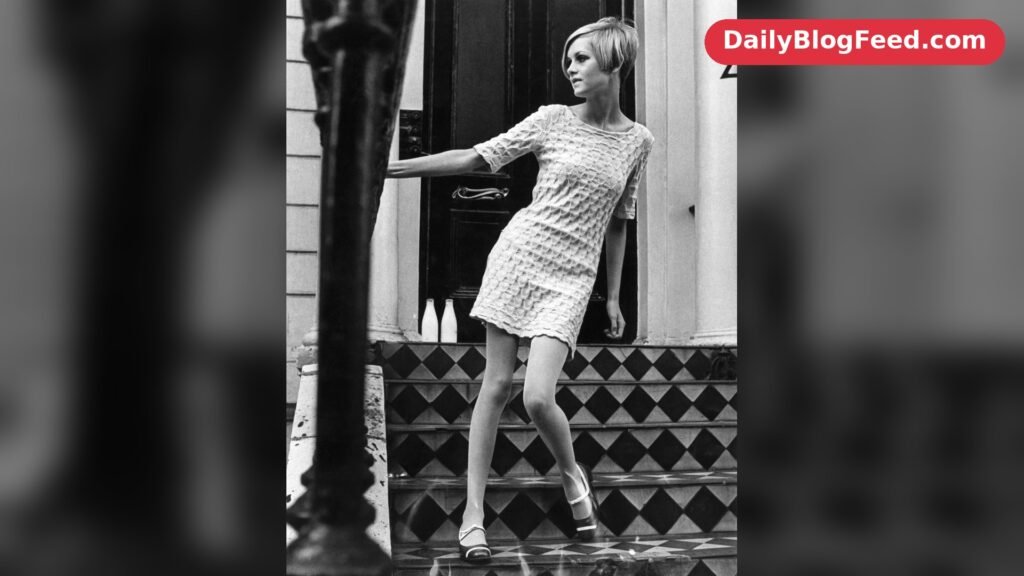

When people picture the swinging sixties, they often picture Twiggy. She had huge eyes, long lashes, a short haircut, and a slim figure that broke every rule of glamour that had come before. She was not a distant movie star. She looked like a girl you might see on a London street, and that was exactly the point. Fashion had found a new kind of star, and her face was everywhere.
Yet Twiggy, born Lesley Hornby, was never only a model. She sang, she acted, she won awards, and she reinvented herself again and again. She went from teenage sensation to stage actress, from television presenter to judge on a major reality show. Her career has lasted more than six decades, which is far longer than anyone expected when she first appeared in magazines in the mid-1960s.
Quick Facts
| Fact | Detail |
|---|---|
| Full name | Lesley Lawson, born Lesley Hornby |
| Known as | Twiggy |
| Born | 19 September 1949, London, England |
| Age | 77 in 2026 |
| Profession | Model, actress, singer, television presenter |
| Known for | 1960s supermodel, “the face of 1966” |
| Award | Golden Globe, Most Promising Newcomer, for The Boy Friend (1971) |
| First husband | Michael Witney, 1977–1983 |
| Current husband | Leigh Lawson, married 1988 |
| Daughter | Carly Witney |
A London Girl With an Unlikely Start
Lesley Hornby was born in London on 19 September 1949. She grew up in Neasden, in northwest London, in a working-class family. As a teenager she was small, slim, and, by her own later account, not the kind of girl who expected to become a model. The fashion world of the early 1960s still favored tall, curvy women with polished, adult glamour.
Her break came almost by accident. At sixteen, she had her hair cut short by a fashionable London hairdresser, Leonard, and photographs of the new look appeared in newspapers. The pictures caught the eye of fashion journalists, who were looking for something fresh. Soon she was being photographed for magazines, and her nickname, Twiggy, taken from her slim build, stuck.
It is worth pausing on how unusual this was. She had no famous family, no acting school background, and no long modeling training. She had a distinctive look, a natural ease in front of the camera, and a moment in history that was ready for her. London in the mid-1960s was becoming the center of youth culture, with new music, new clothes, and new attitudes. Twiggy became its visual symbol almost overnight.
The Face of 1966
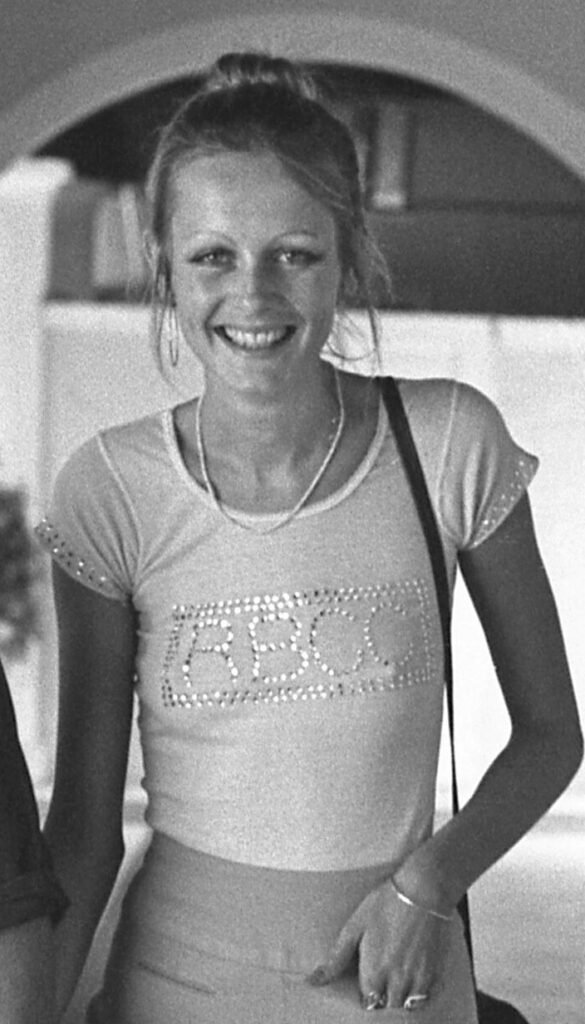
In 1966, Twiggy was named “the face of 1966” by the Daily Express, a label that followed her for the rest of her life. She appeared on magazine covers in Britain and the United States, including Vogue. Her look was copied by young women everywhere: the short hair, the false eyelashes painted on the lower lid, the pale lips, and the mini dresses.
Her influence went beyond clothes. She represented a shift in who could be beautiful and how beauty could look. Earlier glamour had often felt formal and remote. Twiggy’s image felt youthful, playful, and modern. She smiled in photographs. She looked like she was having fun. That warmth helped her cross over from fashion pages into popular culture in a way few models had before.
She also became a commercial success, lending her name to products and appearing in advertisements. At a time when models were often anonymous faces, Twiggy was a personality. People knew her name, recognized her instantly, and followed her career as if she were a pop star. In many ways, she was one of the first true supermodels, even though that word came into wider use later.
Her style still invites comparison with older icons. Cary Grant, for example, remains an enduring style icon from an earlier era of screen glamour, and Twiggy’s fame shows how style icons changed as youth culture took over. Grant’s elegance was tailored and formal. Twiggy’s was mini-skirted, graphic, and deliberately young. Both, in their own eras, defined what looked modern.
From the Catwalk to the Stage and Screen
Twiggy knew that modeling fame could be brief. She moved into acting and singing while she was still famous, rather than waiting for fashion to move on. Her film debut in The Boy Friend, released in 1971, was a turning point. She played Polly Browne in Ken Russell’s adaptation of the musical, and her performance won her the Golden Globe for Most Promising Newcomer. She also received a second Golden Globe nomination for the same role, which underlined how seriously critics took her.
She continued to act on stage and screen through the 1970s and 1980s. She appeared in films, television shows, and theatre productions, including work on Broadway. She was not always cast in glamorous roles, and that was deliberate. She wanted to be seen as a performer, not only as a former model. Some projects succeeded more than others, but she kept working, which is itself a sign of how seriously she took the change.
Her singing career ran alongside her acting. She released albums, performed in musical theatre, and recorded songs that suited her light, clear voice. She was never trying to be a rock star. Her strength was in musical theatre and in songs that allowed her personality to come through. Audiences who had first known her from photographs now heard her sing and speak, and many stayed with her.
There is also a youth-culture link that helps explain her impact. James Dean had become a youth-culture icon of an earlier era, a symbol of teenage feeling in the 1950s, and Twiggy became a comparable symbol for the 1960s, though in a brighter, more playful register. Dean’s image was brooding and tragic. Twiggy’s was joyful and forward-looking. Together they show how each generation finds its own face.
Reinvention on Television
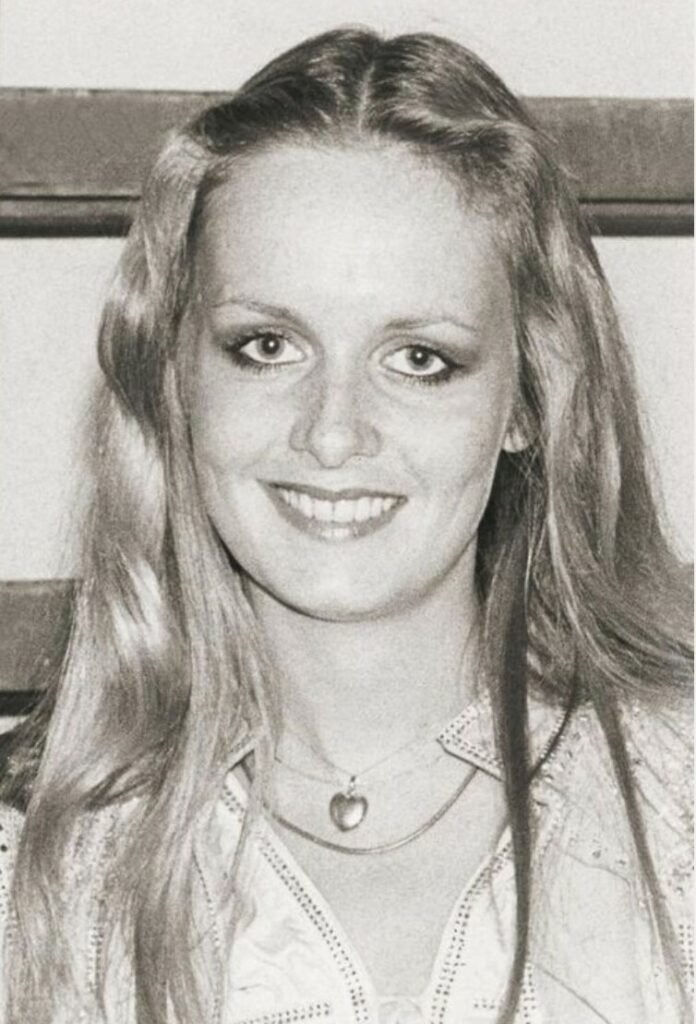
By the 2000s, Twiggy had reinvented herself again, this time on television. She became a judge on America’s Next Top Model, the American reality competition created by Tyra Banks. Her role gave her a new audience, especially among younger viewers who knew her mainly as a fashion legend. She brought experience, warmth, and a direct manner to the panel.
Her time on the show was not without discussion, as reality judging always is, but it confirmed her status as someone whose opinion still mattered in fashion. She was not there as a nostalgic guest. She was there as a working professional who had lived through the changes she was judging. That credibility is rare, and it helped the show as much as it helped her.
She has also presented television programs, appeared in documentaries about the 1960s, and continued to model occasionally for special projects. She published books, including memoirs, and she has spoken openly about aging in an industry that often hides it. Her later career has been quieter than her teenage fame, but it has been steady, varied, and on her own terms.
That long arc also shows a break with older Hollywood glamour. Clark Gable represented classic Hollywood glamour that Twiggy’s look both echoed and broke from, because she kept the star quality while rejecting the formal, adult polish of his era. Gable’s world was studio-controlled and grand. Twiggy’s was street-level, youthful, and immediate. She did not replace that older glamour so much as she offered an alternative to it.
Personal Life and Family
Twiggy married actor Michael Witney in 1977. They had a daughter, Carly, born in 1978. Witney died in 1983, a loss that Twiggy has spoken about with great sadness in later interviews. She raised Carly as a single mother for a time, balancing work with family life in a way that many working mothers will recognize.
In 1988, she married actor and director Leigh Lawson. Their marriage has lasted for decades, and Lawson has also worked with her on stage projects. The couple have lived mainly in England, and Twiggy has often described Lawson as a steady, supportive partner. Carly, meanwhile, has pursued her own career and has appeared with her mother in public projects.
Twiggy has also been open about health and aging. She has talked about the pressures of being judged for appearance from a very young age, and about learning to accept change. That honesty has made her later interviews appealing. She does not pretend that fame was always easy, nor does she present her life as a simple success story. She presents it as a long working life, with good years and hard ones.
Net Worth
Celebrity Net Worth has estimated Twiggy’s net worth at around $50 million, a figure that is widely repeated online. That estimate is based on a long career across modeling, acting, singing, television, books, and endorsements. As with most celebrity wealth estimates, it should be treated as an approximation rather than a confirmed financial disclosure, because private assets and contracts are not fully public.
Other outlets have reported figures in a broadly similar range, though exact totals differ. What is clear is that her wealth was built over many decades, not from a single peak. Her early modeling success was followed by steady work in theatre, television, and publishing. She also benefited from the lasting commercial value of her image, which remains recognizable more than half a century after her breakthrough.
Lesser-Known Facts
- Twiggy’s nickname came from her school days and her slim figure, and she initially disliked how widely it was used.
- She was only sixteen when her famous haircut photographs first brought her to public attention.
- She has said she never set out to be a model and was surprised by how quickly her career took off.
- Twiggy was awarded a damehood in 2019, becoming Dame Twiggy Lawson, for services to fashion, the arts, and charity.
- She has supported charities related to breast cancer research and animal welfare, among other causes.
- She once worked as a shop assistant before modeling, a reminder of how ordinary her London teenage life had been.
Frequently Asked Questions
How old is Twiggy?
Twiggy was born on 19 September 1949, which makes her 77 years old in 2026. She remains active in public life, including appearances, interviews, and occasional fashion projects.
Who is Twiggy’s husband?
Twiggy’s husband is Leigh Lawson, an actor and director. They married in 1988 and have been together for decades. Her first husband was actor Michael Witney, who died in 1983.
Does Twiggy have children?
Yes, Twiggy has one daughter, Carly Witney, born in 1978 during her marriage to Michael Witney. Carly has pursued her own career and has sometimes worked alongside her mother.
What was Twiggy famous for?
Twiggy was famous as the leading model of the 1960s and was called “the face of 1966.” She became a symbol of London youth culture, known for her short hair, large eyes, and mini-dress style, and she later became a successful actress and television presenter.
Did Twiggy win any major awards?
Yes, Twiggy won the Golden Globe for Most Promising Newcomer for her film role in The Boy Friend in 1971. She was also nominated for a second Golden Globe for the same performance, in the Best Actress category for a musical or comedy.
What is Twiggy’s net worth?
Celebrity Net Worth has estimated Twiggy’s net worth at around $50 million. That figure is an estimate based on her long career in modeling, acting, television, and endorsements, not a confirmed public financial statement.
Conclusion
Twiggy’s story is not only about a look. It is about a teenager from Neasden who became the face of a decade, and then refused to let that decade define the rest of her life. She acted, she sang, she judged, she wrote, and she kept working while fashion moved on to new faces. Her image still appears in histories of the 1960s, but her career is longer than any single photograph. That is the real achievement: not becoming famous young, but staying interesting long after youth itself had passed.