
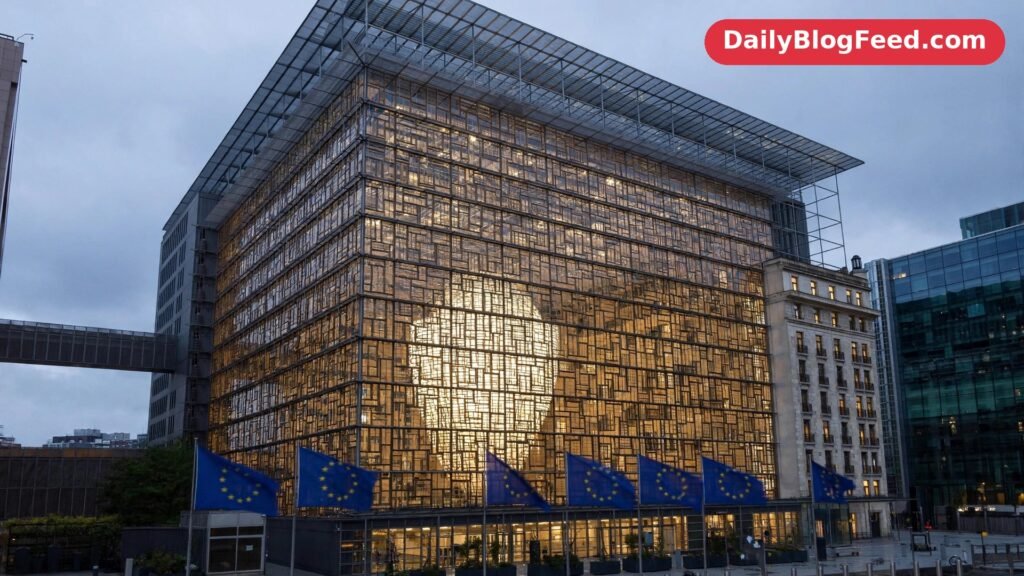

European leaders came to Brussels to settle two big money questions. They left with neither answered.
After more than 12 hours of talks on Thursday, the special EU summit broke up a day early and Friday’s session was cancelled. The 27 leaders couldn’t agree on the bloc’s next seven-year budget, or close the deal on a €45 billion loan for Ukraine in 2027. They’ll try again on 17–18 December — and the clock is ticking, because several leaders say a deal has to land before the year ends.
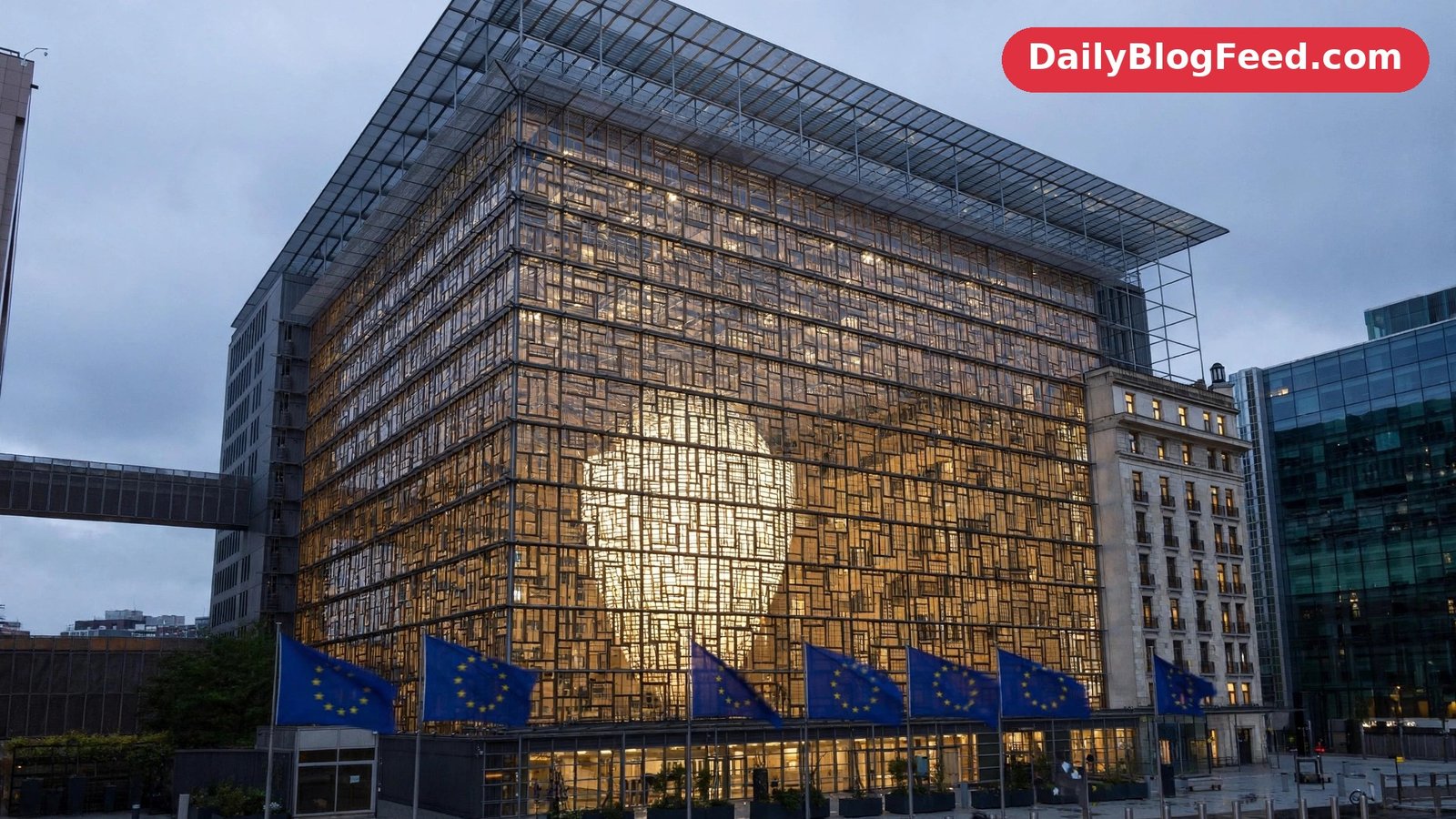
A summit that ended a day early
The meeting was supposed to run into Friday. It didn’t.
European Council President António Costa had arranged the summit to tackle both files together: how much the EU spends from 2028 to 2034, and how to fund Ukraine next year. Instead, after a long Thursday of plenary sessions and small-group huddles, leaders went home with both still open.
Costa played the outcome down in public, telling reporters that 24 of the 27 member states backed the Commission’s proposal for an extra loan to Ukraine, with details to be worked out in December. But the numbers tell a sharper story: 24 in favour isn’t 27, and on a budget that needs every single government to say yes, even one holdout is enough to stop the whole thing.
German Chancellor Friedrich Merz was blunter. He wants an agreement before the end of the year, and he made a point in Brussels that the bill has to be shared: “The European Union is twenty-seven states, not twenty-three or twenty-four,” he said — a line aimed at the governments that want the loan without paying into it.
The €45 billion question
Here’s what the loan is actually for. Ukraine faces an estimated €70 billion financing gap in 2027, after counting the €90 billion EU loan already agreed for 2026 and 2027. The Commission’s proposal, put forward on 18 November, would lend Kyiv a further €45 billion next year — up to €25 billion for military aid and up to €20 billion to keep the state budget running. The money would come from joint EU borrowing, backed by the EU budget, and Kyiv would only repay the principal once Russia pays war reparations. Even so, the loan covers roughly two-thirds of the gap: Ukraine would still need about €25 billion from other partners.
European Commission President Ursula von der Leyen framed the loan as a matter of leverage: Ukraine needs the means to negotiate from a position of strength. The money isn’t just about keeping the lights on in Kyiv — it’s about what happens at any future negotiating table.
The cash, for now, keeps flowing under existing deals: on 20 November, the Commission paid out €7.9 billion under the Ukraine Facility after judging that Kyiv had completed the reforms due for review. That payment was already authorised. The 2027 shortfall still needs a fresh political decision.

Three countries said no — and one wants limits
Not everyone is on board. Hungary, Slovakia and the Czech Republic declined to take part in the new loan, just as they did with the earlier €90 billion arrangement. Bulgaria backed further lending but wants its share spent on civilian needs only.
Hungary’s position was spelled out two days before the summit. Prime Minister Péter Magyar met President Volodymyr Zelensky in Transcarpathia, where the two governments agreed on gas and diesel supplies and access to Ukrainian gas storage. Then Magyar said plainly that each EU state should decide for itself how it helps Ukraine — and that financing talks should be kept separate from the budget fight.
That last point matters: Germany is pushing the opposite approach, linking access to EU budget money with backing for Kyiv. For the three holdouts, that’s exactly the linkage they don’t want.
There was one quiet concession from Budapest, though. On 20 November, Hungary lifted its veto on the remaining two groups of policy areas in Ukraine’s EU accession talks. The Commission now wants formal talks on both to open before the year ends.
The bigger budget fight
The loan is only half the argument. The other half is the EU’s next long-term budget, the 2028–2034 framework — the bigger, messier fight.
The Commission proposed a budget of nearly €2 trillion back in July 2025. On 21 November, Costa put forward a compromise of about €1.78 trillion, roughly 10 percent lower. It still wasn’t enough: seven countries pushing for a smaller budget walked out at one point, and the summit ended without agreement on the total size, the split between programmes, or new sources of revenue.
The draft sets aside up to €100 billion for Ukraine over the seven years, alongside about €740 billion for agriculture and poorer regions. But the framework needs unanimous approval from national governments plus the European Parliament’s consent, so a government happy to let its neighbours lend to Kyiv can still block a budget that commits its own taxpayers.
France adds its own deadline pressure. President Emmanuel Macron said that after 31 December, he would be too close to France’s presidential election to negotiate a settlement on France’s behalf. An OpinionWay poll put Marine Le Pen ahead in several possible runoffs — 59 percent to 41 against Édouard Philippe. Le Pen says she would honour France’s existing commitments and keep humanitarian aid and military training going, but her deputy campaign director told Le Monde that financial aid would end in 2028, including aid through the EU.
Germany has its own headwinds. A Körber Foundation survey found support for continuing arms deliveries to Ukraine had fallen from 59 percent to 46 percent in a year. A ZDF poll on Friday put the AfD — which opposes aid to Ukraine — at 28 percent, seven points ahead of Merz’s Christian Democrats.
Why December is the real deadline
Costa now has three weeks to produce a compromise before leaders meet again on 17–18 December — the last scheduled chance to close both negotiations on the terms Macron and Merz set in Brussels.
If December passes without a deal, leaders can still meet in March or call a special summit. But by then Ukraine will already be financing its 2027 budget, France will be deep in election campaigning, and Macron’s deadline will have passed.
What happens next
Three dates now matter most. The 17–18 December summit is the big one — both the loan and the budget are back on the table, and Costa has to bridge the gap between the seven budget hawks and the majority that wants the deal done. Then 31 December, Macron’s cutoff. And 1 January 2028, when the new budget is meant to take effect.
For Ukraine, the stakes are plain. The €45 billion loan would cover most of next year’s gap, but not all of it, and every week without a decision narrows Kyiv’s room to plan. For the EU, the summit exposed something bigger than a disagreement over numbers: a bloc that can’t agree on how to pay for its own priorities.
Leaders left Brussels saying they’d be back in three weeks. Whether December delivers what November couldn’t is the question hanging over the whole winter.
Sources: Kyiv Post, Reuters, BBC, Xinhua, DW, Associated Press. Related: Ukraine Sea Drones Sink Russian Warship Near Libya, Kyiv Says; US Proposes New Tariffs on 14 Trading Partners, China Faces 20 Percent